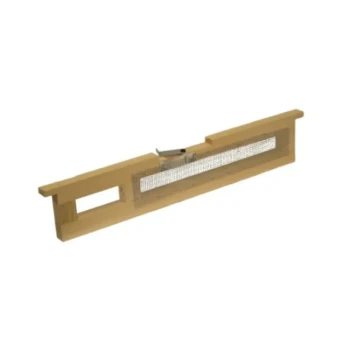
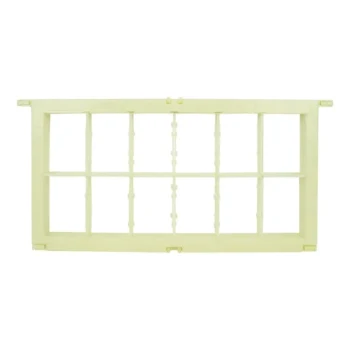
Resource scarcity often forces innovation, but not all substitutes are biologically viable. During World War II, aluminum frames featuring drawn aluminum cells were adopted because beeswax was heavily diverted for the war effort, making it unavailable for beekeepers. While these frames produced visually appealing comb, their major disadvantage was aluminum's high thermal conductivity, which caused rapid heat loss and proved detrimental to the bee cluster during the winter.
The shift to aluminum was a logistical success in solving a beeswax shortage, but a biological failure due to the metal's inability to retain the heat necessary for colony survival in cold weather.
The Driver for Innovation
To understand why the industry pivoted to metal, you must look at the supply chain constraints of the 1940s.
The Beeswax Shortage
During World War II, beeswax was considered a critical material for the military. Because it was required for the war effort, supplies for civilian agriculture were severely restricted.
The Aluminum Alternative
Faced with a lack of foundation material, manufacturers turned to aluminum. These frames were produced with drawn aluminum cells, attempting to mimic the structure of natural comb without using wax.
The Critical Flaw: Thermal Properties
While the aluminum frames were durable and structurally sound, they failed to account for the thermodynamics of the hive.
High Heat Transfer
The defining characteristic of aluminum is its high thermal conductivity. Unlike wax, which is an insulator, aluminum transfers heat energy rapidly.
Detrimental Winter Effects
In the winter, bees form a cluster to generate and conserve heat. The aluminum frames acted as a heat sink, pulling warmth away from the cluster. This rapid heat loss was detrimental to the bees, often leading to colony death in cold climates.
Understanding the Trade-offs
It is important to recognize that this failure was not immediately obvious based on visual inspection alone.
Aesthetic Success
The reference notes that the resulting comb on these frames looked beautiful. The bees accepted the structure enough to draw it out, creating a deceptive appearance of success.
Biological Failure
Despite the visual appeal, the material properties were incompatible with bee biology. The trade-off for durability and availability was the thermal regulation of the hive, a price that proved too high during winter months.
Lessons on Material Selection
While this is a historical example, the principles apply to selecting hive components today.
- If you are evaluating hive materials: Prioritize insulation over durability; materials that conduct heat too quickly can compromise the colony's ability to thermoregulate.
- If you are studying beekeeping history: Recognize that material changes are often driven by economic scarcity rather than biological optimization.
Understanding the thermal properties of your equipment is just as critical as the design of the equipment itself.
Summary Table:
| Feature | WWII Aluminum Frames | Natural Wax/Modern Frames |
|---|---|---|
| Primary Driver | War-time resource scarcity | Biological optimization |
| Visual Quality | Excellent (Beautiful comb) | Variable to Excellent |
| Durability | High (Metal construction) | Moderate |
| Thermal Conductivity | Extremely High (Heat sink) | Low (Natural insulator) |
| Winter Survival | Poor (Detrimental heat loss) | High (Maintains hive warmth) |
Maximize Your Apiary's Survival with HONESTBEE
History proves that the wrong equipment can be detrimental to your colony's health. At HONESTBEE, we specialize in providing commercial apiaries and distributors with biologically optimized beekeeping solutions that balance durability with thermal efficiency.
Whether you need specialized hive-making machinery, honey-filling equipment, or a full spectrum of wholesale beekeeping tools and consumables, our products are designed for professional success.
Don't let poor material selection compromise your yield. Contact us today to explore our comprehensive wholesale catalog and see how we can support your business growth.
Related Products
- Assembled Wooden Bee Frames with Plastic Foundation for Durability and Convenience by HONESTBEE
- Wooden Bee Hive Frames for Beekeeping and Wholesale
- Heavy-Duty Stainless Steel Clip-On Frame Perch
- Plastic Bee Frame Beekeeping Hive Frames for Wholesale
- Professional Galvanized Steel Frame Rest for Beehives
People Also Ask
- When should frames with new foundation be given to colonies? Master Timing for a Thriving Hive
- How do you re-wax bee frames? A Simple Guide to Faster Comb Building
- What types of bee frames can be cleaned and returned to service? A Guide to Safe Apiary Refurbishment
- Can beekeepers switch between wooden and plastic frames? Optimize Your Hive's Performance
- Do you have to wire bee frames? Essential Guide to Frame Strength & Honey Harvesting