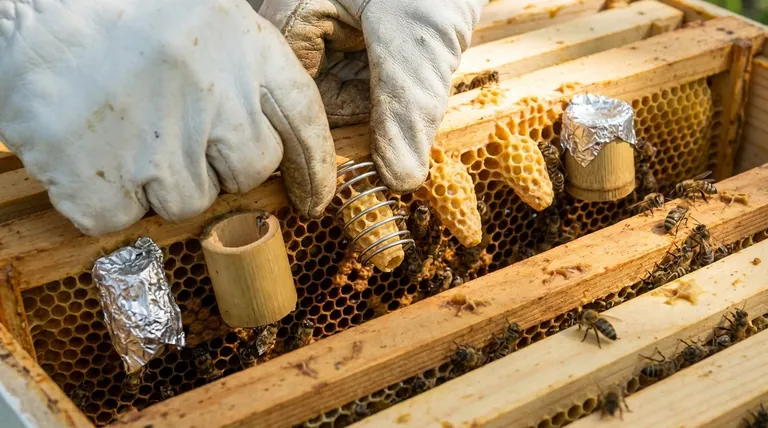
Protecting queen cells is critical for maintaining hive health and ensuring successful brood production. This guide explores the most effective, context-specific protection methods—from physical barriers to seasonal considerations—with actionable implementation steps tailored to your apiary’s needs.
Understanding Queen Cell Threats
Queen cells face destruction from worker bees, environmental stressors, and invasive species. Addressing these threats requires understanding their root causes.
The Biology Behind Bee-Driven Destruction
Worker bees may eliminate queen cells to assert colony hierarchy or due to perceived defects. Research suggests this behavior peaks in overcrowded hives or when multiple queen cells compete.
Seasonal and Hive Behavior Triggers
- Spring Swarms: Increased swarming raises the risk of queen cell damage as colonies prepare to split.
- Africanized Bee Incursions: Aggressive strains target queen cells during hive takeovers.
- Humid Climates: Moisture buildup weakens cell walls, attracting mold and pests.
Practical Tip: Monitor hive activity weekly during peak seasons to preempt threats.
Physical Barrier Solutions
Select barriers based on durability, cost, and hive conditions.
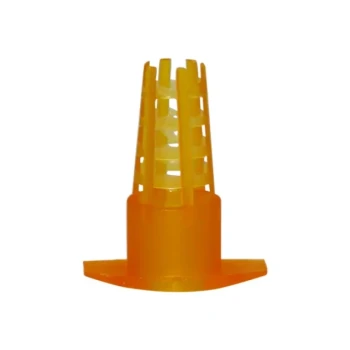
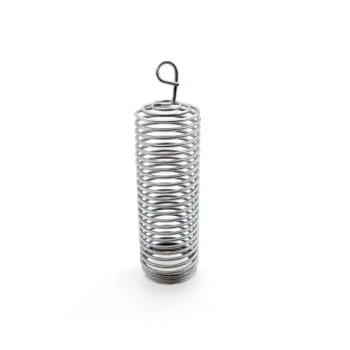
Spiral Wire Protectors: Durability in Swarm-Prone Colonies
- Best For: Large apiaries with frequent swarming.
- Pros: Reusable; withstands worker bee chewing.
- Cons: Requires precise alignment during installation.
Perret-Maisonneuve Cups: Precision for Controlled Breeding
- Best For: Commercial breeders prioritizing genetic selection.
- Pros: Allows controlled cell development; reduces accidental damage.
- Cons: Higher cost; less effective in humid environments.
Aluminium Foil Wrapping: Low-Cost Emergency Protection
- Best For: Temporary protection during emergencies (e.g., sudden temperature drops).
- Pros: Readily available; minimal setup time.
- Cons: Poor ventilation risks overheating.
Bamboo Protectors: Eco-Friendly Ventilation Trade-offs
- Best For: Sustainable apiaries in moderate climates.
- Pros: Biodegradable; promotes airflow.
- Cons: Less durable against persistent pests.
Did You Know? Bamboo’s natural antimicrobial properties can reduce fungal risks.
Implementation and Troubleshooting
Step-by-Step Installation for Langstroth Hives
- Inspect Cells: Remove damaged or malformed cells before protection.
- Align Barriers: Ensure spacers don’t crush adjacent comb.
- Secure Anchors: Use non-toxic adhesives for foil or bamboo.
Preventing Moisture Buildup in Humid Climates
- Ventilation: Add screened inner covers to bamboo-protected hives.
- Absorbent Materials: Place food-grade desiccants near protected cells.
Case Study: Protecting Cells During Africanized Bee Incursions
A Florida apiary reduced queen cell losses by over 70% after combining spiral wire protectors with entrance reducers to limit invasive bee access.
Ready to Safeguard Your Queen Cells?
HONESTBEE equips commercial apiaries and distributors with durable, hive-tested protection tools—from spiral wires to bamboo solutions. Ensure your queens thrive with supplies designed for real-world beekeeping challenges.
Final Thought: The right protection method blends science with your hive’s unique needs—like choosing armor tailored for battle conditions.
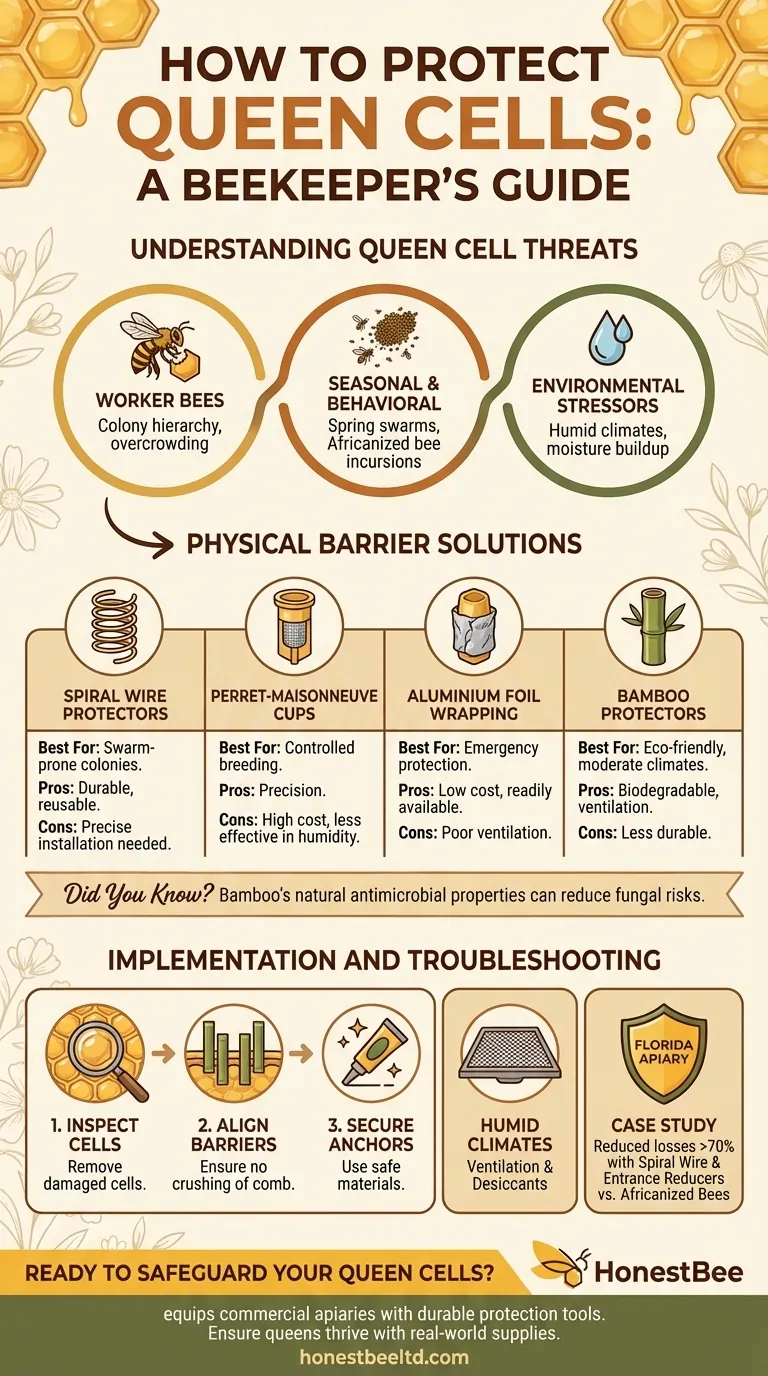
Visual Guide
Related Products
- JZBZ Style Shipping Cell Protector for Queen Rearing Kit
- JZBZ Style Push-In Cell Protector for Professional Queen Rearing Kits
- Premium Nicot Style Cell Bar Holder and Queen Cell Cup Holder System
- JZBZ Langstroth Queen Rearing Frame for Beekeeping
- Portable Queen Bee Incubator with 12V Car Adapter for Safe Transport
Related Articles
- How to Replace Queen Cells in Nucleus Hives Without Triggering Bee Drifting
- How to Successfully Introduce Queen Cells to Beehives: A Beekeeper’s Guide
- Anatomy of a Decision: How a Bee Colony Commits to Swarming
- The Queen's Serial Number: A Data-Driven Approach to Apiary Excellence
- How to Choose the Best Queen Excluder: Balancing Durability, Cost, and Bee Welfare