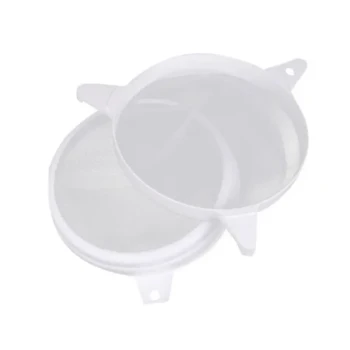
Industrial-grade honey filtering and sorting systems enhance market competitiveness by effectively removing physical impurities and wax debris while rigorously preserving the honey's natural nutrient profile and flavor. By elevating the product's color, transparency, and purity to meet top-tier international standards, these systems enable producers to bypass commodity markets and enter high-end retail channels where they can command significantly higher economic returns.
These systems function as a bridge between raw agricultural output and premium commercial products, ensuring the consistency, stability, and visual appeal required to secure global certifications and consumer trust.
Elevating Sensory Quality and Visual Appeal
Enhancing Clarity and Transparency
Consumer perception of quality is heavily influenced by visual aesthetics. Industrial filtration utilizes physical screening to remove fine particles, pollen grains, and suspended air bubbles. This results in a product with superior clarity and transparency that aligns with consumer preferences for "clean" looking honey.
Eliminating Visual Defects
Unprocessed honey often contains wax debris or sediment that can be mistaken for spoilage or low quality. High-precision sorting removes these visual defects. This ensures the final product looks pristine on the shelf, distinguishing it from lower-grade alternatives.
Ensuring Consistent Coloration
Retailers and wholesalers demand uniformity across large batches. Industrial sorting systems standardize the color profile of the honey. This consistency is essential for building brand recognition and trust among repeat buyers.
Securing Product Stability and Safety
Preventing Spoilage via Moisture Control
Competitiveness is not just about looks; it is about shelf life. Industrial processing integrates dehydration mechanisms to precisely control moisture content. This mechanical treatment effectively prevents fermentation, ensuring the honey remains stable during long storage periods or export shipping.
Maintaining Hygiene Standards
Advanced processing equipment, typically constructed from stainless steel, prevents secondary contamination. This hygienic design is critical for meeting food safety regulations. It ensures the product is safe for consumption, protecting the producer from liability and reputational damage.
Preserving Nutritional Integrity
While filtration is aggressive against dirt, modern systems are designed to be gentle on the honey itself. They use technologies like vacuum dehydration to adjust moisture without excessive heat. This preserves the natural active enzymes and nutrients that health-conscious consumers are willing to pay a premium for.
Understanding the Trade-offs
The Risk of Over-Filtration
While clarity is a competitive advantage in mass markets, excessive filtration can remove pollen entirely. Pollen is often used to verify the botanical and geographical origin of honey. Removing it may make it difficult to prove the honey's source, potentially barring entry into niche "single-origin" markets.
Thermal Processing Limitations
Industrial systems often use heat to facilitate filtration and prevent crystallization. However, imprecise temperature control can damage heat-sensitive enzymes and volatile aroma compounds. Producers must balance the need for flow efficiency with the risk of degrading the flavor profile that defines premium honey.
Making the Right Choice for Your Goal
To maximize competitiveness, you must align your processing capabilities with your target market segment.
- If your primary focus is Mass Retail and Supermarkets: Prioritize high-precision filtration and moisture control to ensure maximum clarity, preventing crystallization and fermentation on the shelf.
- If your primary focus is the Organic or "Raw" Market: Focus on systems that offer minimal thermal processing and coarser filtration to preserve pollen traces and enzymatic activity for organic certification.
- If your primary focus is Exporting to Global Markets: Invest in equipment that ensures batch-to-batch consistency and hygiene compliance to meet rigorous international food safety standards.
True competitiveness is achieved not just by cleaning the honey, but by refining it to the exact specifications of your most profitable customer.
Summary Table:
| Competitive Factor | Benefit of Industrial Processing | Market Impact |
|---|---|---|
| Visual Clarity | Removes wax debris, bubbles, and fine particles | Enhances consumer trust and shelf appeal |
| Product Stability | Precise moisture control via vacuum dehydration | Prevents fermentation and extends shelf life |
| Consistency | Standardizes color and texture across batches | Builds brand recognition for wholesale/retail |
| Food Safety | Hygienic stainless steel prevents contamination | Ensures compliance with global export standards |
| Nutrient Profile | Low-heat processing preserves natural enzymes | Commands premium pricing in health-conscious sectors |
Scale Your Honey Business with HONESTBEE
Are you ready to transform your raw harvest into a globally competitive, premium honey brand? HONESTBEE is the dedicated partner for commercial apiaries and distributors seeking to dominate the market.
We provide a complete suite of professional solutions, from high-precision honey-filling machines and industrial-grade filtration systems to specialized hive-making machinery and essential industry consumables. Whether you are looking to optimize your production line for mass retail or preserve the delicate integrity of raw organic honey, our equipment ensures you meet the highest international standards.
Maximize your economic returns and secure your supply chain today.
References
- Francisco J. Güemes-Ricalde, Juan Manuel Pat–Fernández. Production Costs Of Conventional And Organic Honey In The Yucatán Peninsula Of Mexico. DOI: 10.1080/00218839.2006.11101327
This article is also based on technical information from HonestBee Knowledge Base .
Related Products
- Electric Double Wall Honey Filtering Machine Purifier Equipment for Honey Processing Plant
- Honey Concentrating and Filtering Dehumidifier Machine 2T Capacity for Honey
- Professional Stainless Steel Honey Filtering Machine with Water Bath Heating for Beekeeping
- Professional Stainless Steel Honey Filter with Support Handle
- Automatic Honey Filling and Filtering Machine for Beekeeping Bottle Filling
People Also Ask
- How should extracted honey be filtered and stored? A Guide to Preserving Quality and Purity
- Why is it important to inspect and replace filters in honey filtering equipment? Protect Your Honey Quality & Equipment
- What is a potential concern associated with filtering honey? Balancing Clarity and Pollen Preservation
- What are the benefits of drying honey filtering equipment after use? Protect Your Honey Quality & Equipment Investment
- What steps are involved in maintaining honey filtering equipment? A Guide to Protecting Your Honey Quality