The technical advantage of using color-coded identification on beehive frames is the establishment of a rigorous, repeatable baseline for longitudinal data collection. By applying distinctive color markings or numbers to specific frames, technicians can precisely track the health status of individual brood combs across multiple inspection intervals, rather than relying on aggregate hive data. This method ensures that every side of every frame is accounted for during standard 14-day check cycles, eliminating the variables of frame rotation or technician error.
By transforming a hive from a collection of interchangeable parts into a set of individually trackable units, color-coding safeguards the temporal accuracy of disease monitoring data.
The Mechanics of Precision Tracking
Individual Comb Identification
In a standard apiary, frames are often shifted or rotated during inspections. Without identification, specific history is lost. Distinctive color markings allow technicians to follow the exact trajectory of a single brood comb over time. This ensures that the progression of disease is observed on the specific substrate where it originated.
Ensuring Comprehensive Inspection
Manual inspections are prone to human error, such as skipping frames. Color-coding mandates that both sides of every frame are inspected. This visual checklist is critical during rigorous 14-day inspection cycles to maintain a complete dataset.
Enhancing Data Fidelity
Granular Disease Recording
Effective monitoring requires more than just noting the presence of disease; it requires quantification. Marked frames facilitate the accurate recording of total and average numbers of damaged capped and uncapped cells. This allows researchers to calculate specific infection rates per comb rather than estimating for the whole colony.
Temporal Accuracy
Biological data is time-sensitive. By linking observations to specific marked frames, you ensure that the timeline of disease progression is accurate. This prevents "fresh" frames from being confused with older, infected frames, preserving the integrity of the monitoring timeline.
Understanding the Trade-offs
Internal vs. External Controls
It is vital to distinguish between internal frame tracking and external hive management. While coloring frames ensures data accuracy inside the box, it does not prevent bees from drifting between hives. To reduce cross-infection risks caused by drifting, you must rely on external hive painting and dispersed apiary layouts, not just frame marking.
The Maintenance Burden
Color-coding requires upfront labor and ongoing maintenance. Markings can fade or become obscured by propolis and wax over time. Technicians must commit to maintaining these visual indicators to prevent data degradation during long-term studies.
Making the Right Choice for Your Goal
To maximize the effectiveness of your disease monitoring program, align your tagging strategy with your specific objectives.
- If your primary focus is scientific research: Prioritize individual frame numbering alongside color-coding to track specific cell damage rates over exact 14-day intervals.
- If your primary focus is general colony management: Use broader color-coding systems for hive bodies to prevent drifting and cross-infection, rather than micro-managing individual frames.
Successful disease monitoring relies on reducing variables, and color-coded frames provide the constant variable needed to measure biological change accurately.
Summary Table:
| Feature | Technical Advantage | Benefit for Monitoring |
|---|---|---|
| Individual Comb ID | Tracks specific substrate trajectory | Eliminates variables of frame rotation |
| Visual Checklist | Mandates inspection of both sides | Prevents human error and skipped frames |
| Granular Recording | Quantifies damage per frame | Accurate infection rate calculations |
| Temporal Accuracy | Links data to specific timelines | Prevents confusion between old and new frames |
Elevate Your Apiary Management with HONESTBEE
Maintaining rigorous data standards in commercial beekeeping requires the right tools and equipment. At HONESTBEE, we specialize in supporting commercial apiaries and distributors with a comprehensive wholesale portfolio. From specialized hive-making and honey-filling machinery to high-quality beekeeping tools and essential industry consumables, we provide everything you need to scale your operations.
Whether you are conducting scientific research or managing large-scale honey production, our hardware and honey-themed cultural merchandise are designed to enhance your efficiency and market presence. Partner with us to secure the tools that drive precision and profitability.
Ready to upgrade your equipment? Contact us today to explore our wholesale offerings!
References
- REDA E. OMER, I. A. Gaaboub. COMPARISON STUDIES BETWEEN THE HYBRID RACES OF CARNIOLEAN AND ITALIAN HONEYBEE TO RESISTANCE OF THE FOULBROODS. DOI: 10.21608/jppp.2013.87501
This article is also based on technical information from HonestBee Knowledge Base .
Related Products
- Professional Engraved Round Hive Number Tags for Beekeeping
- Queen Bee Marking Pen UNI Medium Point for Queen and Bee Marking
- Queen Bee Marking Pen POSCA Queen Marking Pens for Beekeeping Bee Markers
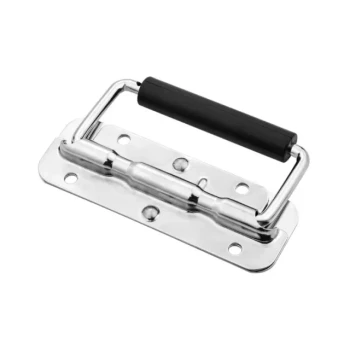
- Professional Grade Foldable Beehive Handles
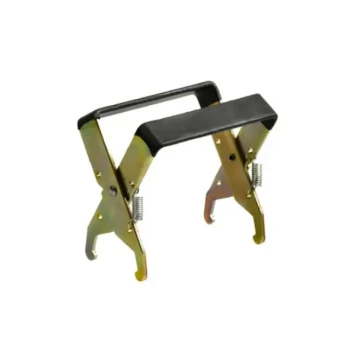
- Premium Comfort Grip Spring-Loaded Hive Handles
People Also Ask
- What function do hive identification tags serve in long-term monitoring? Secure Precise Data & Outlier Detection
- What roles do hive fasteners, straps, and ventilation gates play during colony migration? Secure Your Hives for Transit
- What is the purpose of leg straps in beekeeping attire? Secure Your Gear for Maximum Safety
- How can hive straps with hook ends be used to secure a beehive? Adapt Your Straps for Maximum Hive Stability
- Why are weather-resistant numbered plastic tags essential for bee research? Master Long-Term Hive Data Continuity