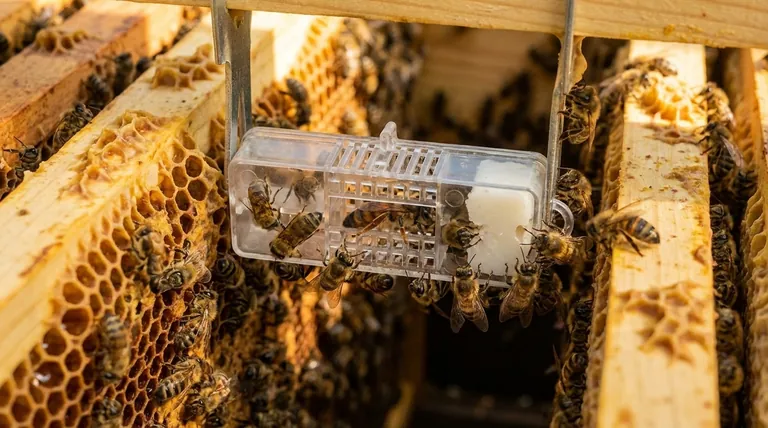
The Most Dangerous Introduction
In the life of a honeybee colony, few moments are more fraught with peril than the introduction of a new queen. From the colony's perspective, she is a foreign invader. Their instinct, honed over millions of years, is to surround and kill her in a violent act known as "balling."
Yet, beekeepers must perform this high-stakes social negotiation regularly. The survival and productivity of the entire hive depend on its success.
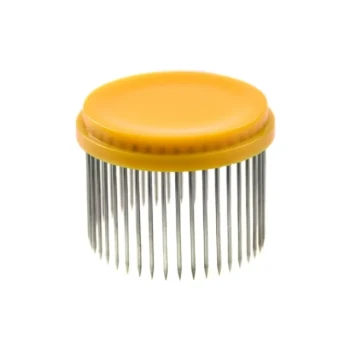
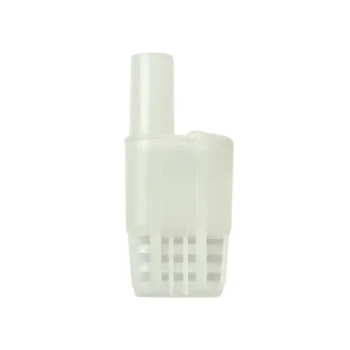
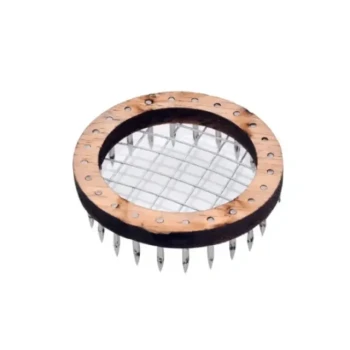
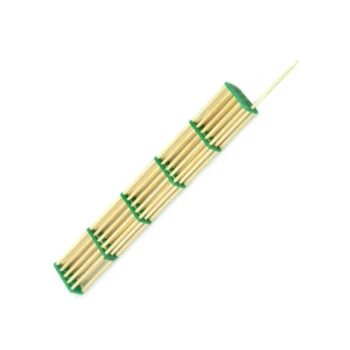
How do you turn a deadly foe into an accepted leader? You don't use force. You use a small, brilliantly designed device that is less a cage and more a diplomat's passport: the queen cage. It is a masterpiece of applied behavioral psychology.
The Anatomy of a Social Contract
Understanding a queen cage requires looking past the plastic and wood and seeing it as an instrument for managing social chemistry. Each component is designed to manipulate time and perception, guiding a colony from blind hostility to loyal acceptance.
The Semi-Permeable Barrier
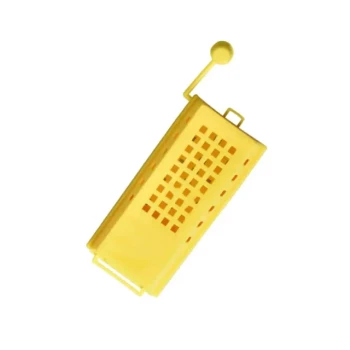
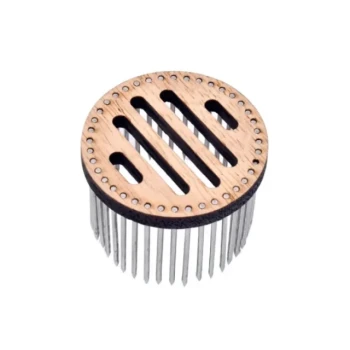
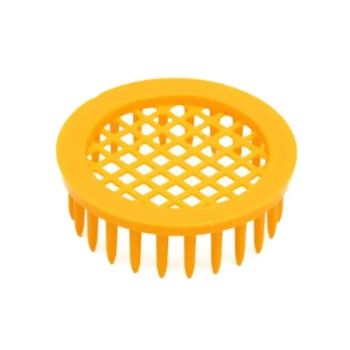
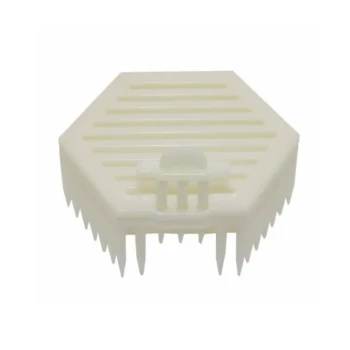
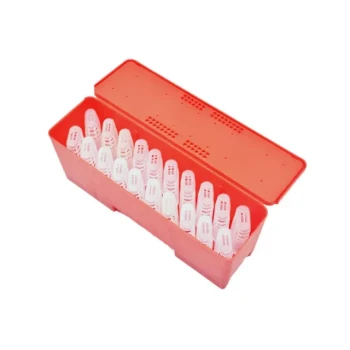
The main body of the cage is the first instrument of control. It is a physical barrier, protecting the queen from the workers' initial aggression.
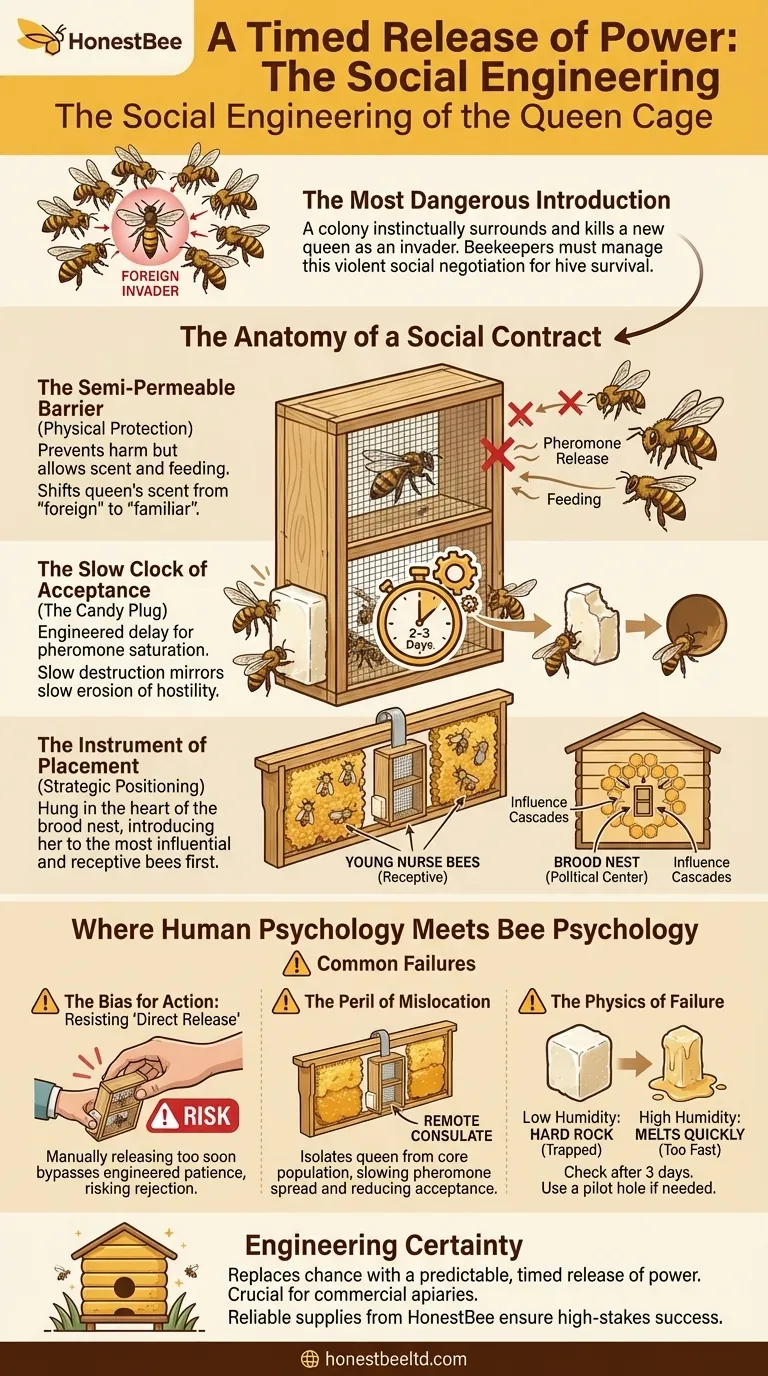
But it is not a solid wall. The mesh or holes are precisely engineered. They are small enough to prevent workers from entering to harm the queen, but large enough for them to feed her and, most critically, to receive her pheromones. This barrier allows for communication without violence. The queen’s scent, her chemical signature of royalty, begins to permeate the hive, slowly shifting from "foreign" to "familiar."
The Slow Clock of Acceptance
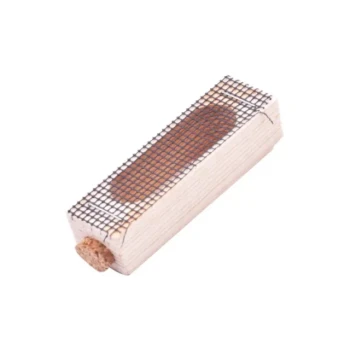
The most critical component is the candy plug. This is not just a food source; it is a clock. A small chamber is packed with hard sugar candy, blocking the queen’s only exit.
The bees on both sides of the barrier begin to eat the candy. This process is intentionally slow, typically taking two to three days. This delay is the entire point. It buys the time needed for the queen's pheromones to saturate the colony. As the workers methodically chew through the plug, they are simultaneously acclimating to her presence. The slow destruction of the barrier mirrors the slow erosion of their hostility.
By the time they break through, she is no longer an invader. She is their queen.
The Instrument of Placement
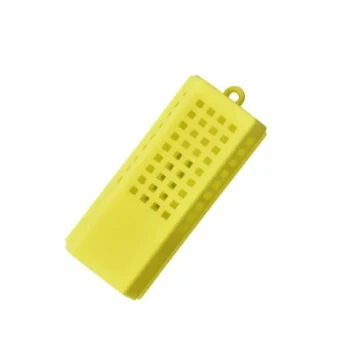
Modern cages have a suspension tab. This is not for convenience; it is for strategic placement. The cage must be hung between two frames, right in the heart of the brood nest.
This is the political center of the hive, teeming with young nurse bees. These bees are physiologically more receptive to a new queen than older foragers. By placing her here, you introduce her to the most influential and accepting demographic first. Their acceptance cascades through the rest of the colony, securing her position.
Where Human Psychology Meets Bee Psychology
The queen cage is an elegant solution, but its success can be undermined by the beekeeper's own psychology. The most common failures are not mechanical, but behavioral.
The Bias for Action: Resisting "Direct Release"
A beekeeper might observe the workers acting peacefully towards the caged queen after a day and be tempted to release her manually. This desire to "help things along" is a significant gamble.
It bypasses the slow, methodical process of acceptance that the candy plug engineers. A colony's mood is fickle. The engineered patience of the cage is almost always more reliable than a beekeeper's gut feeling. The system is designed to remove human impatience from the equation.
The Peril of Mislocation
Placing the cage away from the brood nest—on the outer edges or in a honey super—is a critical error.
This is like a diplomat trying to negotiate a treaty from a remote consulate instead of the capital. It isolates the queen from the colony's core population, slowing pheromone distribution and dramatically reducing the odds of acceptance. Placement is not a suggestion; it is a core part of the mechanism.
The Physics of Failure
The candy plug itself is subject to the environment. In low humidity, it can harden into a rock, trapping the queen. In high humidity, it can melt too quickly.
This demands a simple check-in after three days. If the queen is not released, a small nail can be used to create a pilot hole, helping the bees finish the job. It’s a reminder that even a perfect social tool operates within the laws of physics.
Engineering Certainty
The queen cage is a profound example of engineering a solution for a complex biological and social problem. It works by acknowledging the colony's innate behavior and creating a structured process to gently guide it toward a desired outcome. It replaces chance with a predictable, timed release of power.
For commercial apiaries, where requeening success directly impacts the bottom line, the reliability of this simple tool is paramount. Every component, from the durability of the enclosure to the consistency of the candy, must be flawless. Ensuring you have high-quality, dependable equipment is the first step in managing these critical transitions.
At HONESTBEE, we provide commercial beekeepers and distributors with precisely the kind of reliable, well-engineered supplies needed for these high-stakes operations. Contact Our Experts
Visual Guide
Related Products
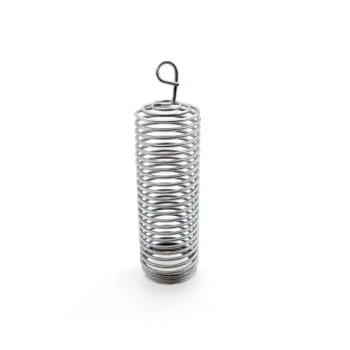
- Durable Galvanized Steel Spring Queen Bee Cage
- Professional Queen Cage with Sliding Gate and Feeder Plug
- Classic Wooden and Mesh California Queen Cage
- Professional Queen Bee Introduction and Transport Cage
- Professional Multi-Functional Queen Bee Cage
Related Articles
- An Engineered Truce: The Psychology of the Queen Cage
- Maximizing Queen Cage Value: A Beekeeper's Guide to Safe Reuse & Long-Term Savings
- The Queen Cage's Ledger: A Systems Approach to Apiary Biosecurity
- The Diplomatic Interface: Why Queen Cage Maintenance is a Study in Risk Management
- How to Introduce a Queen Bee Successfully Using Queen Cages: A Beekeeper’s Guide