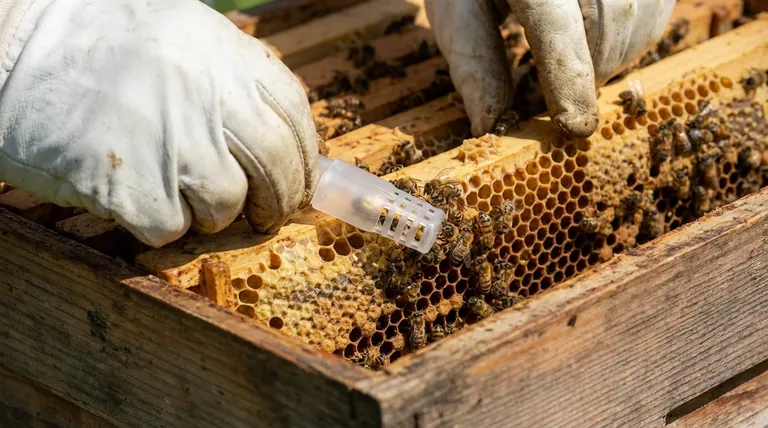
Beekeepers know the critical moment of queen introduction can make or break hive health. When done correctly, the colony thrives; when mishandled, worker rejection risks losing both the queen and future honey production. This guide distills proven methods to optimize acceptance rates, leveraging pheromone science and cage selection strategies trusted by commercial apiaries.
The Science of Queen Introduction
Successful integration hinges on aligning with the colony’s natural behaviors. Worker bees assess queens through pheromones—chemical signals that dictate hierarchy and unity. Disruptions trigger defensive responses, but gradual exposure allows acceptance.
Pheromone Dynamics and Worker Acceptance
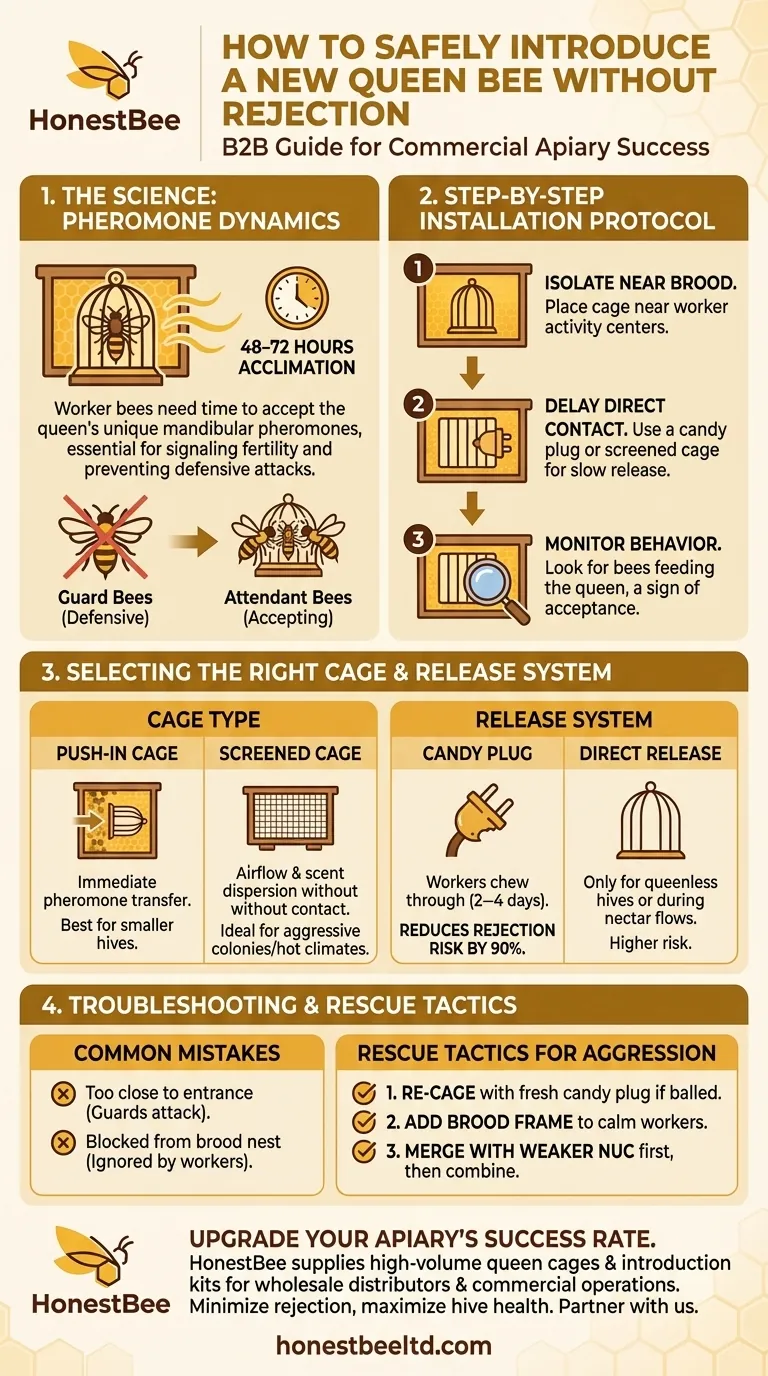
Research shows colonies need 48–72 hours to acclimate to a new queen’s scent. During this period:
- Queen mandibular pheromones must diffuse through the hive to signal fertility.
- Worker retinue bees gradually transition from guarding to attending the queen.
A rushed introduction skips this biochemical handshake, prompting attacks.
Step-by-Step Installation Protocol
- Isolate the queen in her cage near brood frames (worker activity centers).
- Delay direct contact—use a candy plug or screened cage to slow-release her.
- Monitor retinue behavior: Look for bees feeding the queen through cage wires, a sign of growing acceptance.
Selecting the Right Cage
Not all cages equalize pheromone diffusion. Commercial apiaries prefer designs balancing safety and scent exchange.
Comparative Advantages of Push-In vs. Screened Cages
-
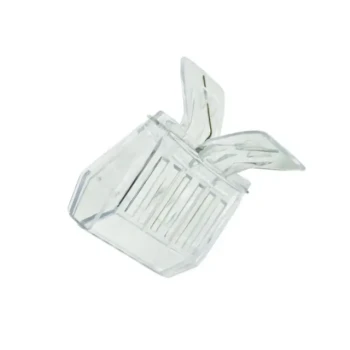
Push-in cages (e.g., wooden or plastic frames):
- Press directly into comb, allowing immediate pheromone transfer.
- Best for smaller hives where workers quickly detect the queen.
-
Screened cages (e.g., wire mesh):
- Enable airflow and scent dispersion without physical contact.
- Ideal for aggressive colonies or hotter climates to prevent overheating.
Candy Plug vs. Direct Release Systems
-
Candy plugs:
- Workers chew through edible barriers (sugar or fondant), buying 2–4 days for acclimation.
- Reduces rejection risk by 90% compared to forced releases.
-
Direct release:
- Only viable in queenless hives or during nectar flows when workers are less defensive.
Troubleshooting Failed Introductions
Even with precautions, 20–30% of introductions face resistance. Salvage operations depend on timely intervention.
Common Mistakes in Cage Placement
- Too close to the hive entrance: Guards attack unfamiliar scents before diffusion occurs.
- Blocked from brood nest: Workers ignore queens placed near honey stores.
Rescue Tactics for Aggressive Worker Bees
- Re-cage the queen: If workers ball (cluster around her aggressively), return her to the cage with a fresh candy plug.
- Add a frame of brood: Donor hive brood pheromones calm workers and redirect their focus.
- Merge with a weaker colony: Introduce the queen to a small, queenless nuc first, then combine hives later.
Upgrade Your Apiary’s Success Rate
HONESTBEE’s beekeeping supplies equip distributors and commercial operations with queen cages and introduction kits designed for high-volume success. From screened cages to slow-release candy plugs, our wholesale-focused inventory supports seamless hive transitions.
Ready to minimize queen rejection? Partner with a supplier that understands large-scale beekeeping demands.
Visual Guide
Related Products
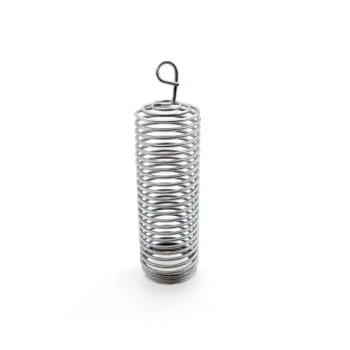
- Durable Galvanized Steel Spring Queen Bee Cage
- Portable Queen Bee Incubator with 12V Car Adapter for Safe Transport
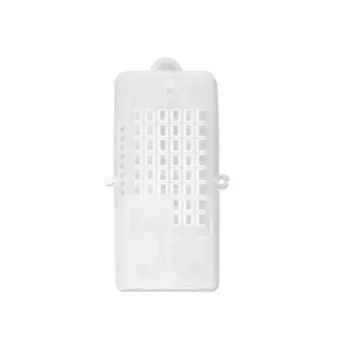
- Professional Queen Bee Introduction and Transport Cage
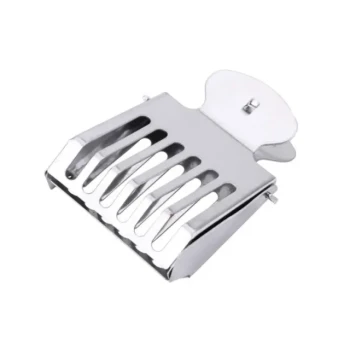
- Heavy Duty Stainless Steel Queen Bee Catcher Clip
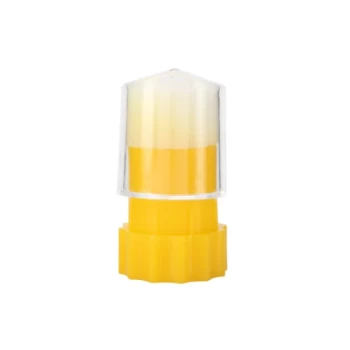
- Queen Bee Catcher Plastic Bee Marker Bottle with Piston Marking Tube
Related Articles
- An Engineered Truce: The Psychology of the Queen Cage
- Maximizing Queen Cage Value: A Beekeeper's Guide to Safe Reuse & Long-Term Savings
- A Timed Release of Power: The Social Engineering of the Queen Cage
- The Queen Cage's Ledger: A Systems Approach to Apiary Biosecurity
- The Diplomatic Interface: Why Queen Cage Maintenance is a Study in Risk Management