The Architecture of Anxiety
A beehive is a fortress of immense complexity. But like any fortress, its strength is often dictated by its weakest point: the front door.
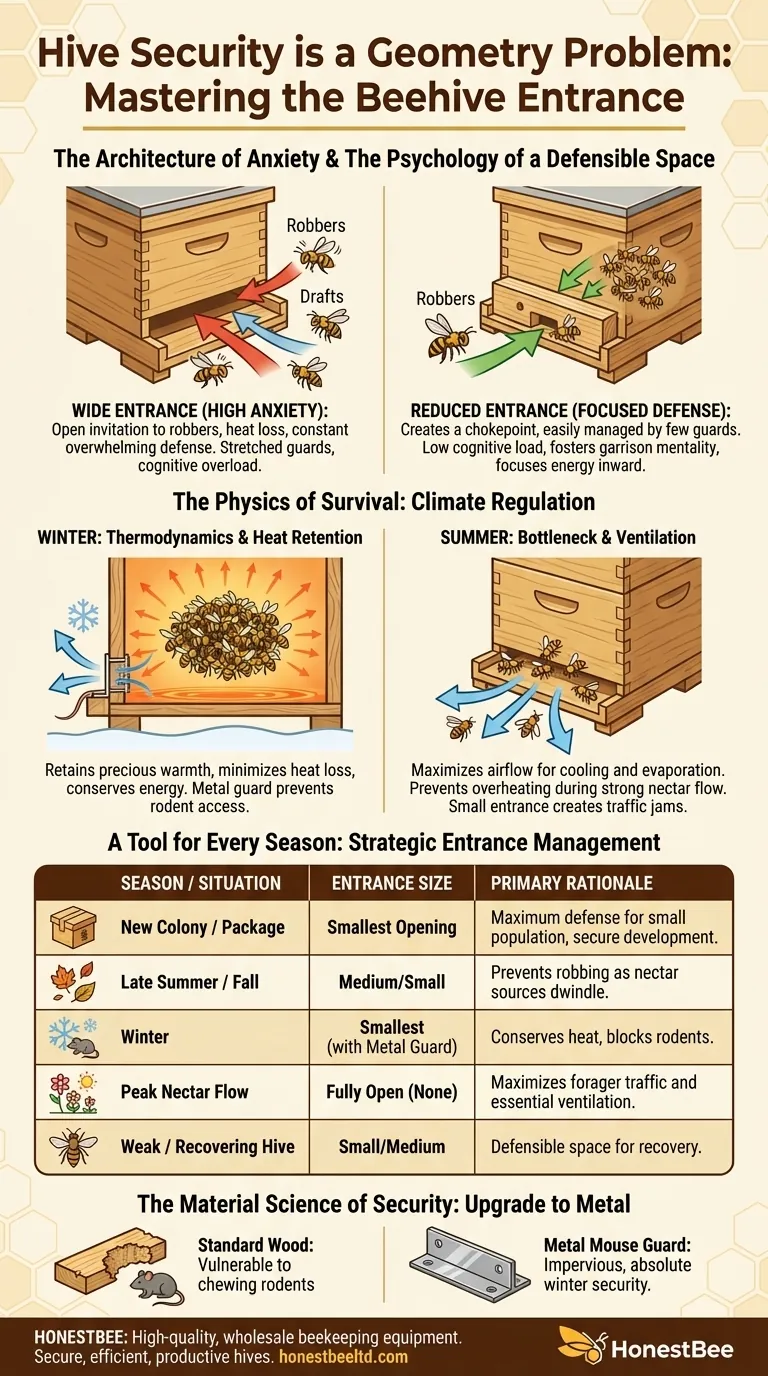
A wide, undefended entrance is more than a physical vulnerability; it's a source of systemic stress for the colony. It's an open invitation to robbers, a gaping hole for heat to escape, and a constant, overwhelming perimeter to defend.
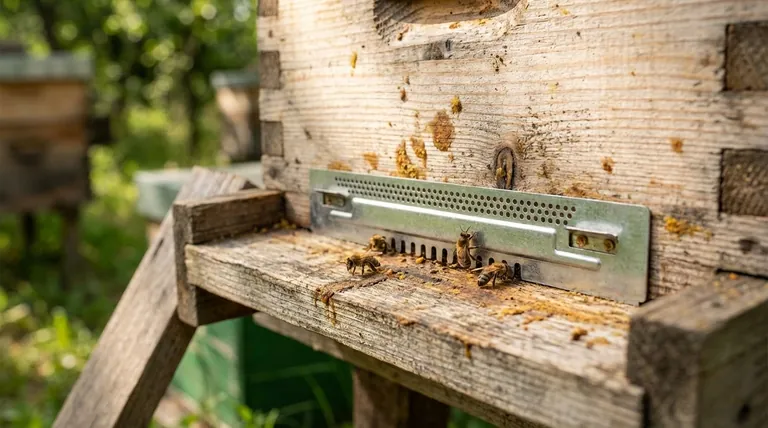
The hive's security, and ultimately its productivity, is fundamentally a geometry problem. The solution is often a simple piece of wood: the entrance reducer.
The Psychology of a Defensible Space
A colony’s behavior is driven by its perception of security. By manipulating the entrance, a beekeeper can directly influence a hive's collective mindset, shifting it from anxious and defensive to focused and productive.
Reducing Cognitive Load
For a small or developing colony, a full-width entrance is a chaotic frontline. The few available guard bees are stretched thin, forced to monitor a vast, indefensible space. This is a state of high alert and cognitive overload.
By shrinking the entrance, we create a chokepoint. This single, narrow doorway is easily managed by just a few guards. The cognitive load on the colony's defense system plummets. Resources are no longer wasted on constant, widespread vigilance.
Fostering a Garrison Mentality
For a newly installed package of bees, survival is paramount. They need to build comb, raise brood, and establish their home. A small, secure entrance creates a "bunker."
This allows the colony to adopt a garrison mentality, focusing their energy inward on construction and growth, confident that their home is secure from the overwhelming forces of stronger, nearby hives.
The Physics of Survival
The entrance is not just a doorway; it's the primary regulator for the hive's internal climate. Its size dictates airflow and heat exchange, critical factors for surviving the extremes of winter and summer.
The Thermodynamics of Winter
In winter, bees form a cluster, vibrating their wing muscles to generate heat. A large entrance acts like an open window in a heated house, creating drafts and allowing precious warmth to vent into the cold air. The colony must burn through more of its vital honey stores just to stay alive.
Reducing the entrance is like insulating that window. It minimizes heat loss, allowing the cluster to maintain its temperature more efficiently and conserve the energy needed to survive until spring.
The Bottleneck of Summer
In the heat of summer, the physics reverse. The hive’s challenge is no longer heat retention, but heat dissipation. Bees fan their wings to circulate air and evaporate nectar, effectively air-conditioning their home.
A small entrance now becomes a liability. It creates a traffic jam for foraging bees and severely restricts the airflow needed for cooling. This can lead to an overheated, stressed colony and reduced honey production. During a strong nectar flow, the entrance must be opened completely to match the colony's strength.
A Tool for Every Season: A Strategic Guide
Effective use of an entrance reducer is about adapting to the colony's changing needs. It is a dynamic tool, not a permanent fixture.
| Season/Situation | Entrance Size | Primary Rationale |
|---|---|---|
| New Colony / Package | Smallest Opening | Maximum defense for a small population, fostering secure internal development. |
| Late Summer / Fall | Medium/Small | Prevents robbing from other hives as natural nectar sources dwindle. |
| Winter | Smallest Opening | Conserves heat and, crucially, blocks mice and other rodents seeking a warm shelter. |
| Peak Nectar Flow | Fully Open (None) | Maximizes forager traffic and provides essential ventilation to prevent overheating. |
| Weak / Recovering Hive | Small/Medium | Provides a defensible space to help a diminished population protect itself and recover. |
The Material Science of Security
While a standard wooden reducer is effective for managing bee traffic and airflow, it has a critical flaw: a determined mouse can, and will, chew through it to access the hive in winter.
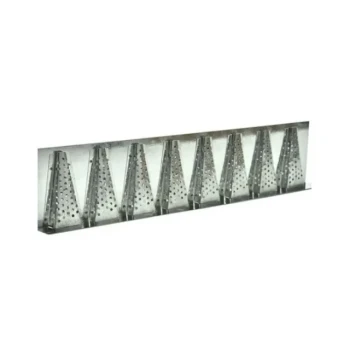
For absolute security, the engineering must be sounder. A dedicated metal mouse guard serves the same purpose of reducing the entrance but is completely impervious to rodents. This simple material upgrade removes a significant winter threat. Equipping an apiary with durable, reliable tools designed for specific challenges is not an expense; it's an investment in survival.
Great beekeeping is the art of managing these intricate systems. Providing your colonies with the right architectural components is the foundation of their success. HONESTBEE specializes in supplying commercial apiaries with high-quality, wholesale beekeeping equipment built to withstand the rigors of every season.
To ensure your hives are secure, efficient, and productive, Contact Our Experts.
Visual Guide
Related Products
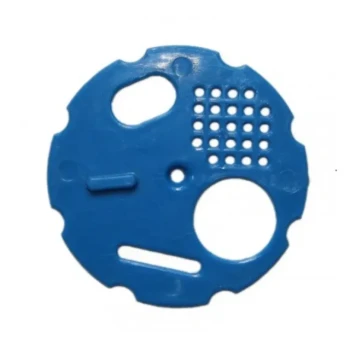
- Beehive Entrance Discs Plastic Bee Entrance Disc for Bee Hives
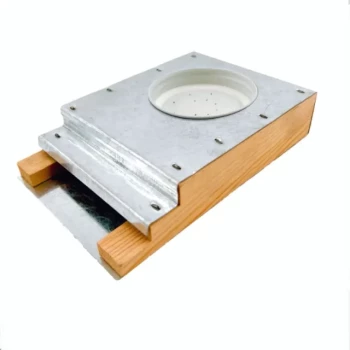
- Professional Reversible Beehive Hive Entrance
- Steel Round Disc Entrance Reducer for Flexzion Bee Hive Nuc Box Gate
- Multi-Functional Sliding Hive Entrance for Beekeeping
- Beehive Entrance Reducer Guardian Metal Hive Entrance for Bees
Related Articles
- The Four States of the Hive Entrance: A Gateway or a Fortress?
- Optimizing Beehive Entrance Discs: When Freedom Boosts Hive Performance
- More Than a Door: The Beehive Entrance Disc as a System Controller
- The Four-Way Gate: Mastering the Deceptive Simplicity of the Hive Entrance Disc
- How Hive Entrance Size Shapes Bee Health: Balancing Ventilation and Security