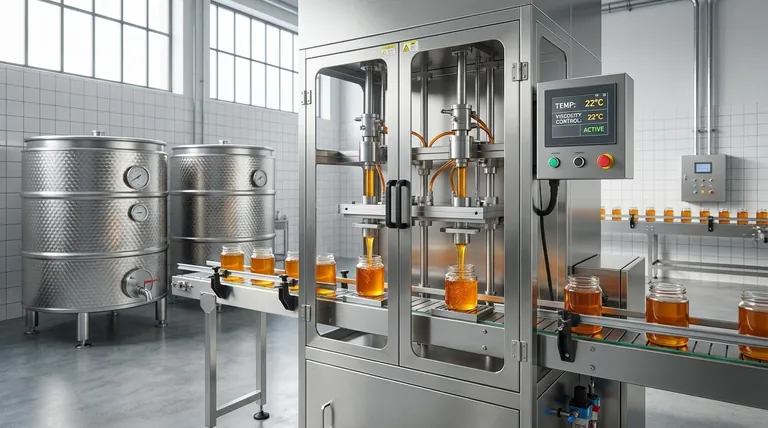
For commercial apiaries and distributors, honey packaging isn't just about containment—it's a critical system that protects product integrity, minimizes waste, and safeguards hard-earned brand reputation. Modern solutions like double-layer insulated barrels and precision viscosity control technologies address the core challenges premium honey producers face: crystallization, contamination, and leakage during storage/transport.
Honey Integrity Preservation Technology
The Science Behind Double-Layer Insulated Barrels
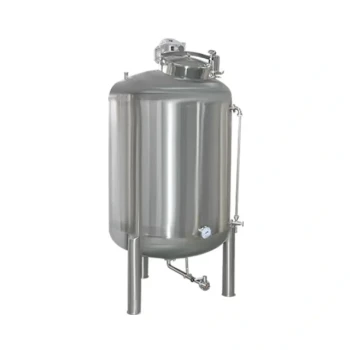
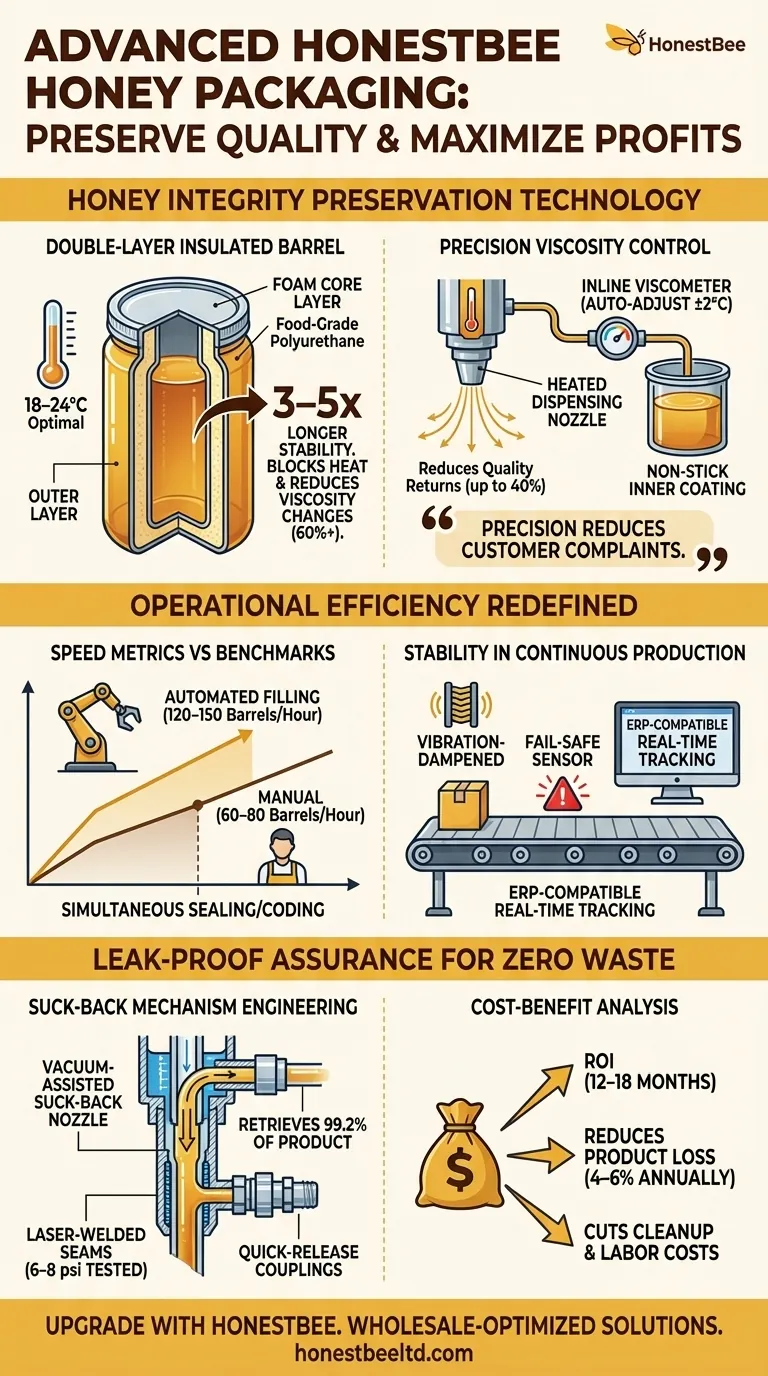
Temperature fluctuations cause honey crystallization—a leading quality concern for buyers. Research indicates that insulated barrels maintain optimal internal conditions (18–24°C) for 3–5 times longer than traditional single-wall containers. This dual-layer design:
- Blocks external heat transfer through food-grade polyurethane foam cores
- Reduces temperature-induced viscosity changes by over 60%
- Extends shelf stability without additives or excessive pasteurization
Why Viscosity Control Equals Brand Reputation
Honey’s flow properties directly impact filling accuracy and consumer perception. Advanced packaging systems now integrate:
- Heated dispensing nozzles to maintain ideal viscosity during bottling
- Inline viscometers that auto-adjust temperatures (±2°C tolerance)
- Non-stick inner coatings to prevent residue buildup (a common cause of batch inconsistencies)
"Have you noticed how inconsistent texture leads to customer complaints? Precision viscosity systems can reduce quality-related returns by up to 40%."
These technologies ensure your honey delivers the same premium experience—from first pour to last drop.
Operational Efficiency Redefined
Speed Metrics vs Industry Benchmarks
High-volume apiaries lose approximately 15–20% of productive hours to manual packaging inefficiencies. Modern systems address this through:
- Automated filling stations processing 120–150 barrels/hour (vs. 60–80 manually)
- Simultaneous sealing/coding that eliminates secondary labeling steps
- Modular designs allowing quick swaps between container sizes
Stability in Continuous Production Environments
For distributors handling 10+ metric tons monthly, uninterrupted flow is non-negotiable. Leading solutions offer:
- Vibration-dampened conveyor belts that prevent foaming during transfers
- Fail-safe sensors halting operations if air/moisture ingress is detected
- ERP-compatible tracking for real-time batch monitoring
Leak-Proof Assurance for Zero Waste
Suck-Back Mechanism Engineering Breakdown
Up to 8% of honey is lost through dripping valves and imperfect seals. Next-gen packaging counters this with:
- Vacuum-assisted suck-back nozzles retrieving 99.2% of product post-dispense
- Laser-welded seams tested to withstand 6–8 psi pressure (exceeding transport standards)
- Quick-release couplings that prevent thread damage during frequent connects/disconnects
Cost-Benefit Analysis of Leak Prevention
While advanced systems require 10–15% higher upfront investment, they typically yield ROI within 12–18 months by:
- Reducing product loss by 4–6% annually
- Cutting cleanup/labor costs in loading docks and warehouses
- Minimizing rejected shipments due to sticky or underweight containers
Upgrade Your Honey’s Journey with HONESTBEE
Commercial beekeepers and distributors trust HONESTBEE’s packaging systems to protect their honey’s quality from hive to shelf. Discover wholesale-optimized solutions that turn packaging from a cost center into a competitive edge. [Contact our team] to explore efficiency audits tailored to your operation scale.
Visual Guide
Related Products
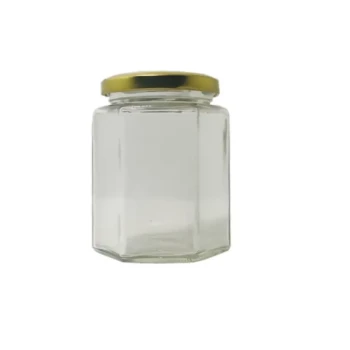
- Hexagonal Glass Honey Jars with Metal Lug Caps Elegant Versatile Packaging
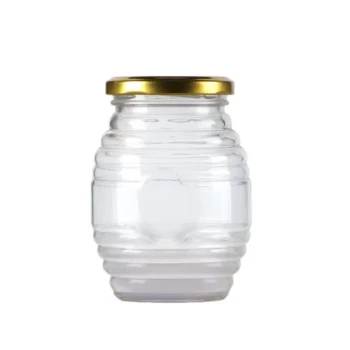
- Classic Drum Shaped Glass Honey Jar with Airtight Lid
- Food Grade Plastic Honey Bucket Pail for Beekeeping
- Premium Stainless Steel Honey Tank Bucket Pail with Reinforced Handle and Polished Finish
- Stainless Steel Honey Storage Tank with Lid for Honey
Related Articles
- The Chemistry of Immortality: Why a Honey Jar is More Than Just a Container
- Anatomy of a Honey Jar: A Story of Chemistry, Psychology, and Logistics
- How to Choose Honey Storage Containers That Prevent Spoilage and Extend Shelf Life
- Containing Liquid Gold: The Silent Engineering Inside Every Honey Jar
- How Honey Storage Science Preserves Nutrients: Temperature, Light & Container Insights