For beekeepers, summer migration isn’t just an inconvenience—it’s a threat to colony productivity and survival. The key to prevention lies in decoding nurse bee behavior during pollen dearth and responding with precisely timed nutritional support. This guide outlines a replicable protocol backed by brood monitoring insights and field-tested supplementation strategies.
Preventing Summer Migration Through Brood Monitoring
Identifying Nurse Bee Behavior During Pollen Dearth
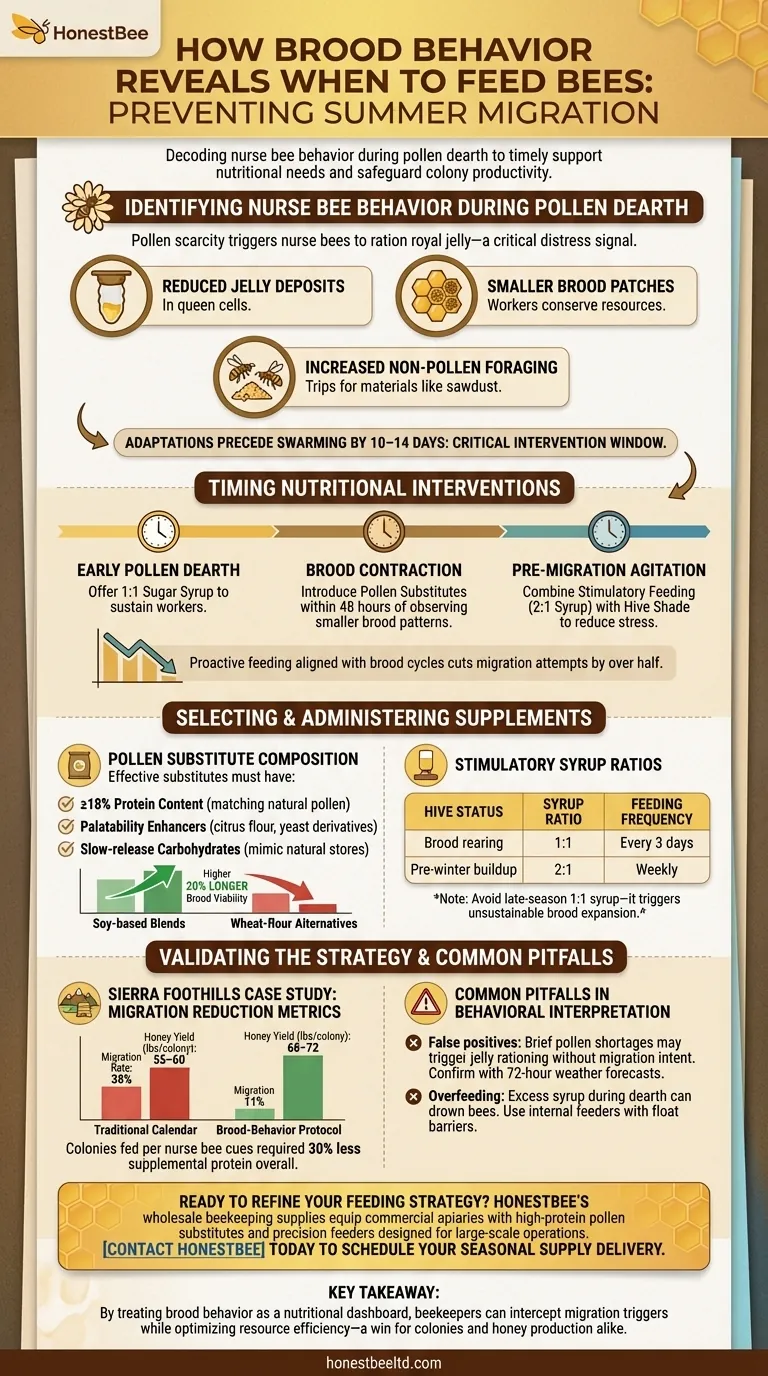
When pollen becomes scarce, nurse bees ration royal jelly—a clear distress signal. Colonies on the brink of migration exhibit:
- Reduced jelly deposits in queen cells
- Smaller brood patches as workers conserve resources
- Increased foraging trips for non-pollen materials (e.g., sawdust, resin substitutes)
Research shows these adaptations precede swarming by 10–14 days, creating a critical intervention window.
Timing Nutritional Interventions to Hive Needs
Act during these behavioral shifts:
- Early pollen dearth: Offer 1:1 sugar syrup to sustain workers.
- Brood contraction: Introduce pollen substitutes within 48 hours of observing smaller brood patterns.
- Pre-migration agitation: Combine stimulatory feeding (2:1 syrup) with hive shade to reduce stress.
Proactive feeding aligned with brood cycles cuts migration attempts by over half in monitored apiaries.
Selecting and Administering Supplements
Pollen Substitute Composition and Brand Efficacy
Effective substitutes share three traits:
- ≥18% protein content (matching natural pollen)
- Palatability enhancers like citrus flour or yeast derivatives
- Slow-release carbohydrates to mimic natural stores
In field tests, soy-based blends with added micronutrients maintained brood viability 20% longer than wheat-flour alternatives.
Stimulatory Syrup Ratios for Late-Season Sustenance
| Hive Status | Syrup Ratio | Feeding Frequency |
|---|---|---|
| Brood rearing | 1:1 | Every 3 days |
| Pre-winter buildup | 2:1 | Weekly |
Note: Avoid late-season 1:1 syrup—it triggers unsustainable brood expansion.
Validating the Strategy
Sierra Foothills Case Study: Migration Reduction Metrics
A 200-colony trial compared reactive vs. behavior-timed feeding:
| Approach | Migration Rate | Honey Yield (lbs/colony) |
|---|---|---|
| Traditional calendar | 38% | 55–60 |
| Brood-behavior protocol | 11% | 68–72 |
Colonies fed per nurse bee cues required 30% less supplemental protein overall.
Common Pitfalls in Behavioral Interpretation
- False positives: Brief pollen shortages may trigger jelly rationing without migration intent. Confirm with 72-hour weather forecasts.
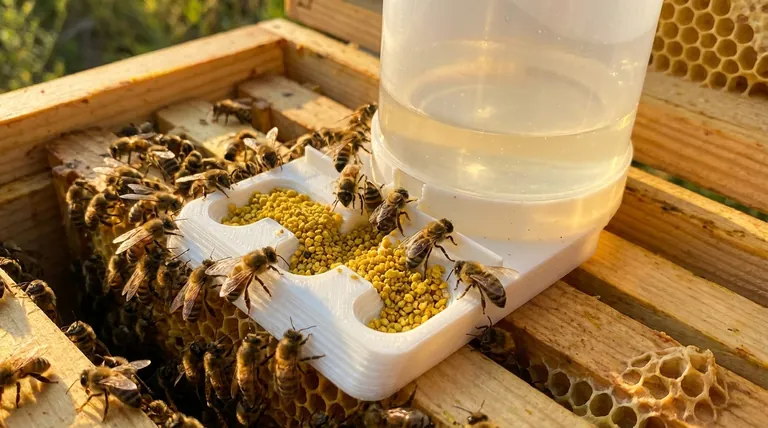
- Overfeeding: Excess syrup during dearth can drown bees. Use internal feeders with float barriers.
Ready to refine your feeding strategy? HONESTBEE’s wholesale beekeeping supplies equip commercial apiaries with high-protein pollen substitutes and precision feeders designed for large-scale operations. [Contact HONESTBEE] today to schedule your seasonal supply delivery.
Key Takeaway: By treating brood behavior as a nutritional dashboard, beekeepers can intercept migration triggers while optimizing resource efficiency—a win for colonies and honey production alike.
Visual Guide
Related Products
- HONESTBEE 15-in-1 Beekeeper Multi-Tool with Hammer and Pliers for Beekeeping
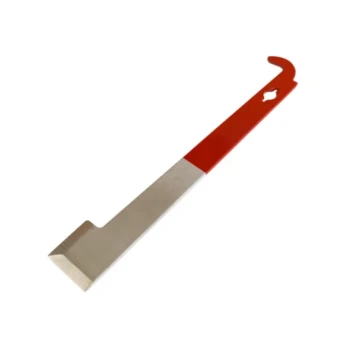
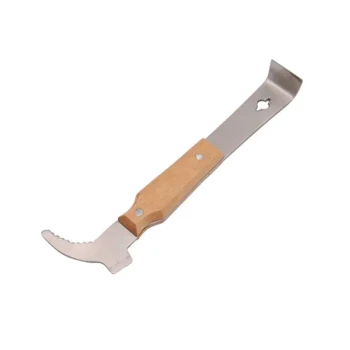
- Stainless Steel J Hook Hive Tool for Beekeeping
- Stainless Steel Queen Grafting Tool for Beekeeping and Bee Queen Grafting
- Multi-Function Plier-Style Frame Grip Hive Tool
- HONESTBEE Professional Mini J-Hook Hive Tool for Beekeeping
Related Articles
- Essential Beekeeping Tools: How to Choose and Use Gear for Safe, Efficient Hive Management
- Essential Beekeeping Tools: How Strategic Preparation Boosts Hive Health, Safety, and Honey Yields
- How to Choose Beekeeping Tools: A Practical Guide for Every Budget and Climate
- How to Master Essential Beekeeping Tools Safely and Efficiently
- The Human Interface: Why a Beekeeper's Calm is the Ultimate Hive Tool