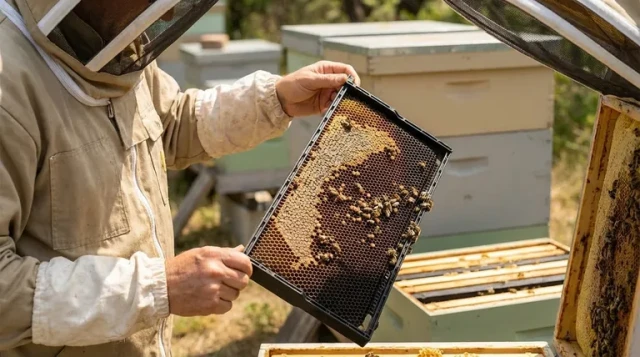
Modern beekeeping demands solutions that balance durability, pest resistance, and operational efficiency. Plastic frames have emerged as a transformative tool, offering beekeepers a way to safeguard colonies while reducing long-term costs. This article explores their advantages over wooden frames, backed by material science insights and real-world beekeeping outcomes.
Benefits of Plastic Frames in Modern Beekeeping
Durability and Long-Term Cost Efficiency
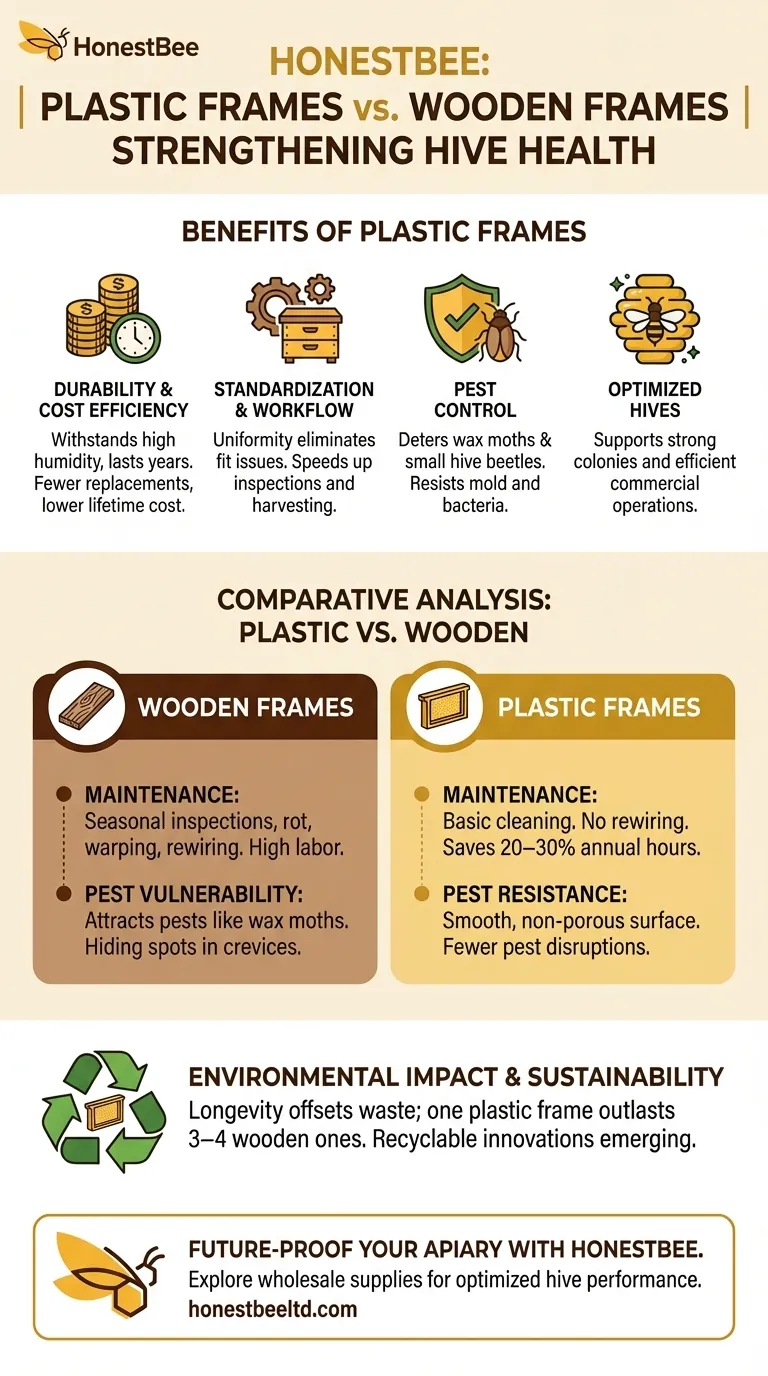
Plastic frames withstand high humidity and repeated use far better than wooden alternatives. While wooden frames may warp under heavy honey loads or require frequent replacements, plastic variants maintain structural integrity for years. Beekeepers report fewer replacements, translating to lower lifetime expenses despite a marginally higher upfront cost.
Standardization for Hive Compatibility and Workflow Optimization
Mass-produced plastic frames ensure uniformity across hive boxes, eliminating fit issues common with handmade wooden frames. This standardization speeds up inspections and honey harvesting—critical for commercial operations managing hundreds of hives.
Pest Control: How Plastic Frames Protect Your Hive
Research shows plastic surfaces deter wax moths and small hive beetles, pests that exploit crevices in wooden frames. The non-porous material also resists mold and bacteria buildup, reducing disease risks. For beekeepers in humid climates, this is a game-changer.
Comparative Analysis: Plastic vs. Wooden Frames
Maintenance Requirements and Labor Costs
- Wooden Frames: Require seasonal inspections for rot, warping, or pest damage. Reassembly and rewiring add labor time.
- Plastic Frames: Need only basic cleaning between uses. No rewiring or glue repairs, saving ~20–30% in annual maintenance hours.
Pest Vulnerability and Material Science Insights
Wood’s organic composition attracts pests like wax moths, which chew through frames to lay eggs. Plastic’s smooth surface lacks these hiding spots. Studies note colonies in plastic frames show fewer pest-related disruptions, though proper hive management remains essential.
Addressing Concerns: Environmental Impact and Sustainability
While plastic frames aren’t biodegradable, their longevity offsets waste. A single plastic frame can outlast 3–4 wooden ones, reducing resource consumption. Innovations in recyclable plastics are also emerging, though widespread adoption awaits further testing.
For beekeepers prioritizing hive health and efficiency, plastic frames offer a compelling upgrade. Their pest-resistant properties and durability align with the demands of commercial-scale operations.
Ready to future-proof your apiary? Explore HONESTBEE’s wholesale beekeeping supplies, designed to help commercial beekeepers and distributors optimize hive performance with durable, pest-resistant solutions.
Visual Guide
Related Products
- Ergonomic Plastic Frame Spacer Tool for Rapid Hive Management Beekeeping
- Plastic Bee Frame Beekeeping Hive Frames for Wholesale
- Assembled Wooden Bee Frames with Plastic Foundation for Durability and Convenience by HONESTBEE
- Food Grade Plastic bee Foundation for Bee Frames
- Durable Plastic Frame Spacer
Related Articles
- How to Master Essential Beekeeping Tools Safely and Efficiently
- The Human Interface: Why a Beekeeper's Calm is the Ultimate Hive Tool
- The Unseen Architecture: Why Modern Apiaries Bet on Plastic Frames
- The Physics of Failure: Why Modern Apiaries Are Migrating from Wood to Plastic Frames
- Tired of Sagging Comb? The Hidden Cost of "Cheap" Beekeeping Frames