Queen marking isn't just about identification—it's the cornerstone of efficient apiary management. By implementing systematic color-coding and tracking protocols, beekeepers gain unprecedented control over swarm prevention, queen replacement, and colony health.
The Essential Guide to Queen Bee Marking
Marking queens serves three critical purposes: age tracking, quick identification during inspections, and data-driven hive management. Research shows marked queens reduce inspection time by approximately 30-50% while improving record-keeping accuracy.
Color Coding Systems and Their Significance
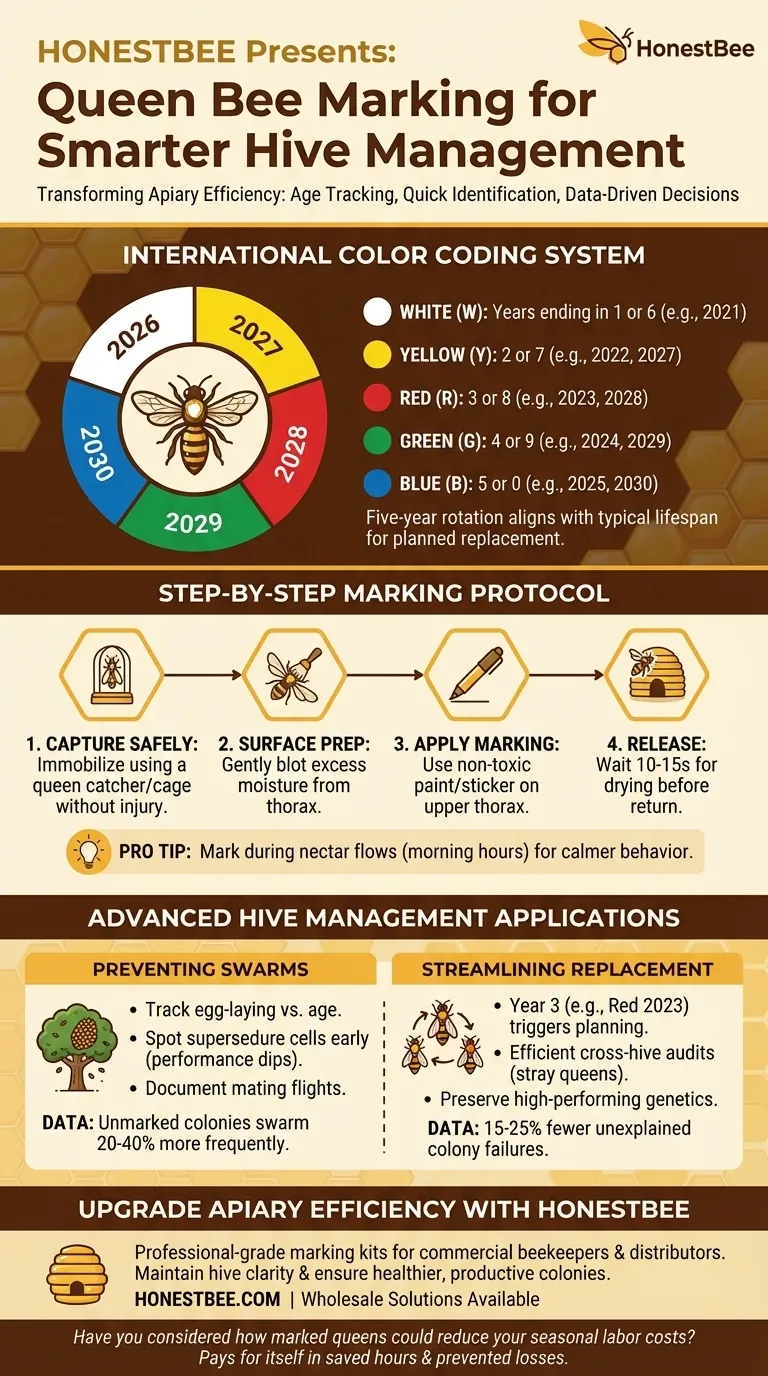
The international color code follows the mnemonic "Will You Raise Good Bees":
- White (W): Years ending in 1 or 6
- Yellow (Y): 2 or 7
- Red (R): 3 or 8
- Green (G): 4 or 9
- Blue (B): 5 or 0
This five-year rotation aligns with queen bees' typical lifespan. A green dot in 2024 instantly communicates the queen's introduction year, helping beekeepers plan replacements before productivity declines.
Step-by-Step Marking Protocol for Beekeepers
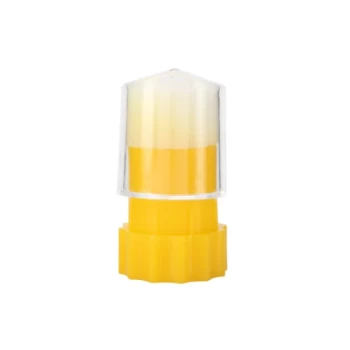
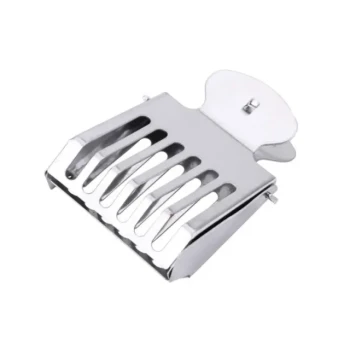
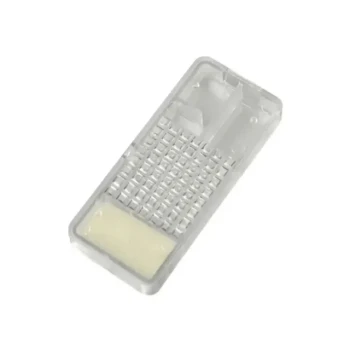
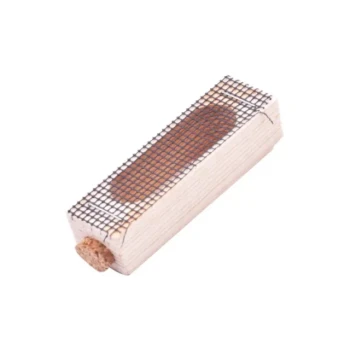
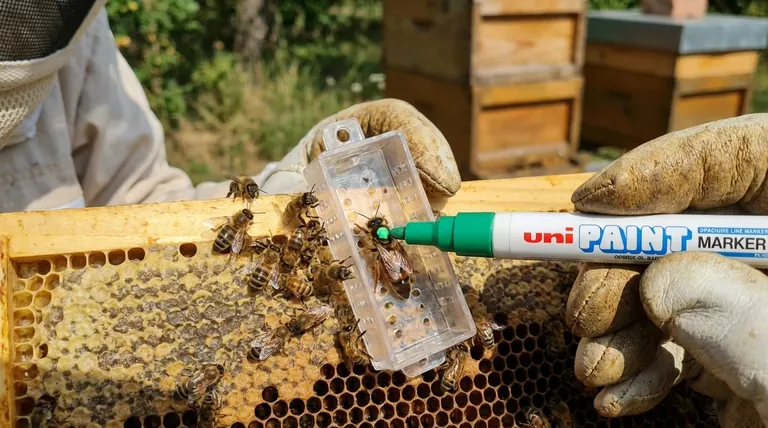
- Capture Safely: Use a queen catcher or marking cage to immobilize her without injury
- Surface Prep: Gently blot excess moisture from her thorax using a soft brush
- Apply Marking: Use water-based paint pens or non-toxic stickers on the upper thorax
- Release: Wait 10-15 seconds for drying before returning her to the frame
Pro Tip: Mark during nectar flows when colonies are least defensive. Morning hours often yield calmer bee behavior.
Advanced Hive Management Applications
Preventing Swarms Through Queen Monitoring
Marked queens enable predictive swarm control. Beekeepers can:
- Track egg-laying patterns against the queen's known age
- Spot supersedure cells earlier when marked queens show performance dips
- Document successful mating flights after artificial swarm creation
Colonies with unmarked queens swarm 20-40% more frequently according to apiary studies.
Streamlining Queen Replacement Programs
Color-coded queens transform replacement workflows:
- Year 3: Red-marked queens (2023) trigger preemptive replacement planning
- Cross-Hive Audits: Quickly identify stray queens during hive mergers
- Selective Breeding: Preserve high-performing genetics using visual tracking
Commercial apiaries report 15-25% fewer unexplained colony failures after implementing marking systems.
Upgrade Your Apiary's Efficiency
HONESTBEE's professional-grade marking kits help commercial beekeepers and distributors maintain hive clarity. Our wholesale-optimized supplies ensure every marked queen becomes a data point for healthier, more productive colonies. [Contact us] today to discuss bulk solutions tailored to your operation's scale.
Have you considered how marked queens could reduce your seasonal labor costs? This simple practice often pays for itself within a single season through saved inspection hours and prevented colony losses.
Visual Guide
Related Products
- Queen Bee Marking Pen POSCA Queen Marking Pens for Beekeeping Bee Markers
- Plastic Long Marker Device for Catching and Marking Bees Queen Bee Marking Tube and Cage
- Queen Bee Marking Tube Cage Bottle Catcher Holder with Clear Plastic Plunger Marker
- One Hand Yellow Queen Marking Catcher Tube Cage Beekeeper Tool Accessory for Queen Bee
- Queen Bee Marking Pen UNI Medium Point for Queen and Bee Marking
Related Articles
- The Hidden Risk in Your Marking Pen: How to Protect Your Queens and Your Profits
- How to Mark Queen Bees Safely: Tools and Techniques for Hive Success
- How to Mark Queen Bees Without Stressing Your Colony: Precision Techniques for Beekeepers
- How to Mark Queen Bees Safely: Balancing Efficiency and Colony Health
- The Signal in the Swarm: Queen Bee Marking as a System for Clarity