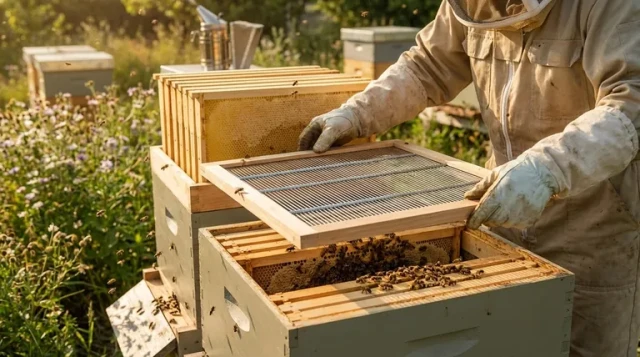
Queen excluders are essential tools for modern beekeepers, but their effectiveness hinges on proper selection and deployment. This guide combines scientific insights with practical field strategies to help you maximize hive productivity while minimizing disruptions.
Understanding Queen Excluder Mechanics
The Science Behind Size-Based Exclusion
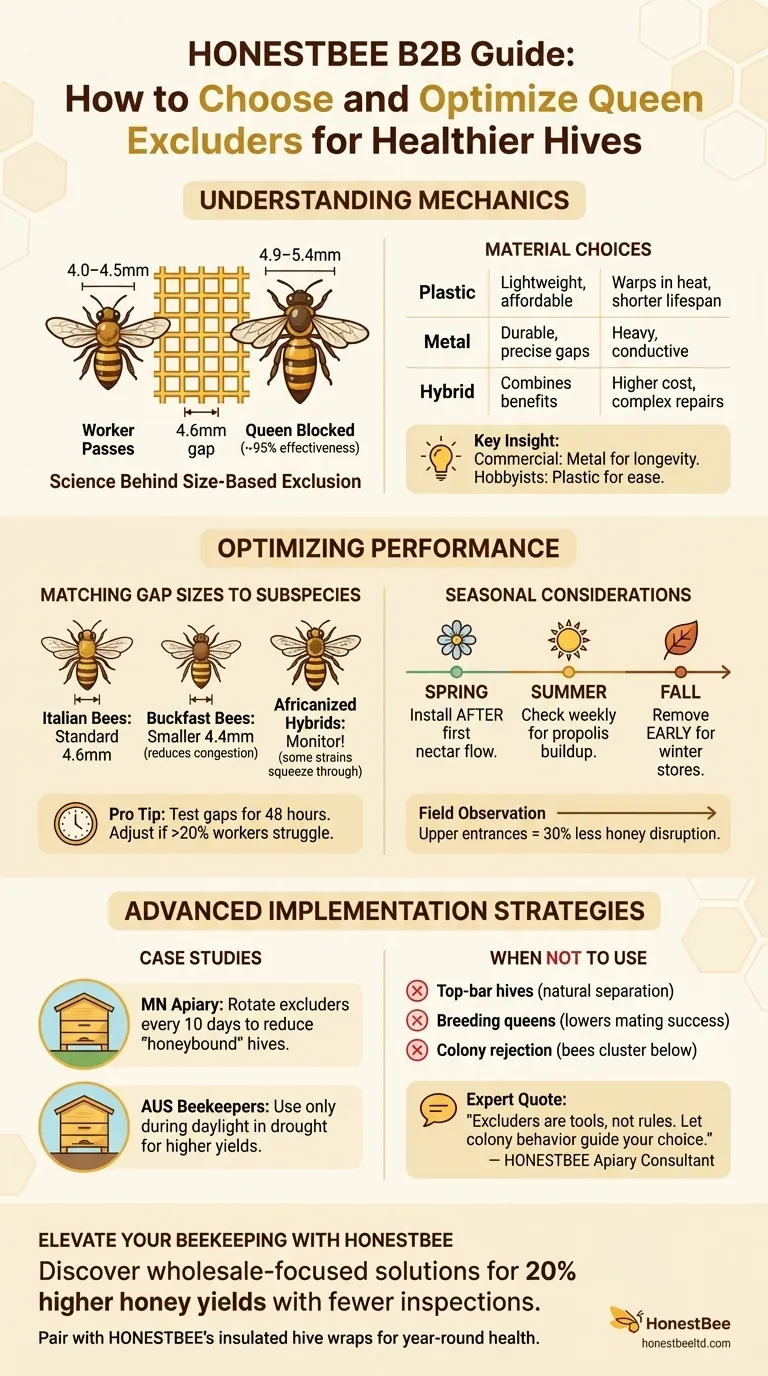
Queen excluders work on a simple principle: worker bees (4.0–4.5 mm thorax width) can pass through gaps, while queens (4.9–5.4 mm) cannot. Research shows that:
- Standard gap sizes (~4.6 mm) effectively block 95% of queens without hindering workers.
- Some subspecies, like Carniolan bees, have slightly smaller workers, requiring adjusted gaps to prevent clogging.
Material Choices: Plastic vs. Metal vs. Hybrid
Each material impacts hive dynamics differently:
| Material | Pros | Cons |
|---|---|---|
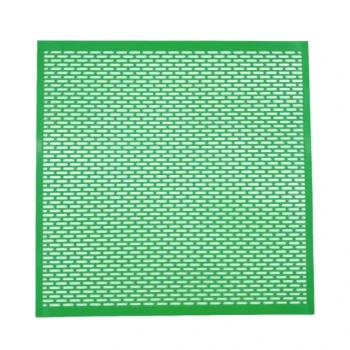
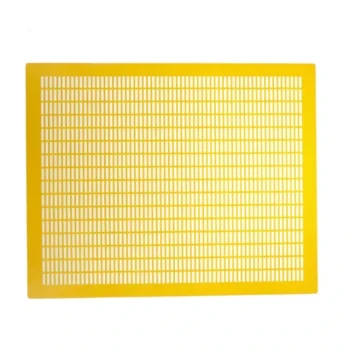
| Plastic | Lightweight, affordable, rust-proof | Warps in heat, shorter lifespan |
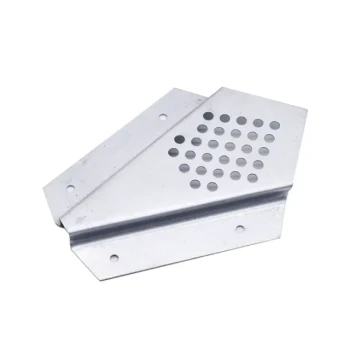
| Metal | Durable, precise gaps, easy to clean | Heavy, conductive (may overheat brood chambers) |
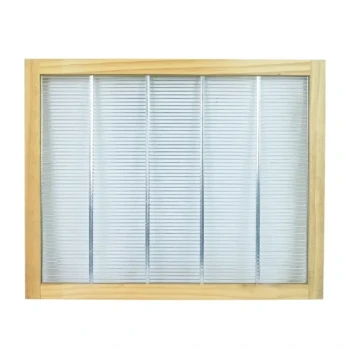
| Hybrid | Combines plastic frames with metal grids | Higher cost, complex repairs |
Key Insight: Commercial apiaries favor metal for longevity, while hobbyists often prefer plastic for ease of handling.
Optimizing Excluder Performance
Matching Gap Sizes to Bee Subspecies
- Italian Bees: Tolerate standard 4.6 mm gaps well.
- Buckfast Bees: Benefit from 4.4 mm gaps to reduce worker congestion.
- Africanized Hybrids: Require monitoring—some strains squeeze through larger gaps.
Pro Tip: Test gaps by observing traffic for 48 hours. If >20% of workers struggle, adjust the excluder.
Seasonal Considerations for Hive Expansion
- Spring: Install excluders after the first nectar flow to avoid trapping the queen below empty supers.
- Summer: Check weekly for propolis buildup, which reduces gap effectiveness by up to 40%.
- Fall: Remove excluders early to let workers relocate honey downward for winter stores.
Field Observation: Colonies with upper entrances above excluders show 30% less honey disruption (see references).
Advanced Implementation Strategies
Preventing Honey Flow Disruption: Case Studies
- Case 1: A Minnesota apiary reduced "honeybound" hives (where bees stop producing due to blocked space) by rotating excluders every 10 days during peak flow.
- Case 2: Australian beekeepers report higher yields when using excluders only during daylight hours in drought conditions.
When Not to Use an Excluder (Expert Opinions)
Avoid excluders if:
✔️ Managing top-bar hives (natural brood/honey separation occurs).
✔️ Breeding queens (restricted movement lowers mating success).
✔️ Colonies show "excluder rejection" (bees cluster below the device).
Expert Quote: "Excluders are tools, not rules. Let colony behavior guide your choice." — HONESTBEE Apiary Consultant
Elevate Your Beekeeping with HONESTBEE
Whether you’re a distributor supplying commercial apiaries or a beekeeper refining hive efficiency, HONESTBEE’s durable excluders and expert support simplify hive management. Discover how our wholesale-focused solutions can help you achieve 20% higher honey yields with fewer inspections.
Next Step: Pair excluders with HONESTBEE’s insulated hive wraps for year-round colony health.
By tailoring excluder use to your bees’ unique needs, you transform a simple grid into a powerhouse of hive productivity. Remember: the best beekeeping adapts to nature, not the other way around.
Products You Might Be Looking For:
View durable wooden queen excluders
Visual Guide
Related Products
- High Performance Plastic Queen Excluder for Beekeeping and Apiary Management
- Professional Plastic Queen Excluder for Modern Beekeeping
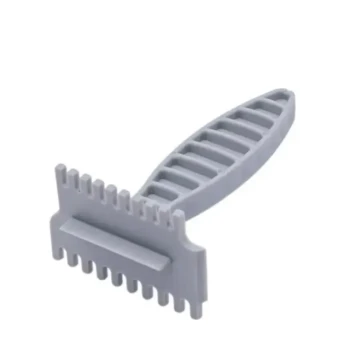
- Lightweight Durable Plastic Queen Excluder Scraper for Beekeeping
- Metal Queen Bee Excluder for Beekeeping
- Premium Wood Framed Metal Wire Queen Bee Excluder
Related Articles
- How Plastic Queen Excluders Improve Hive Longevity and Colony Health
- Plastic Queen Excluders vs. Alternatives: A Beekeeper’s Guide to Smarter Hive Management
- Why Plastic Queen Excluders Outperform Metal and Wood: Science, Savings, and Hive Protection
- How to Choose Queen Excluders Based on Colony Behavior and Queen Traits
- The Geometry of Order: Why the Queen Excluder is a Beekeeper's Most Strategic Tool