For beekeepers, selecting the right queen excluder isn’t just about keeping the queen out of honey supers—it’s about optimizing hive health, operational efficiency, and long-term costs. Whether you prioritize durability, budget constraints, or colony welfare, this guide breaks down the trade-offs between stainless steel, plastic, and other materials to help you make an informed decision.
Understanding Queen Excluder Materials
How Stainless Steel Excluders Perform in Humid Climates
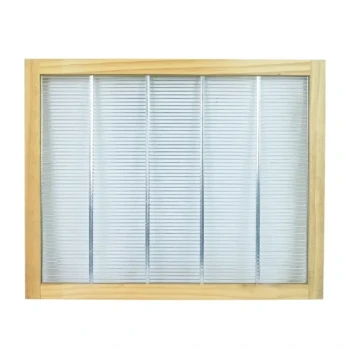
Stainless steel excluders are favored for their longevity, but their performance varies by environment. In humid climates, they resist rust better than cheaper metals, but condensation can still cause minor corrosion over time. Research shows that beekeepers in tropical regions report fewer replacements with stainless steel compared to galvanized options, though upfront costs are higher.
Key considerations:
- Durability: Lasts 5–10 years with proper maintenance.
- Maintenance: Requires occasional cleaning to prevent propolis buildup.
- Bee welfare: Smooth edges minimize injury, but heavier weight may stress hive walls.
Plastic Excluders: When Disposability Outweighs Longevity
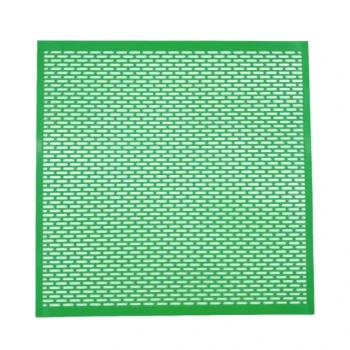
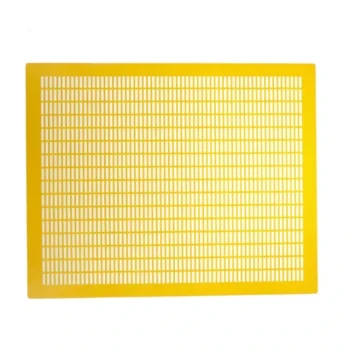
Plastic excluders are lightweight and affordable, making them ideal for migratory beekeepers or those testing new hive configurations. However, they degrade faster under UV exposure and extreme temperatures, often needing replacement every 2–3 seasons.
Trade-offs to note:
- Cost: 30–50% cheaper upfront than stainless steel.
- Convenience: Easy to clean but prone to warping in heat.
- Colony impact: Flexible grids may reduce worker bee abrasion but can sag under heavy honey stores.
Balancing Budget and Hive Productivity
Lifetime Cost Analysis: Upfront vs. Replacement Expenses
While stainless steel excluders cost more initially, their extended lifespan often makes them cheaper over a decade. For example, replacing a plastic excluder three times could equal the price of one stainless steel unit.
Cost comparison (approximate):
| Material | Upfront Cost | Replacement Frequency | 10-Year Cost |
|---|---|---|---|
| Plastic | $–$$ | Every 2–3 years | $$$ |
| Stainless Steel | $$$ | 5–10 years | $$ |
Impact on Honey Harvest Efficiency by Excluder Type
Worker bees navigate some excluders more easily than others. Wider-spaced metal grids may allow faster honey storage but risk letting younger queens slip through. Plastic excluders with precise spacing reduce queen breaches but can slow worker traffic during heavy nectar flows.
Bee-Centric Considerations
Do Metal Grids Restrict Worker Bee Movement?
Studies suggest that bees adapt to metal excluders over time, but initial resistance is common. Colonies may temporarily cluster below the excluder or chew through plastic varieties. Providing an upper entrance above the excluder—a tactic used by commercial apiaries—can ease congestion.
Stress Factors: Weight and Hive Temperature Regulation
Heavier metal excluders may strain hive boxes, especially in stacked setups. Plastic excluders, while lighter, offer less insulation. In colder climates, metal can help retain heat, but in hot regions, it may overheat the brood nest.
Pro tip: Observe your bees’ behavior. Colonies with local queens often need less intervention, while aggressive or wild-caught swarms may benefit from excluders to manage brood expansion.
Ready to Optimize Your Hive?
Choosing the right queen excluder depends on your climate, budget, and bees’ unique needs. For durable, bee-friendly solutions trusted by commercial apiaries, explore HONESTBEE’s range of beekeeping supplies—wholesale-designed to support thriving hives season after season.
Take the next step: Pair your excluder with HONESTBEE’s hive accessories to streamline honey production and colony health monitoring.
Visual Guide

Related Products
- High Performance Plastic Queen Excluder for Beekeeping and Apiary Management
- Professional Plastic Queen Excluder for Modern Beekeeping
- Lightweight Durable Plastic Queen Excluder Scraper for Beekeeping
- Metal Queen Bee Excluder for Beekeeping
- Premium Wood Framed Metal Wire Queen Bee Excluder
Related Articles
- How Plastic Queen Excluders Improve Hive Longevity and Colony Health
- Plastic Queen Excluders vs. Alternatives: A Beekeeper’s Guide to Smarter Hive Management
- Why Plastic Queen Excluders Outperform Metal and Wood: Science, Savings, and Hive Protection
- How to Choose Queen Excluders Based on Colony Behavior and Queen Traits
- The Geometry of Order: Why the Queen Excluder is a Beekeeper's Most Strategic Tool