Beekeepers face a critical decision when integrating queen excluders into their hives. These devices promise simplified honey harvesting and brood management, but their effectiveness depends on operational scale, honey production goals, and ethical considerations. This guide provides a practical framework to evaluate whether queen excluders align with your beekeeping philosophy—whether natural, commercial, or hybrid.
How Hive Scale Dictates Excluder Effectiveness
Queen excluders work best in medium to large-scale operations where efficiency outweighs colony expansion needs. Research shows:
- Small colonies (1–5 hives): Excluders may restrict brood development, reducing overall productivity. Bees in smaller hives often struggle to navigate the barrier, leading to slower honey storage in supers.
- Commercial apiaries (20+ hives): Excluders streamline inspections by confining the queen to brood boxes, saving time during hive checks.
Practical Tip: Colonies with locally bred queens often maintain smaller brood nests naturally, making excluders optional. Wild-caught swarms, however, may overproduce brood and benefit from controlled laying space.
Efficiency vs. Ethics: Honey Yield Gains vs. Colony Welfare
The Productivity Argument
Queen excluders boost honey yields by preventing brood in supers, ensuring harvestable combs remain free of eggs. Beekeepers report:
- 30–50% faster inspections, as queens remain in designated brood chambers.
- Reduced varroa mite pressure in some cases, as smaller brood areas limit mite reproduction.
The Ethical Debate
Natural beekeepers argue excluders:
- Disrupt bees’ natural movement, forcing workers to squeeze through narrow gaps.
- May increase stress, especially in hives with defensive traits (e.g., Africanized bees).
Balanced Approach: Provide an upper entrance above the excluder to reduce bee traffic congestion. Monitor colony behavior—if workers avoid the excluder or show agitation, reconsider its use.
Adapting Excluder Use to Beekeeping Philosophies
1. Natural Beekeeping
Avoid excluders unless managing aggressive swarms. Focus on:
- Local queen genetics that naturally limit brood expansion.
- Top-bar or Warre hives, which discourage excluder use.
2. Commercial Operations
Prioritize excluders for:
- Standardized honey production.
- Large-scale hive inspections (e.g., 100+ hives).
3. Hybrid Systems
Use excluders seasonally:
- Spring/Summer: Deploy to maximize honey flow.
- Fall/Winter: Remove to allow unrestricted cluster movement.
Practical Decision Guide: Key Questions to Assess Your Needs
Ask these questions before adopting queen excluders:
-
What’s your primary goal?
- Maximizing honey harvests → Excluders likely help.
- Promoting natural behaviors → Avoid or limit use.
-
How does your colony behave?
- Bees reluctant to cross the excluder? Re-evaluate placement or remove it.
- Queen frequently found above the excluder? Check for gaps or damage.
-
What’s your hive size?
- Under 10 hives → Monitor productivity before committing.
- Over 20 hives → Test excluders on half your hives to compare outcomes.
Ready to Optimize Your Hive Management?
HONESTBEE’s beekeeping supplies help commercial apiaries and distributors balance efficiency with colony health. Explore our wholesale-focused equipment to find tools that align with your operational scale and ethics.
Final Thought: Queen excluders aren’t inherently good or bad—their value depends on how they’re applied. Whether you prioritize honey yields or natural hive dynamics, the key is observing your bees and adapting accordingly. After all, the best beekeeping decisions are those made at the hive entrance, not the desk.
Products You Might Be Looking For:
View wooden queen excluders for beekeeping
Visual Guide

Related Products
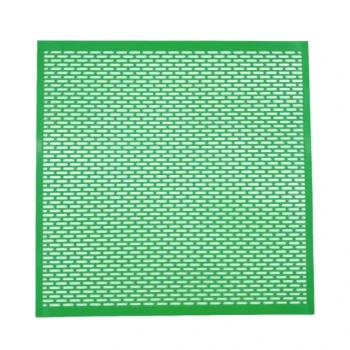
- High Performance Plastic Queen Excluder for Beekeeping and Apiary Management
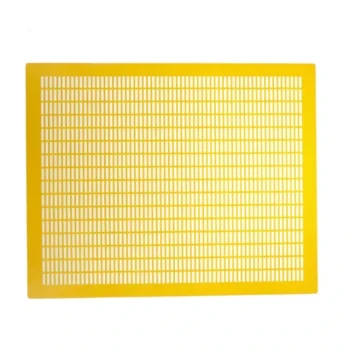
- Professional Plastic Queen Excluder for Modern Beekeeping
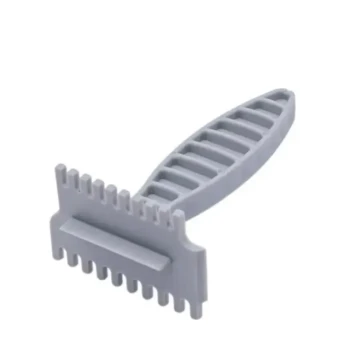
- Lightweight Durable Plastic Queen Excluder Scraper for Beekeeping
- Metal Queen Bee Excluder for Beekeeping
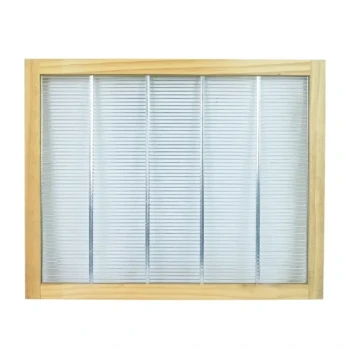
- Premium Wood Framed Metal Wire Queen Bee Excluder
Related Articles
- How Plastic Queen Excluders Improve Hive Longevity and Colony Health
- Plastic Queen Excluders vs. Alternatives: A Beekeeper’s Guide to Smarter Hive Management
- Why Plastic Queen Excluders Outperform Metal and Wood: Science, Savings, and Hive Protection
- How to Choose Queen Excluders Based on Colony Behavior and Queen Traits
- The Geometry of Order: Why the Queen Excluder is a Beekeeper's Most Strategic Tool