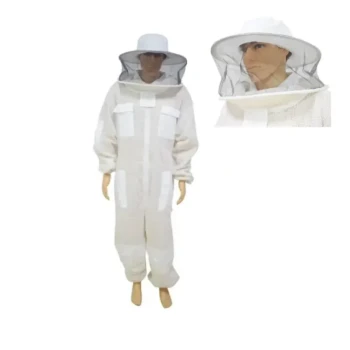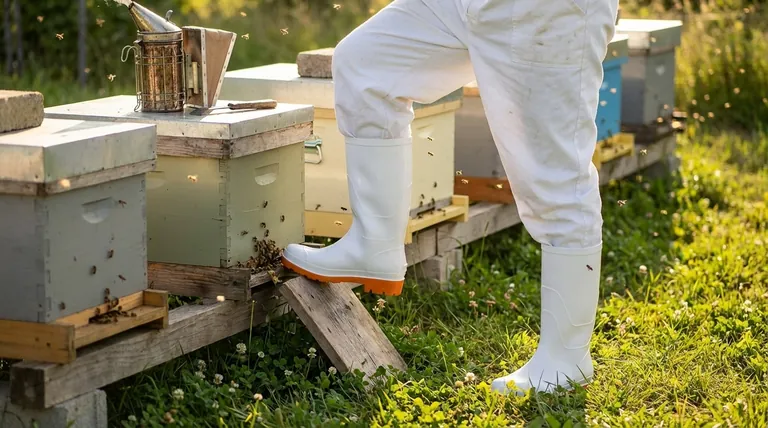
Beekeepers face a unique challenge: finding footwear that offers robust sting protection while remaining practical for long hours of hive work. The wrong shoes can lead to painful stings, reduced mobility, and even long-term injuries. This guide breaks down the critical design features that matter, common mistakes to avoid, and expert-backed recommendations to keep you safe and comfortable.
Choosing Safe Beekeeping Footwear
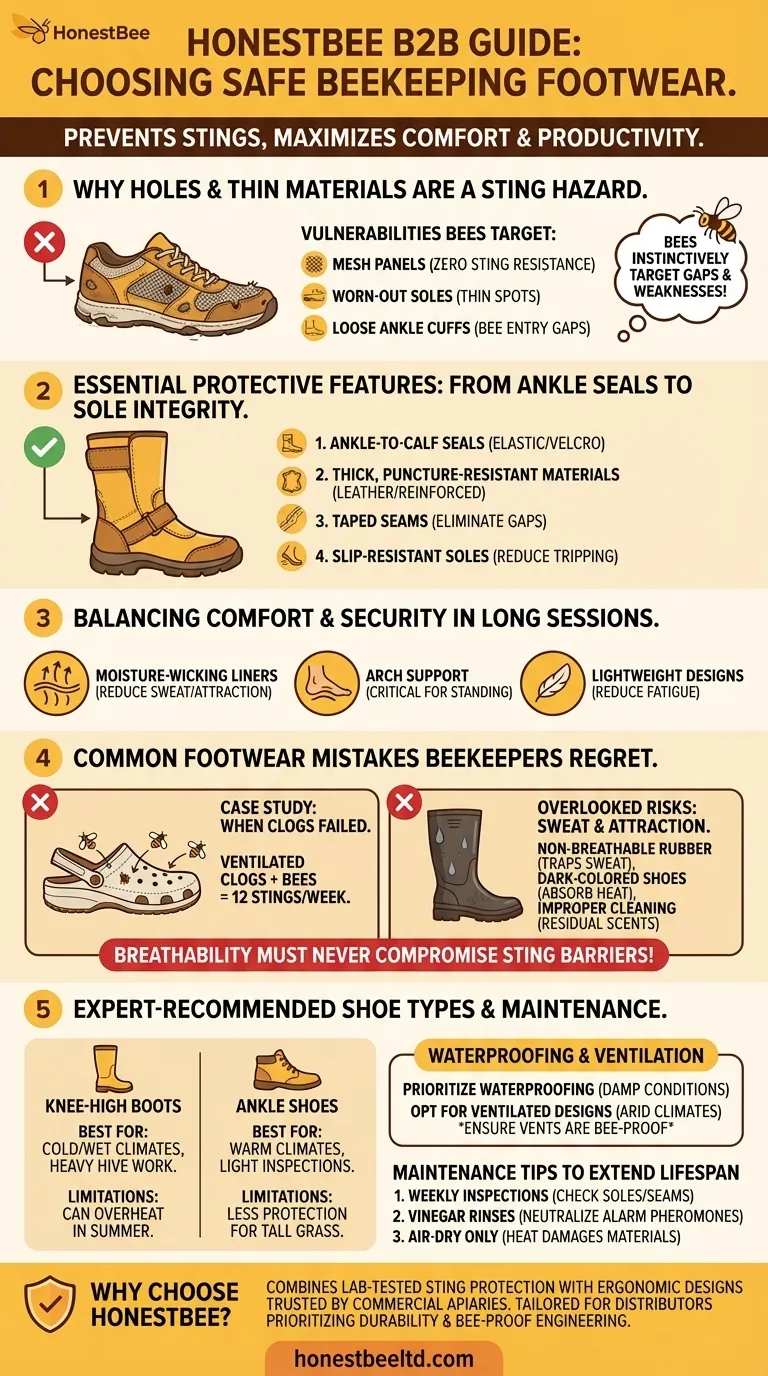
Why Holes and Thin Materials Are a Sting Hazard
Bees instinctively target vulnerabilities—thin fabrics, gaps, or loose seams—making footwear with holes or weak materials a liability. Research shows that over half of beekeepers who experience foot stings attribute them to poorly constructed shoes. Key risks include:
- Mesh panels: While breathable, they offer zero sting resistance.
- Worn-out soles: Thin spots allow stingers to penetrate.
- Loose ankle cuffs: Bees crawl into gaps between shoes and pants.
Essential Protective Features: From Ankle Seals to Sole Integrity
The best beekeeping footwear integrates these non-negotiable elements:
- Ankle-to-calf seals: Elastic or Velcro closures prevent bee entry.
- Thick, puncture-resistant materials: Leather or reinforced synthetics block stingers.
- Taped seams: Eliminate gaps where bees could wedge in.
- Slip-resistant soles: Reduce tripping near hives, which agitates bees.
Balancing Comfort and Security in Long Hive Sessions
Protection shouldn’t mean discomfort. Look for:
- Moisture-wicking liners: Reduce sweat buildup (a bee attractant).
- Arch support: Critical for beekeepers who stand for hours.
- Lightweight designs: Heavy boots cause fatigue, increasing clumsiness.
Common Footwear Mistakes Beekeepers Regret
Case Study: When Clogs Failed – A Beekeeper’s Sting Trauma
A commercial beekeeper in Florida switched to ventilated clogs for summer comfort but suffered 12 foot stings in one week. Bees infiltrated the shoe’s perforations, and the lack of ankle support led to repeated incidents. The takeaway? Breathability must never compromise sting barriers.
Overlooked Risks: Sweat Accumulation and Bee Attraction
Bees are drawn to salt and moisture. Common mistakes that escalate risk:
- Non-breathable rubber boots: Trap sweat, creating ideal conditions for bee agitation.
- Dark-colored shoes: Absorb heat, increasing foot temperature and perspiration.
- Improper cleaning: Residual propolis or honey scents attract bees.
Expert-Recommended Shoe Types and Maintenance
Beekeeping Boots vs. Shoes – Which Suits Your Climate?
| Type | Best For | Limitations |
|---|---|---|
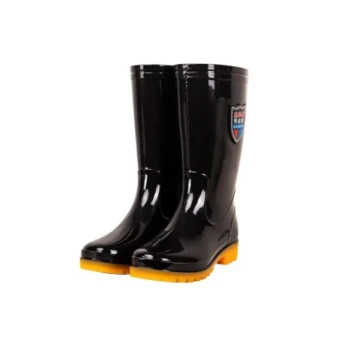
| Knee-high boots | Cold/wet climates; heavy hive work | Can overheat in summer |
| Ankle shoes | Warm climates; light inspections | Less protection for tall grass |
Waterproofing and Ventilation Trade-Offs
- Prioritize waterproofing if you work in dewy mornings or rainy areas (bees are more defensive in damp conditions).
- Opt for ventilated designs in arid climates, but ensure vents are bee-proof (e.g., internal moisture-wicking layers).
Maintenance Tips to Extend Shoe Lifespan
- Weekly inspections: Check for sole wear or seam separation.
- Vinegar rinses: Neutralize alarm pheromones that attract bees.
- Air-dry only: Heat damages protective materials.
Ready to upgrade your hive safety? HONESTBEE’s beekeeping footwear line combines lab-tested sting protection with ergonomic designs trusted by commercial apiaries. Explore wholesale options tailored for distributors who prioritize durability and bee-proof engineering.
Visual Guide
Related Products
- White PVC Beekeeping Shoes with Non-Slip Safety Sole
- Professional PVC Beekeeping Shoes with Integrated Non-Slip Sole
- Premium Cotton Beekeeper Suit with Reinforced Fencing Veil
- Beekeeping Jacket with Hood and Veil for Beekeepers
- White Cotton Beekeeping Jacket and Veil for Bee Keepers
Related Articles
- How to Choose Beekeeping Shoes That Keep You Cool and Protected
- How to Choose Beekeeping Shoes: Safety Features That Actually Work
- How to Choose Beekeeping Boots: Safety, Durability, and Comfort Criteria Explained
- How to Choose Beekeeping Footwear That Stops Stings Without Sacrificing Comfort
- How to Choose Beekeeping Footwear: Safety, Comfort, and Cost Considerations