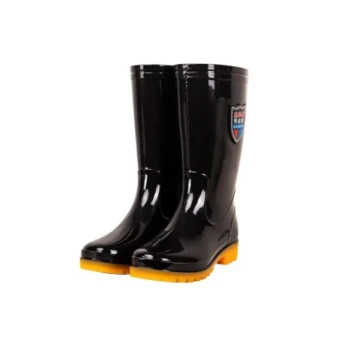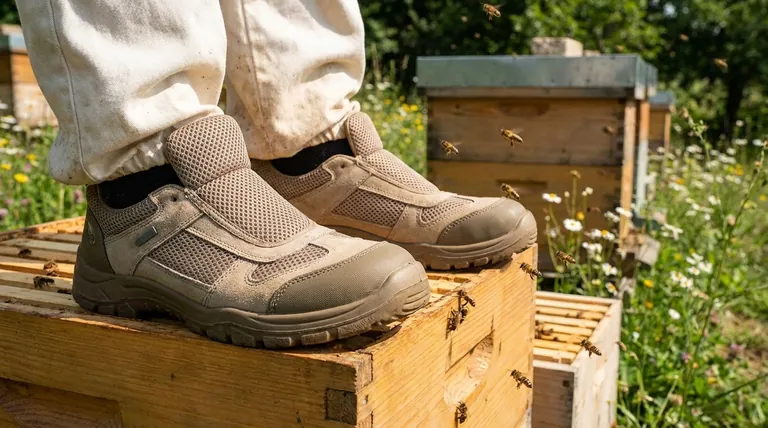
Beekeeping footwear must strike a delicate balance: allowing airflow to prevent overheating while providing reliable sting protection. This guide explores the science behind optimal beekeeping shoe design, material innovations, and climate-specific selection strategies—helping you stay safe and comfortable during hive inspections.
The Critical Role of Ventilation in Apiary Safety
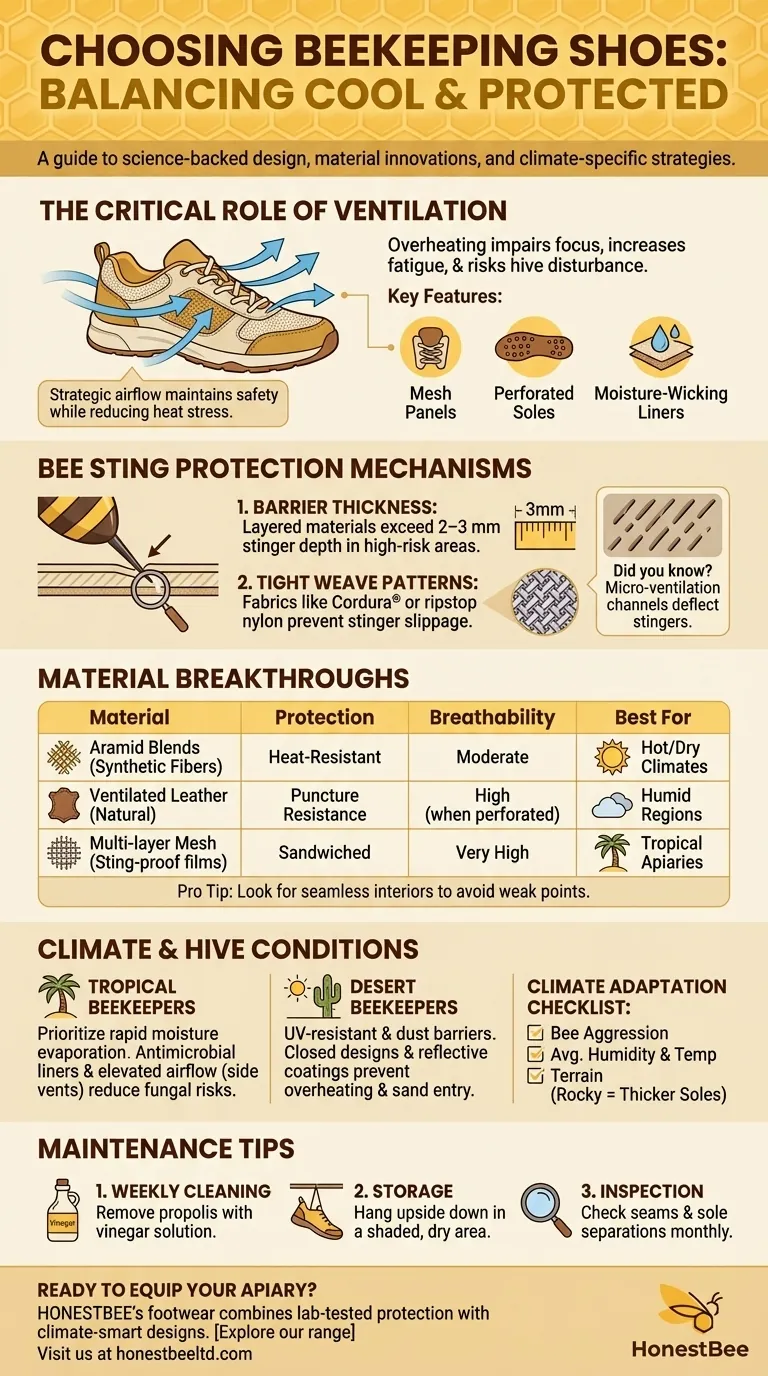
Overheating isn’t just uncomfortable—it can impair focus and reaction time when handling bees. Research shows that beekeepers working in poorly ventilated footwear experience reduced dexterity and increased fatigue, raising the risk of accidental hive disturbances.
Key ventilation features to prioritize:
- Mesh panels in non-critical zones (e.g., shoe tongues)
- Perforated soles that allow heat to escape upward
- Moisture-wicking liners to prevent sweat buildup
A common misconception is that thicker materials always offer better protection. In reality, strategic airflow zones maintain safety while reducing heat stress.
How Bee Sting Protection Works in Footwear Design
Bee sting-resistant shoes rely on two primary defense mechanisms:
- Barrier thickness: Worker bee stingers can penetrate approximately 2–3 mm of fabric. Quality footwear uses layered materials that exceed this depth in high-risk areas (ankles, toes).
- Tight weave patterns: Fabrics like Cordura® or ripstop nylon prevent stingers from slipping between fibers, even when stretched.
Did you know? Some designs incorporate micro-ventilation channels—tiny, angled perforations that allow air circulation but deflect stingers due to their oblique angles.
Material Breakthroughs: Breathable Fabrics That Block Stingers
Recent advancements merge protection with comfort:
| Material | Protection Mechanism | Breathability Level | Best For |
|---|---|---|---|
| Aramid blends | Heat-resistant synthetic fibers | Moderate | Hot/dry climates |
| Ventilated leather | Natural puncture resistance | High (when perforated) | Humid regions |
| Multi-layer mesh | Sandwiched sting-proof films | Very high | Tropical apiaries |
Pro Tip: Look for seamless interiors. Stitched seams can create weak points where sweat accumulates and stingers may penetrate.
Choosing the Right Shoe for Your Climate and Hive Conditions
Case Study: Beekeepers in Tropical vs. Desert Regions
- Tropical beekeepers prioritize rapid moisture evaporation. Shoes with antimicrobial liners and elevated airflow (e.g., side vents) reduce fungal risks.
- Desert beekeepers need UV-resistant materials and dust barriers. Closed designs with reflective coatings prevent overheating while keeping sand out.
Climate adaptation checklist:
☑ Bee aggression level (Africanized bees may require thicker barriers)
☑ Average humidity and temperature during inspections
☑ Terrain (rocky areas demand thicker soles)
Maintenance Tips to Preserve Ventilation and Durability
- Weekly cleaning: Remove propolis buildup with a vinegar solution—clogged pores reduce breathability.
- Storage: Hang shoes upside down in a shaded, dry area to prevent material warping.
- Inspection: Check for compromised seams or sole separations monthly—even minor gaps can admit stingers.
Final thought: The best beekeeping shoes function like a second skin—protective yet unobtrusive, adapting silently to your environment as you work.
Ready to Equip Your Apiary?
HONESTBEE’s beekeeping footwear combines lab-tested protection with climate-smart designs, trusted by commercial apiaries worldwide. Explore our range to find your perfect balance of safety and comfort.
Visual Guide
Related Products
- White PVC Beekeeping Shoes with Non-Slip Safety Sole
- Professional PVC Beekeeping Shoes with Integrated Non-Slip Sole
- Yellow Plastic Bucket Pail Perch for Beekeeping
- Wholesales Dadant Size Wooden Bee Hives for Beekeeping
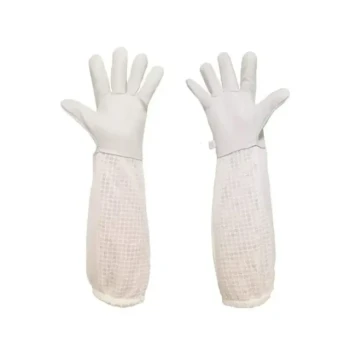
- Beekeeping Gloves Goatskin Leather with Long Cotton Sleeve for Beekeepers
Related Articles
- How to Choose Beekeeping Shoes: Safety Features That Actually Work
- How to Choose Beekeeping Boots: Safety, Durability, and Comfort Criteria Explained
- How to Choose Beekeeping Footwear That Stops Stings Without Sacrificing Comfort
- How to Choose Beekeeping Footwear That Prevents Stings Without Sacrificing Comfort
- How to Choose Beekeeping Footwear: Safety, Comfort, and Cost Considerations