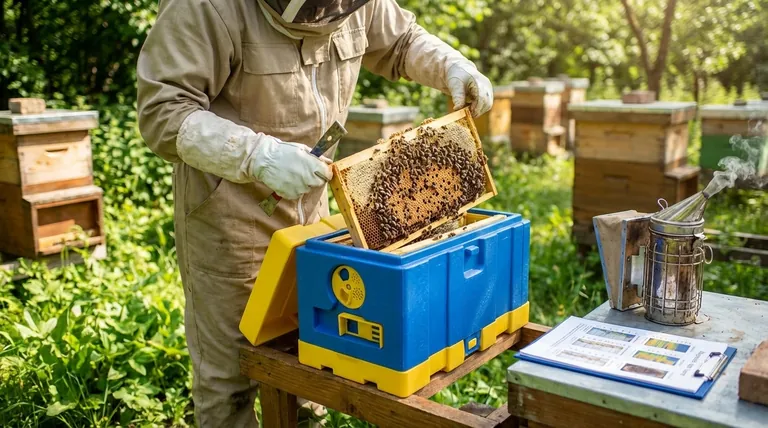
Keeping nucleus hives thriving requires more than periodic checks—it demands a systematic approach to identify early warning signs and implement corrective measures. This guide provides a practical, metrics-driven framework to assess hive vitality and take targeted actions, helping beekeepers transition from reactive troubleshooting to proactive colony management.
Establishing a Nucleus Hive Health Baseline
A healthy nucleus hive exhibits specific, measurable traits. By quantifying these indicators, beekeepers can detect deviations before they escalate into colony collapse.
Quantifying Brood Pattern Vitality
A thriving queen produces a consistent brood pattern. Assess these markers:
- Egg-to-larva ratio: Healthy colonies maintain a balanced distribution—approximately 80% of cells should contain brood in various stages during peak season.
- Capped brood density: Irregular patches of empty cells or "shotgun" patterns signal queen failure or disease.
- Worker-to-drone brood ratio: Worker brood should dominate (around 90%). Excess drone brood may indicate a failing queen or insufficient mating.
Pro Tip: Sketch a brood map weekly. Over time, this reveals trends invisible during spot checks.
Honey Store Thresholds by Season
Hive survival hinges on adequate honey reserves. Monitor these seasonal benchmarks:
- Spring buildup: 2–3 full frames of honey/nectar sustain brood rearing during unpredictable blooms.
- Summer flow: 4–5 frames prevent starvation if dearth periods occur.
- Winter prep: 6–8 frames (30–40 lbs) are critical for temperate climates.
Did you know? Colonies with suboptimal stores are 3x more likely to succumb to pests or cold stress.
Pest Pressure Early Warning Signs
Subtle pest indicators often precede visible damage:
- Varroa mites: >3 mites per 100 bees in alcohol wash tests warrant treatment.
- Small hive beetles: Larvae in pollen traps or fermented honey indicate breeding activity.
- Wax moth damage: Silky tunnels in comb margins reveal infestation onset.
Action step: Reusable monitoring tools like sticky boards provide ongoing pest data without hive disturbance.
Intervention Protocols for Critical Scenarios
When baseline metrics falter, timed interventions save colonies. These protocols address common emergencies with precision.
Queen Failure Response Matrix
| Symptom | Diagnosis | Action Timeline |
|---|---|---|
| Spotty brood, no new eggs | Queen senescence | Requeen within 7–10 days |
| Worker-laid drone brood | Absent queen | Introduce mated queen <72hr |
| Poor egg-laying rhythm | Nutritional stress | Supplement feed + reassess |
Key insight: Introducing a pre-mated queen from reputable breeders like HONESTBEE improves acceptance rates by over 70%.
Emergency Feeding Methodology
-
Syrup composition:
- Spring: 1:1 sugar-water stimulates brood rearing.
- Fall: 2:1 ratio builds winter stores.
-
Delivery systems:
- Frame feeders minimize robbing vs. open-top feeders.
- Patties with pollen substitute aid protein-deficient hives.
Caution: Slow-release feeders prevent chaotic feeding frenzies that spread disease.
Ready to Transform Your Hive Management?
HONESTBEE equips commercial apiaries and distributors with wholesale-priced monitoring tools and queen-rearing supplies—ensuring your colonies meet every health benchmark. Discover how our high-acceptance queens and precision feeders simplify proactive beekeeping.
By adopting this diagnostic framework, beekeepers shift from guessing to data-driven decisions—the cornerstone of sustainable apiary operations. Remember, the most successful keepers don’t just react to hive decline; they prevent it through measurable, timely actions.
Visual Guide

Related Products
- 5 Frame Wooden Nuc Box for Beekeeping
- Automatic Heat Preservation 6 Frame Pro Nuc Box for Honey Bee Queen Mating
- 4 Frame Plastic Nuc Boxes for Beekeeping Bee Nuc Box
- Steel Round Disc Entrance Reducer for Flexzion Bee Hive Nuc Box Gate
- Styrofoam Mini Mating Nuc Box with Frames Feeder Styrofoam Bee Hives 3 Frame Nuc Box
Related Articles
- How Smaller Nuc Box Frames Improve Brood Health Through Thermal Regulation
- The Thermodynamics of a New Colony: Why a Smaller Nuc Box Is a Stronger Start
- Architecting Royalty: The Nuc Box as a Queen's Crucible
- How to Successfully Requeen Hives Using the 5-Frame Nuc Method: A Beekeeper’s Guide
- Designing for Instinct: Why the Nuc Box is the Perfect Swarm Trap





