Beekeepers know a thriving colony starts with a productive queen. But how can you accurately assess her performance without disruptive hive inspections? Brood pattern analysis offers a non-invasive window into queen health, colony vitality, and environmental stressors. This guide delivers actionable steps to decode brood patterns, spot early warning signs, and implement corrective measures—equipping you with skills used by commercial apiaries worldwide.
Ensuring Queen Acceptance and Productivity
The Role of Brood Patterns in Colony Health
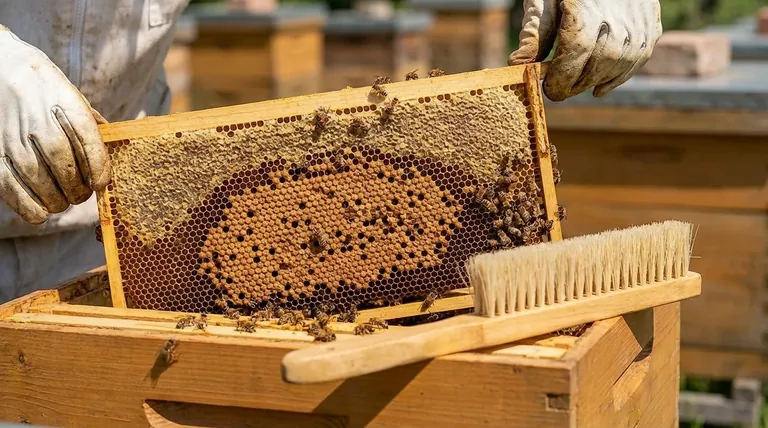
A queen’s genetic quality and mating success manifest in her brood’s organization. Healthy queens produce tight, concentric brood circles with minimal gaps, while irregular patterns signal potential issues. Research shows colonies with uniform brood layouts exhibit:
- Higher honey yields (up to 30% more than struggling colonies)
- Improved disease resistance due to efficient nurse bee coverage
- Lower swarming tendencies as pheromone distribution remains consistent
Step-by-Step Hive Inspection Protocol
- Timing Matters: Inspect during peak foraging hours (10 AM–2 PM) to minimize disruption.
- Frame Evaluation: Lift frames vertically, noting brood distribution across 3+ frames.
-
Pattern Mapping: Look for:
- Ideal: 80–90% cell occupancy with capped worker brood in a "bullseye" formation
- Concerning: Random empty cells, scattered drone brood, or <50% occupancy
Pro Tip: Track patterns over 2–3 inspections to distinguish one-time stressors from chronic queen issues.
Diagnosing Queen Performance Through Brood
Identifying Healthy vs. Irregular Layouts
| Pattern Type | Indicators | Queen Health Implication |
|---|---|---|
| Compact Worker Brood | Solid capped cells, minimal gaps | High fertility, proper mating |
| Spotty Brood | Isolated brood patches, >15% empty cells | Declining sperm stores or disease |
| Drone Congestion | Drone brood in worker cells | Poor mating or failing queen |
Common Red Flags and Their Causes
- "Shotgun" Brood: Patchy uncapped larvae may indicate Varroa mite stress or nutritional deficits.
- Broodless Queen: Active queen with no eggs suggests environmental toxins or temperature extremes.
- Supercedure Cells: Queen cells amid healthy brood signal natural replacement—monitor before intervening.
Case Example: A Montana apiary corrected 70% of "failing queen" diagnoses by first testing for pesticide exposure—revealing contaminated pollen as the true culprit.
Intervention Strategies for Queen Issues
When and How to Requeen
Act within 7–10 days if you observe:
- Persistent spotty brood after environmental fixes
- Declining population despite adequate resources
- Multiple supersedure cells with poor brood patterns
Best Practices:
- Source queens from local, mite-resistant stock (adaptation matters).
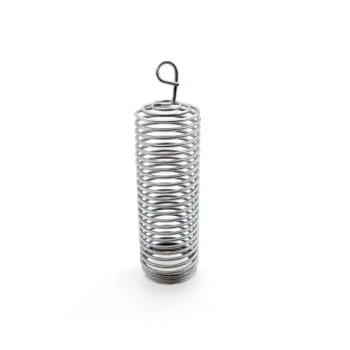
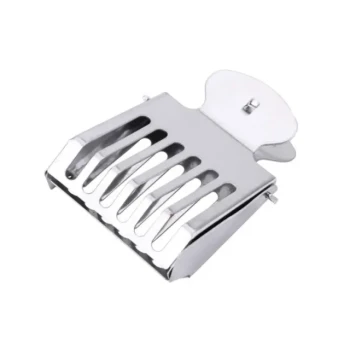
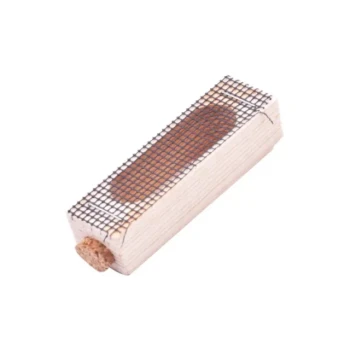
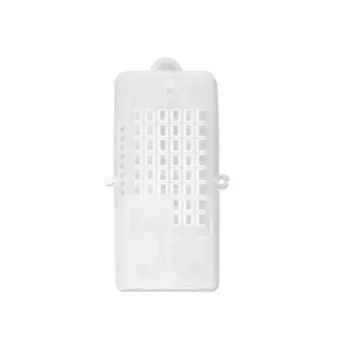
- Introduce using a slow-release cage to ensure acceptance.
- Post-requeening, monitor for egg laying within 48 hours.
Addressing Environmental and Disease Factors
- Nutrition: Supplement with HONESTBEE’s pollen patties during dearth periods to sustain brood rearing.
- Varroa Control: Test mite loads monthly; thresholds above 2–3 mites/100 bees require treatment.
- Hive Placement: Ensure shade in summer and windbreaks in winter to stabilize brood nest temps.
Ready to Elevate Your Apiary’s Success?
HONESTBEE equips commercial beekeepers and distributors with high-quality hive tools and queen-rearing kits designed for precision diagnostics. Discover how our wholesale solutions help you maintain thriving colonies—season after season. [Contact our team] for bulk pricing on essential beekeeping supplies.
By mastering brood pattern analysis, you transform hive inspections from guesswork into actionable insights—safeguarding your colony’s future while optimizing productivity.
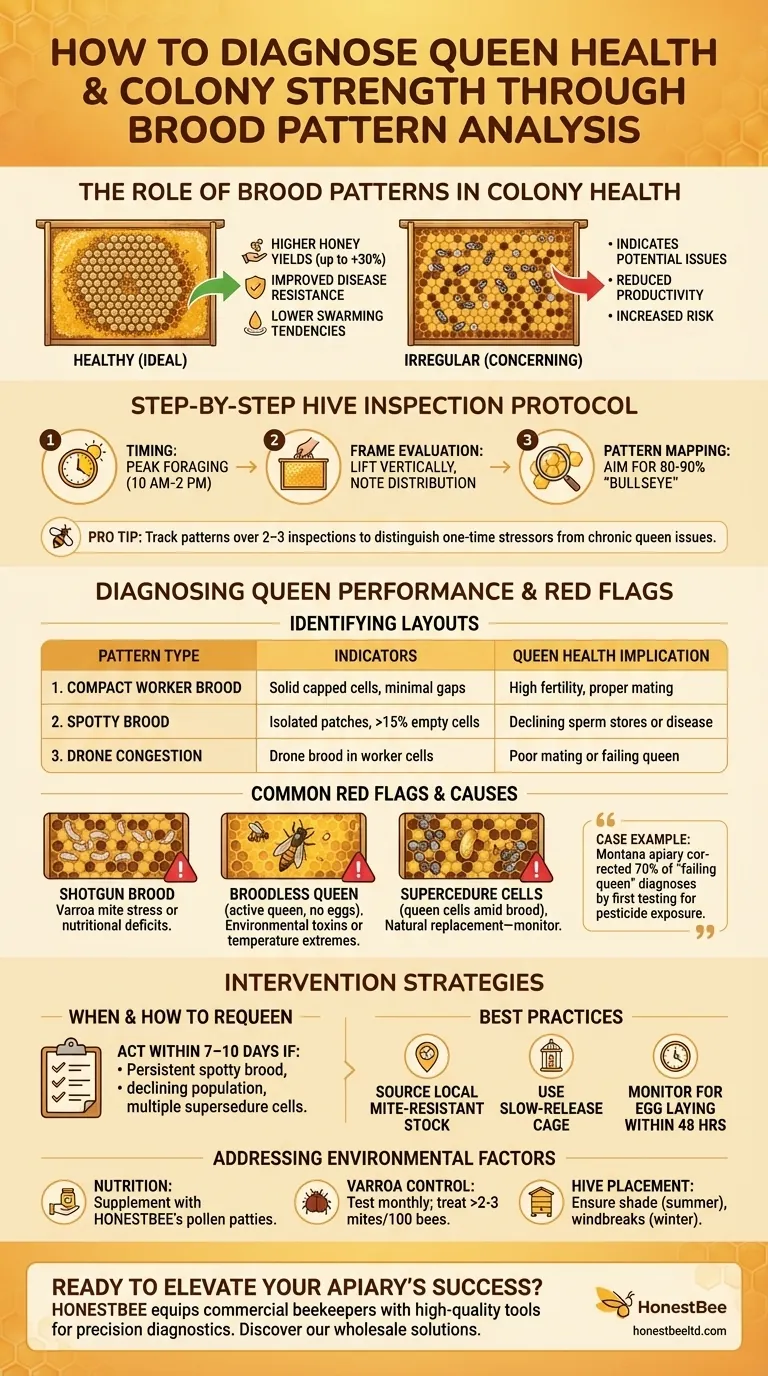
Visual Guide
Related Products
- Professional Queen Catcher and Introduction Queen Cage
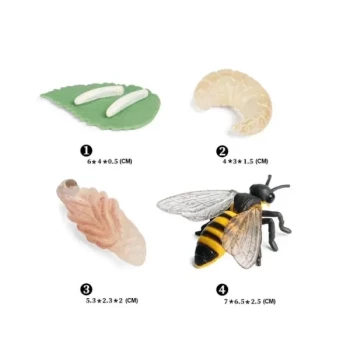
- Honey Bee Lifecycle Model: A Detailed Honeycomb Display of Bee Development
- Modern Flat-Mount Hive Number Set for Beekeeping
- Premium Nicot Style Queen Rearing Kit with Hair Roller Bee Cages
- Professional Large-Format Hive Number Set for Beekeeping
Related Articles
- Maximizing Queen Cage Value: A Beekeeper's Guide to Safe Reuse & Long-Term Savings
- An Engineered Truce: The Psychology of the Queen Cage
- The Beekeeper's Strategic Guide to Queen Catchers: Hive Management & Safety
- Engineering Acceptance: Why the JZ-BZ Queen Cage is More Than Just a Box
- A Timed Release of Power: The Social Engineering of the Queen Cage