Sustainable honey harvesting isn’t just about yield—it’s about protecting your bees while ensuring every drop of honey is retrieved efficiently. Triangle escape boards offer a chemical-free solution that aligns with colony health, making them indispensable for ethical beekeepers.
Sustainable Honey Harvesting Fundamentals
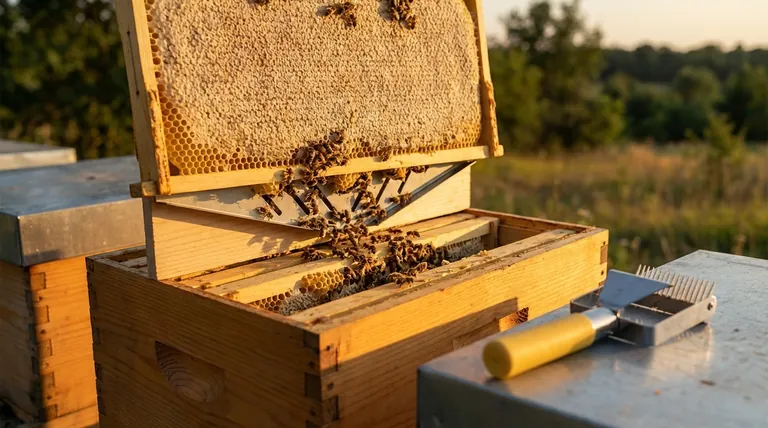
Modern beekeeping prioritizes methods that minimize stress on colonies. Escape boards, particularly the triangle design, leverage natural bee behavior to evacuate honey supers without manual intervention or harmful chemicals.
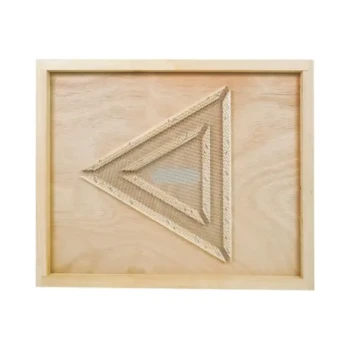
Anatomy of Triangle Escape Boards
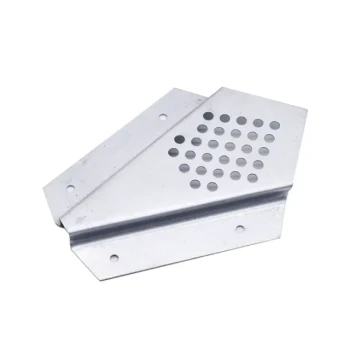
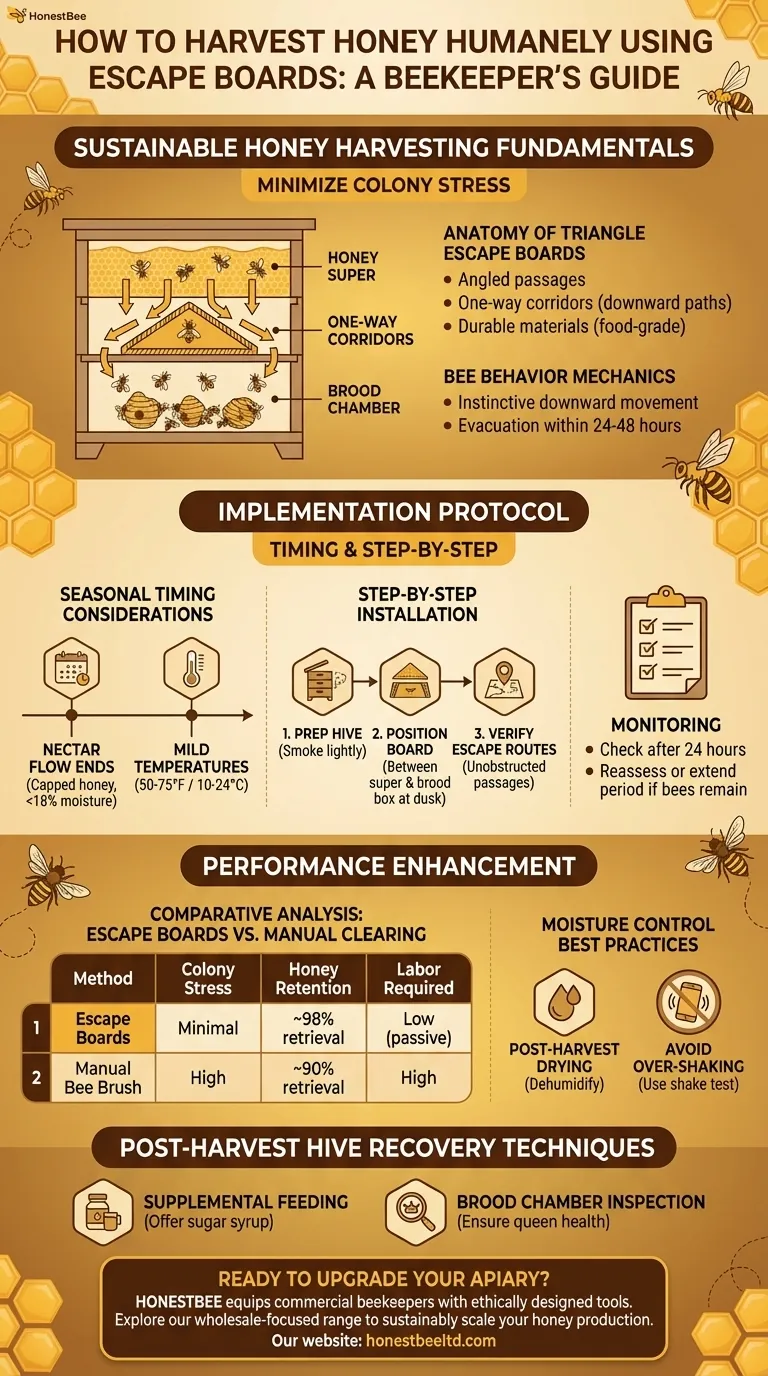
These boards feature angled passages that allow bees to exit the honey super but prevent re-entry. Key components include:
- One-way corridors: Bees follow downward paths to the brood chamber but can’t navigate back up.
- Durable materials: Often made from food-grade plastic or wood to withstand hive conditions.
Bee Behavior Mechanics in Evacuation
Bees instinctively move downward when displaced. Research shows that colonies typically evacuate a honey super within 24–48 hours when escape boards are correctly installed. This aligns with their natural tendency to cluster in the brood nest during cooler periods.
Implementation Protocol
Seasonal Timing Considerations
Harvest when:
- Nectar flow has ended, indicated by fully capped honey cells (use a refractometer to confirm moisture levels below 18%).
- Temperatures are mild (ideally 50–75°F / 10–24°C) to ensure bees remain active but not aggressive.
Step-by-Step Board Installation
- Prep the hive: Smoke lightly to calm bees.
- Position the board: Place it between the honey super and brood box at dusk when foraging activity is low.
- Verify escape routes: Ensure passages are unobstructed by propolis or wax.
Monitoring Colony Movement Patterns
Check after 24 hours. If bees remain in the super:
- Reassess passage clarity.
- Extend the evacuation period by 12-hour increments.
Performance Enhancement
Comparative Analysis: Escape Boards vs. Manual Clearing
| Method | Colony Stress | Honey Retention | Labor Required |
|---|---|---|---|
| Escape Boards | Minimal | ~98% retrieval | Low (passive) |
| Manual Bee Brush | High | ~90% retrieval | High |
Moisture Control Best Practices
- Post-harvest drying: Let supers sit briefly in a dehumidified space if humidity exceeds 60%.
- Avoid over-shaking: Uncapped cells can increase moisture; use the shake test to confirm readiness.
Post-Harvest Hive Recovery Techniques
- Supplemental feeding: Offer sugar syrup to replenish energy reserves, especially pre-winter.
- Brood chamber inspection: Ensure queen health and comb integrity before resealing the hive.
Ready to Upgrade Your Apiary?
HONESTBEE equips commercial beekeepers and distributors with ethically designed tools that prioritize bee welfare and operational efficiency. Explore our wholesale-focused range to sustainably scale your honey production.
Visual Guide
Related Products
- HONESTBEE Wooden Bee Escape Board with Triangle Mesh Design for Beekeeping
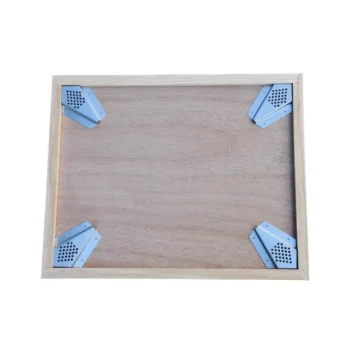
- HONESTBEE 4-Way Metal Corner Wooden Bee Escape Board
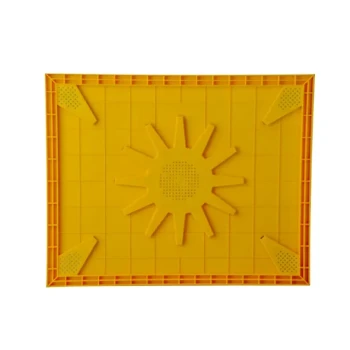
- HONESTBEE Multi Exit Plastic Bee Escape Board for Efficient Honey Harvesting
- High-Efficiency Diamond Maze Bee Escape for Clearing Supers
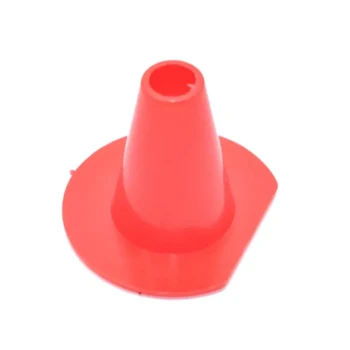
- Professional Cone Style Bee Escape for Efficient Honey Harvesting
Related Articles
- The Quiet Choreography: Mastering the Bee Escape Board for a Systemic Harvest
- How Bee Escape Boards Enable Ethical Honey Harvests Without Colony Stress
- Engineering Empathy: The Quiet Genius of the Bee Escape Board
- Beyond the 24-Hour Rule: The Psychology of the Bee Escape Board
- The Engineer's Gambit: Why Your Bee Escape Board Fails