For beekeepers, harvesting honey should be rewarding—not a battle against defensive bees. Traditional methods like brushing or blowing often agitate colonies and risk harming workers. Research shows escape boards remove ~95% of bees passively, making them the gold standard for humane, efficient honey super clearing. Here’s how to leverage this tool for smoother harvests.
Escape Boards: The Beekeeper’s Tool for Stress-Free Honey Harvesting
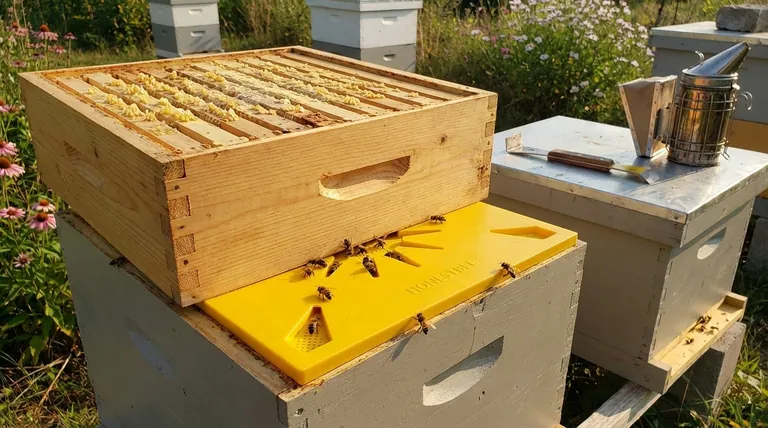
Escape boards exploit bees’ natural behavior. Unlike forced removal, these devices act as one-way exits: bees leave the super to rejoin the colony but can’t return. This method:
- Preserves bee health by minimizing physical contact
- Saves time—no need to manually brush each frame
- Reduces honey contamination from agitated bees
Did you know? A study observed only ~10 bees remaining in supers after 36 hours of escape board use.
How Escape Boards Work: One-Way Exits and Bee Behavior
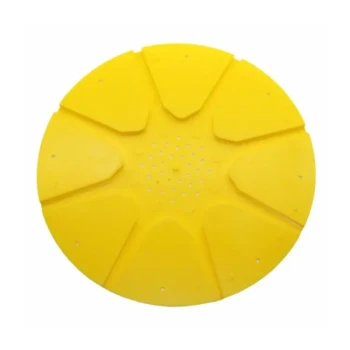
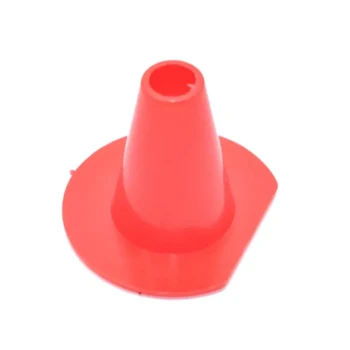
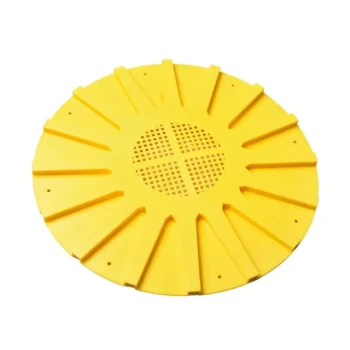
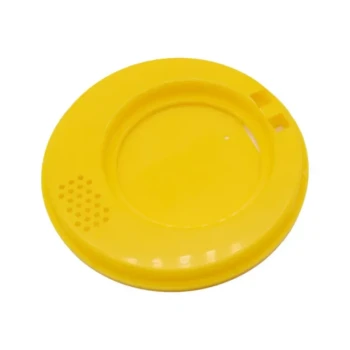
Bees exiting the super navigate through angled passages or mesh flaps (designs vary by model). Key principles:
- Foraging instinct: Bees prioritize returning to the brood nest. Once out, they focus on colony duties rather than re-entering.
- Temporal factors: Most bees evacuate within 24–48 hours. Nurse bees may stay if brood is present, requiring supplemental steps.
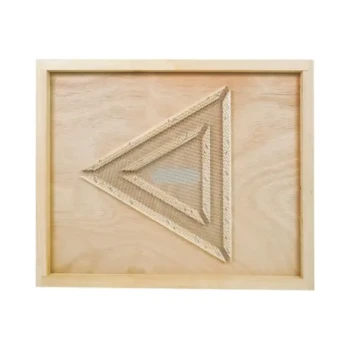
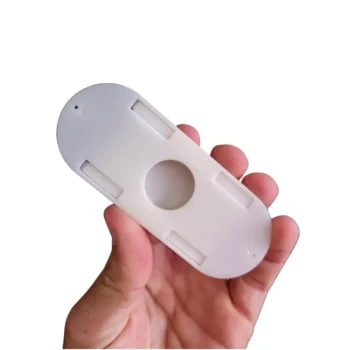
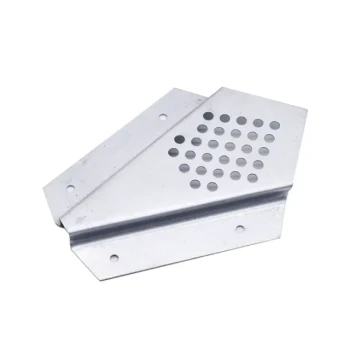
Pro Tip: Langstroth-compatible models like triangle or 8-way boards suit most hives. Match the design to your frame spacing.
Escape Boards vs. Brushing or Blowing: Efficiency and Bee Welfare Compared
| Method | Bee Stress Level | Time Investment | Honey Purity Risk |
|---|---|---|---|
| Escape Board | Low | Passive (24–48h) | Minimal |
| Brushing | High | 30+ mins/super | Moderate (defensive bees may defecate) |
| Air Blowing | Extreme | 15 mins/super | High (can blow debris into cells) |
Real-world insight: Commercial apiaries report 20% faster harvest prep when switching to escape boards, with fewer stings during extraction.
Optimizing Effectiveness: Timing, Installation, and Residual Bee Management
Installation Checklist:
- Place the board between the brood box and honey super in late afternoon when foraging activity slows.
- Ensure a tight seal—bees will exploit gaps to re-enter.
- Check after 24 hours. If >50 bees remain, extend to 36 hours max (longer durations encourage bees to find alternate routes).
For stubborn residuals:
- Gently shake frames over the hive entrance to dislodge nurse bees.
- Avoid leaving boards on >48 hours—bees may starve if trapped without honey access.
Advanced Tips: Combining Escape Boards with Fume Boards or Multiple-Day Strategies
For near-total clearance:
- Dual-phase approach: Use an escape board for 24 hours, then a non-toxic fume board (like those with almond oil) for final bee evacuation.
- Multi-super systems: Rotate boards between supers over 2–3 days, allowing bees to consolidate in the brood chamber.
Safety note: Always wear protective gear during final checks—even 10 bees can deliver painful reminders!
Harvest More Honey with Less Hassle
Escape boards transform a chaotic chore into a predictable process. By working with bee instincts instead of against them, you protect your colony’s health while securing pristine honey.
Ready to upgrade your harvests? HONESTBEE’s wholesale beekeeping supplies help commercial apiaries and distributors operate efficiently—from durable escape boards to full extraction systems. Explore our solutions today and taste the difference stress-free harvesting makes.
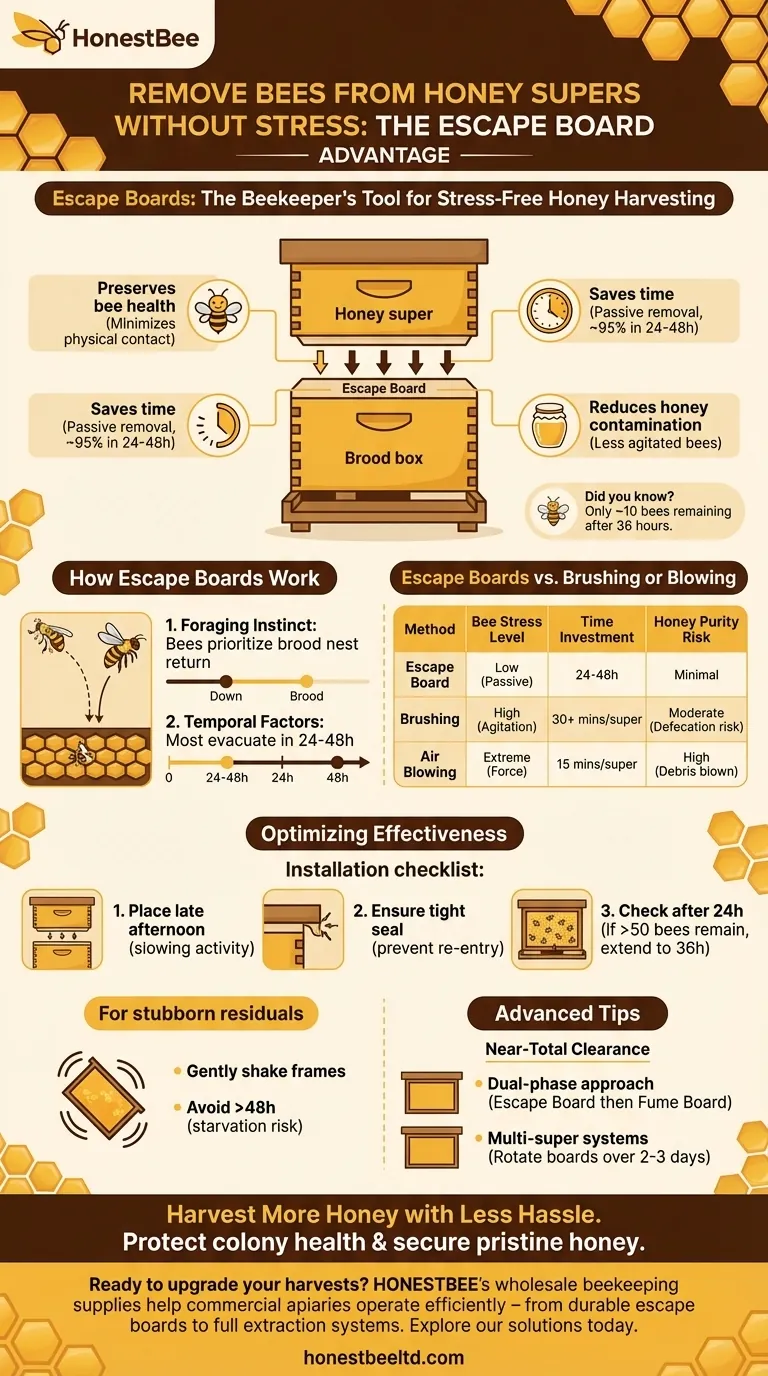
Visual Guide
Related Products
- HONESTBEE Wooden Bee Escape Board with Triangle Mesh Design for Beekeeping
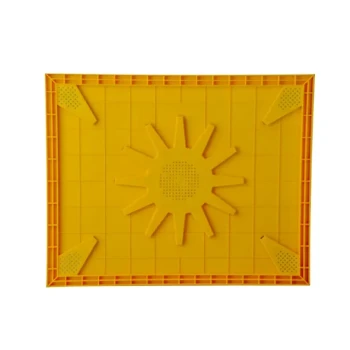
- HONESTBEE Multi Exit Plastic Bee Escape Board for Efficient Honey Harvesting
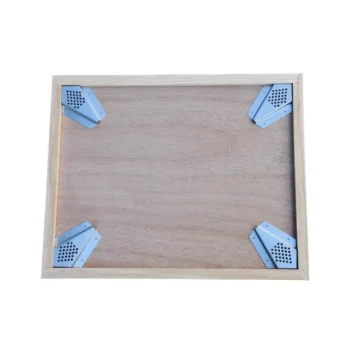
- HONESTBEE 4-Way Metal Corner Wooden Bee Escape Board
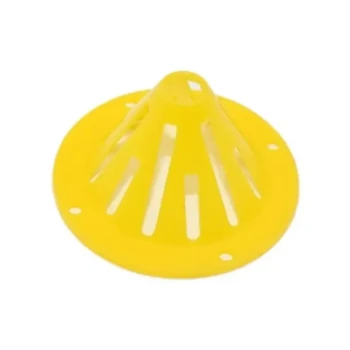
- Slatted Porter Style Bee Escape for Rapid Hive Clearing
- Efficient Hive Clearing: HONESTBEE 8-Way Plastic Bee Escape
Related Articles
- The Quiet Choreography: Mastering the Bee Escape Board for a Systemic Harvest
- How Bee Escape Boards Enable Ethical Honey Harvests Without Colony Stress
- Engineering Empathy: The Quiet Genius of the Bee Escape Board
- Beyond the 24-Hour Rule: The Psychology of the Bee Escape Board
- The Engineer's Gambit: Why Your Bee Escape Board Fails