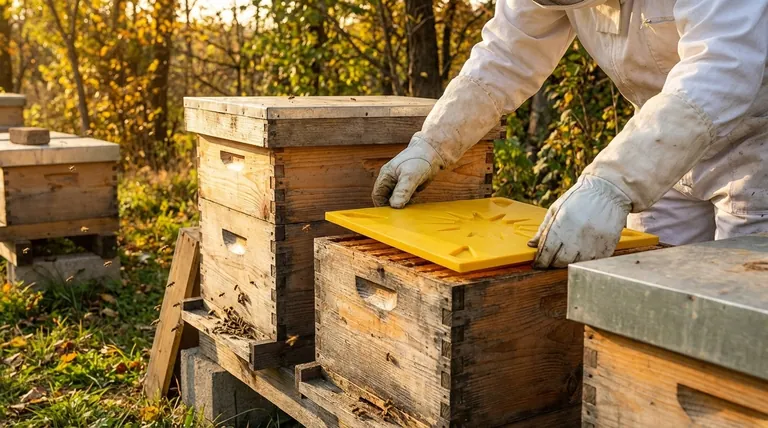
Beekeepers face a constant balancing act: managing hive health while maximizing honey production. The triangle bee escape board, when used strategically, can significantly improve both outcomes. This guide combines scientific insights with practical field techniques to help you deploy this tool effectively—boosting efficiency while safeguarding your colony's wellbeing.
Understanding Bee Behavior and Temperature Dynamics
Honeybees don’t just react to temperature changes—they anticipate them. Their survival depends on precise thermoregulation, and this behavior directly impacts how escape boards should be deployed.
The Thermodynamics of Hive Migration
Research shows honeybees cluster tightly in cold weather, vibrating wing muscles to generate heat. As temperatures drop below 50°F (10°C), they instinctively migrate upward toward stored honey reserves. This natural movement is why triangle escape boards work best in cooler conditions—bees actively seek pathways upward, funneling through the board’s opening.
In contrast, hot weather triggers evaporative cooling behaviors. Bees collect water to spread across comb surfaces, making escape boards less effective during summer months when colonies prioritize ventilation over upward movement.
Critical Temperature Ranges for Effective Deployment
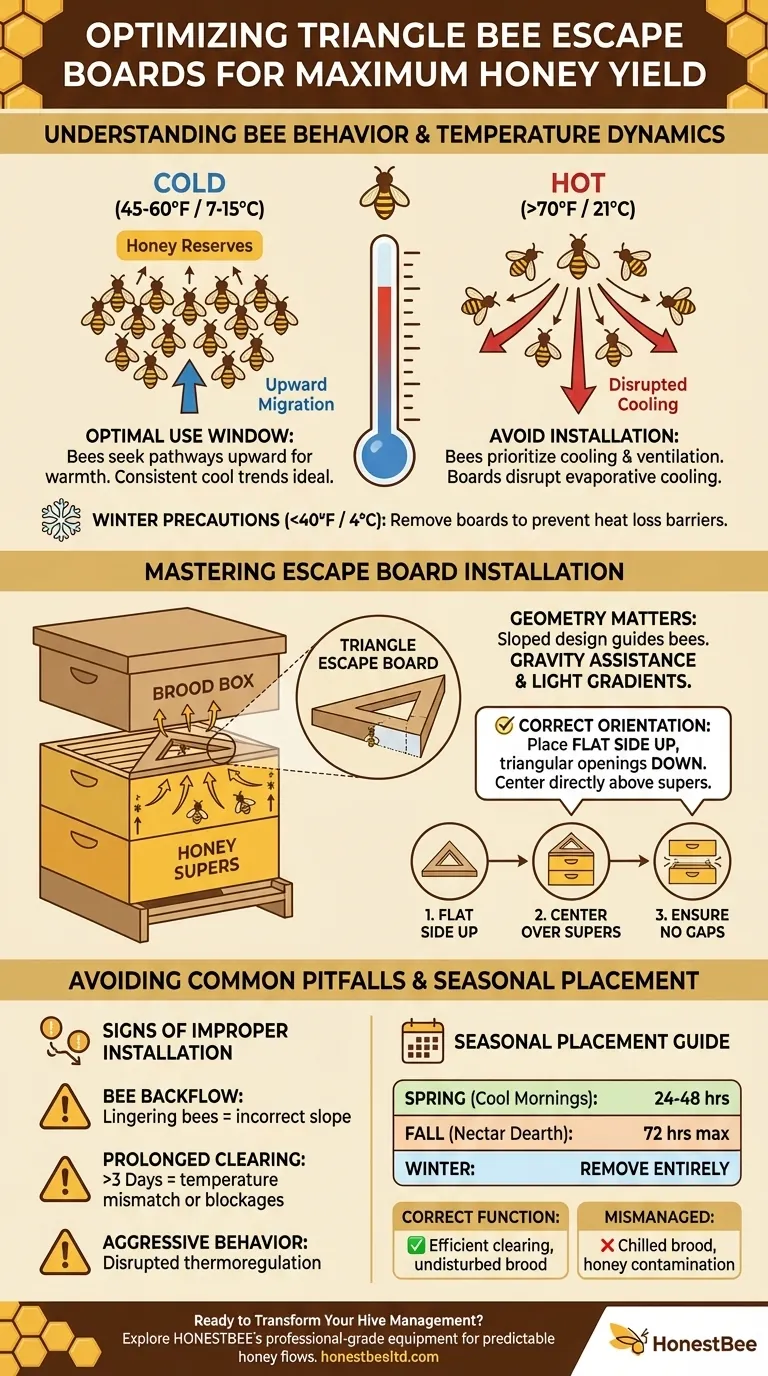
- Optimal Use Window: 45–60°F (7–15°C) – aligns with bees’ upward honey-seeking behavior
- Avoid Installation: Above 70°F (21°C) – risks disrupting cooling efforts
- Winter Precautions: Below 40°F (4°C), ensure boards don’t obstruct cluster heat retention
Pro Tip: Monitor local forecasts for consistent 3-day temperature trends before installation.
Mastering Escape Board Installation
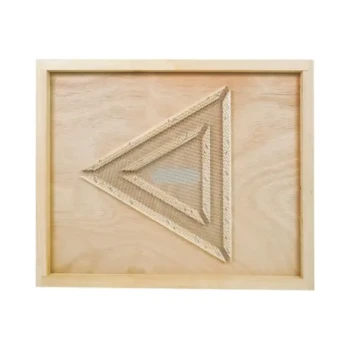
Geometry isn’t just about angles—it’s about leveraging physics to guide bee movement. A properly oriented board creates a one-way system that harmonizes with colony instincts.
Orientation Mechanics: Why Geometry Matters
The triangle escape board’s sloped design exploits two key principles:
- Gravity Assistance: Bees moving upward can easily pass through the triangular opening, while returning bees encounter a downward-sloping surface that discourages re-entry.
- Light Gradients: Bees naturally move toward light sources. Positioning the board’s wide opening toward darker hive areas enhances directional flow.
Installation must follow this sequence:
- Place the board flat side up, triangular openings facing downward
- Center directly above honey supers you intend to clear
- Ensure no gaps exist where bees could bypass the board
Step-by-Step Seasonal Placement Guide
| Season | Placement Strategy | Duration |
|---|---|---|
| Spring | Install during cool mornings (50–55°F) to clear early supers | 24–48 hrs |
| Fall | Use during nectar dearth to encourage brood box consolidation | 72 hrs max |
| Winter | Remove entirely to prevent heat loss barriers | N/A |
Case Study: A Vermont apiary increased honey recovery by 30% by aligning board use with autumn cold fronts.
Avoiding Common Operational Pitfalls
Even experienced beekeepers encounter these issues. Recognizing early warning signs prevents colony stress and honey loss.
Signs of Improper Board Installation
- Bee Backflow: Workers lingering above the board indicates incorrect slope orientation
- Prolonged Clearing Time: Over 3 days suggests temperature mismatch or blocked passages
- Aggressive Bee Behavior: Defensive buzzing signals disrupted hive thermoregulation
Impact on Brood Patterns and Honey Stores
When escape boards function correctly:
✅ Honey supers clear efficiently with minimal bee casualties
✅ Brood nests remain undisturbed, maintaining population stability
When mismanaged:
❌ Chilled brood from excessive heat loss (visible as spotty, discolored larvae)
❌ Honey contamination from dead bees trapped in supers
Ready to Transform Your Hive Management?
HONESTBEE’s professional-grade beekeeping equipment helps commercial apiaries and distributors achieve predictable honey flows while reducing labor costs. Explore our wholesale solutions designed for beekeepers who value science-backed efficiency.
Final Tip: Pair triangle escape boards with insulated hive wraps during transitional seasons to stabilize internal temperatures and reduce stress on the colony.
Visual Guide
Related Products
- HONESTBEE Wooden Bee Escape Board with Triangle Mesh Design for Beekeeping
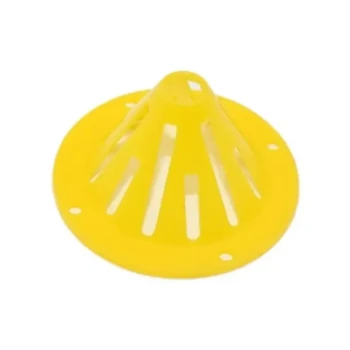
- Professional Cone Style Bee Escape for Efficient Honey Harvesting
- HONESTBEE 4-Way Metal Corner Wooden Bee Escape Board
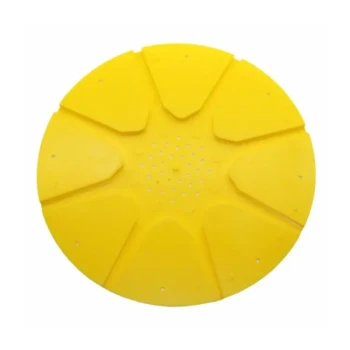
- HONESTBEE Multi Exit Plastic Bee Escape Board for Efficient Honey Harvesting
- High-Efficiency Diamond Maze Bee Escape for Clearing Supers
Related Articles
- The Quiet Choreography: Mastering the Bee Escape Board for a Systemic Harvest
- How Bee Escape Boards Enable Ethical Honey Harvests Without Colony Stress
- Engineering Empathy: The Quiet Genius of the Bee Escape Board
- Beyond the 24-Hour Rule: The Psychology of the Bee Escape Board
- The Engineer's Gambit: Why Your Bee Escape Board Fails