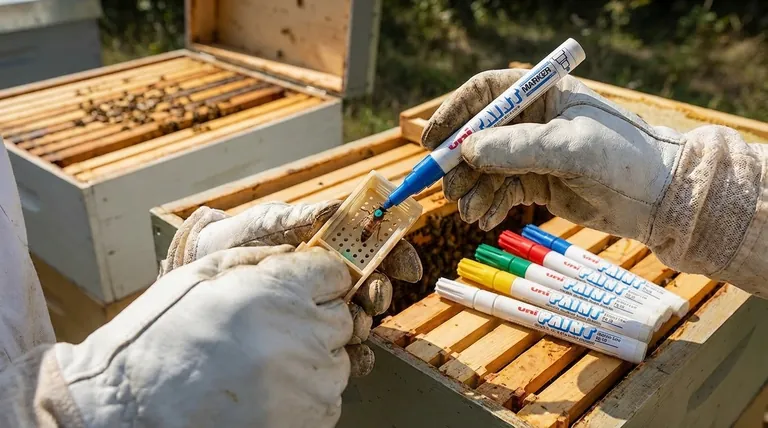
Queen marking is a fundamental practice in modern beekeeping, but improper post-marking care can jeopardize colony health. This guide reveals the biological and behavioral factors that determine queen viability after marking—equipping beekeepers with protocols to boost survival rates.
Queen Marking Aftercare Essentials
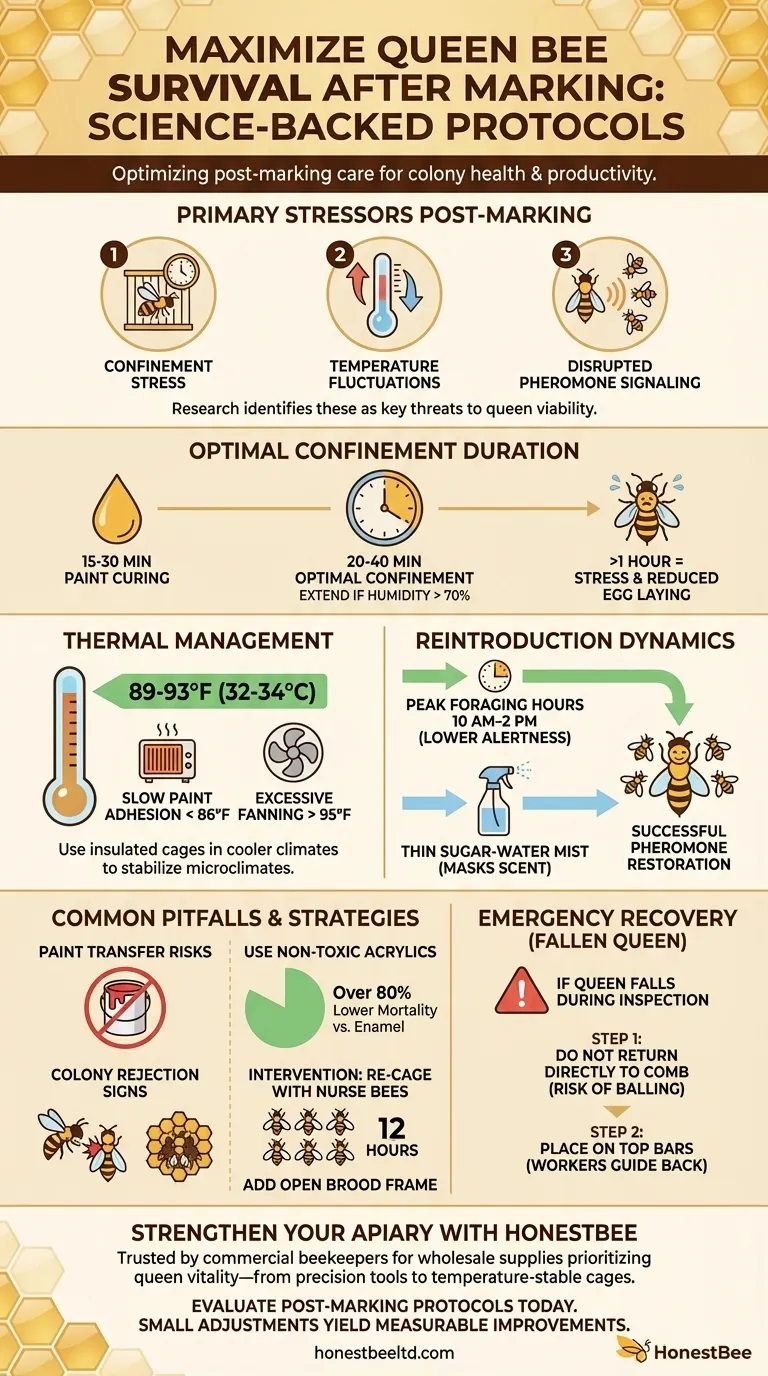
Marking queens simplifies hive management by providing visual identification amidst thousands of worker bees. However, the hours following marking are critical. Research shows that queens face three primary stressors during this period: confinement stress, temperature fluctuations, and disrupted pheromone signaling.
The Critical Role of Confinement Duration
- Why it matters: Fresh paint requires 15–30 minutes to cure. Premature release risks smearing and paint ingestion by worker bees.
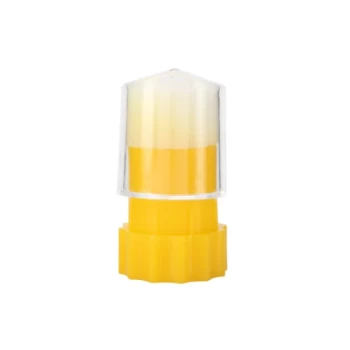
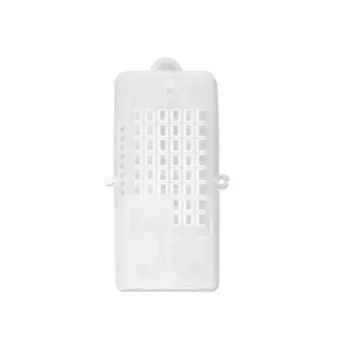
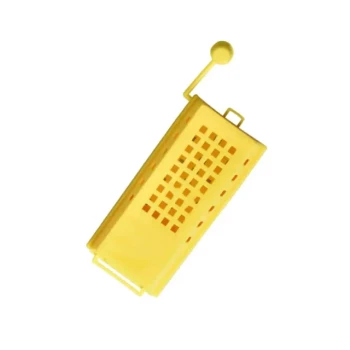
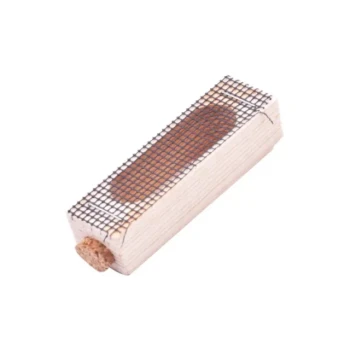
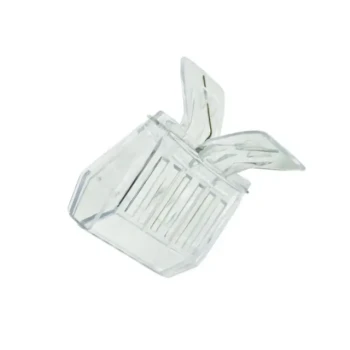
- Optimal protocol: Confine the queen in a well-ventilated cage for 20–40 minutes. Extend duration if humidity exceeds 70%, as moisture delays drying.
- Biological insight: Prolonged confinement (>1 hour) triggers stress responses, reducing egg-laying efficiency.
Thermal Management During Paint Curing
Queen metabolism slows below 86°F (30°C), delaying paint adhesion. Yet, excessive heat (>95°F/35°C) causes workers to fan the queen excessively, increasing paint transfer risks.
Solution:
- Maintain hive temperatures between 89–93°F (32–34°C) during curing.
- Use insulated cages in cooler climates to stabilize microclimates.
Reintroduction Dynamics in Hive Hierarchy
A marked queen’s reintroduction success hinges on pheromone restoration. Worker bees assess her scent profile; any deviation may trigger rejection.
Key steps:
- Reintroduce during peak foraging hours (10 AM–2 PM), when colony alertness is lowest.
- Apply a thin sugar-water mist to the queen and hive entrance to mask residual paint odors.
Common Pitfalls and Mitigation Strategies
Paint Transfer Risks to Worker Bees
Toxic paint ingestion by workers can destabilize the colony. Studies indicate non-toxic, water-based acrylics reduce mortality by over 80% compared to enamel paints.
Prevention:
- Verify paint dryness by gently blotting the queen with a clean swab before release.
- Limit colorant volume—a dot smaller than 1.5mm diameter suffices.
Colony Rejection Warning Signs
Watch for:
- Aggressive worker behavior: Bees pulling or biting the queen.
- Isolation clusters: Workers forming tight circles around the queen without attending to her.
Intervention:
- Re-cage the queen with 5–10 nurse bees for 12 hours to reestablish pheromone bonds.
- Add a frame of open brood to the cage; brood pheromones suppress worker aggression.
Emergency Recovery for Fallen Queens
If the queen falls during inspection:
- Do not return her directly to the comb. Worker bees may perceive her as injured and ball her (overheat her to death).
- Place her on the hive’s top bars and let workers guide her back naturally.
Strengthen Your Apiary’s Future with HONESTBEE
Commercial beekeepers and distributors trust HONESTBEE for wholesale beekeeping supplies that prioritize queen vitality—from precision-marking tools to temperature-stable cages. Invest in equipment designed to minimize stress and maximize colony productivity.
Next Step: Evaluate your post-marking protocols today. Small adjustments in handling can yield measurable improvements in queen acceptance and longevity.
Visual Guide
Related Products
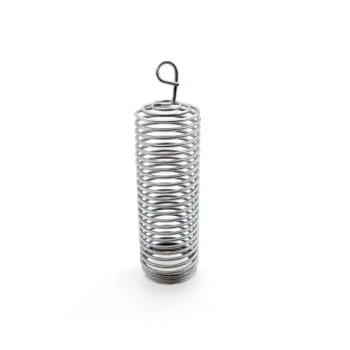
- Durable Galvanized Steel Spring Queen Bee Cage
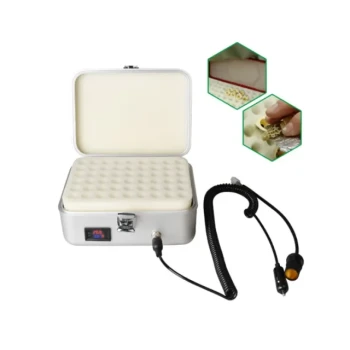
- Portable Queen Bee Incubator with 12V Car Adapter for Safe Transport
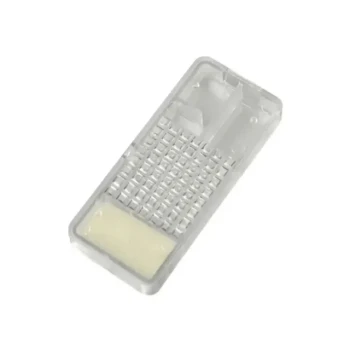
- Professional Queen Bee Introduction and Transport Cage
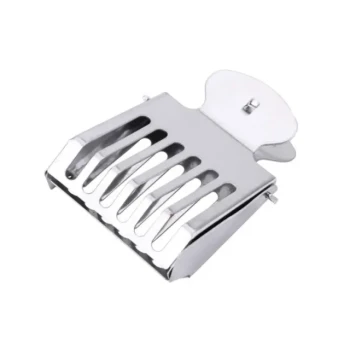
- Heavy Duty Stainless Steel Queen Bee Catcher Clip
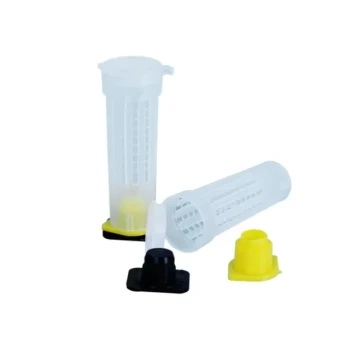
- Queen Bee Catcher Plastic Bee Marker Bottle with Piston Marking Tube
Related Articles
- An Engineered Truce: The Psychology of the Queen Cage
- Maximizing Queen Cage Value: A Beekeeper's Guide to Safe Reuse & Long-Term Savings
- A Timed Release of Power: The Social Engineering of the Queen Cage
- The Queen Cage's Ledger: A Systems Approach to Apiary Biosecurity
- The Diplomatic Interface: Why Queen Cage Maintenance is a Study in Risk Management