Requeening is one of the most impactful yet underutilized practices in modern apiculture. When done correctly, it can transform struggling hives into thriving ecosystems. This guide distills years of field-tested methods into actionable steps for commercial beekeepers and distributors seeking to improve colony health, productivity, and genetic resilience.
Why Requeening Matters for Colony Survival
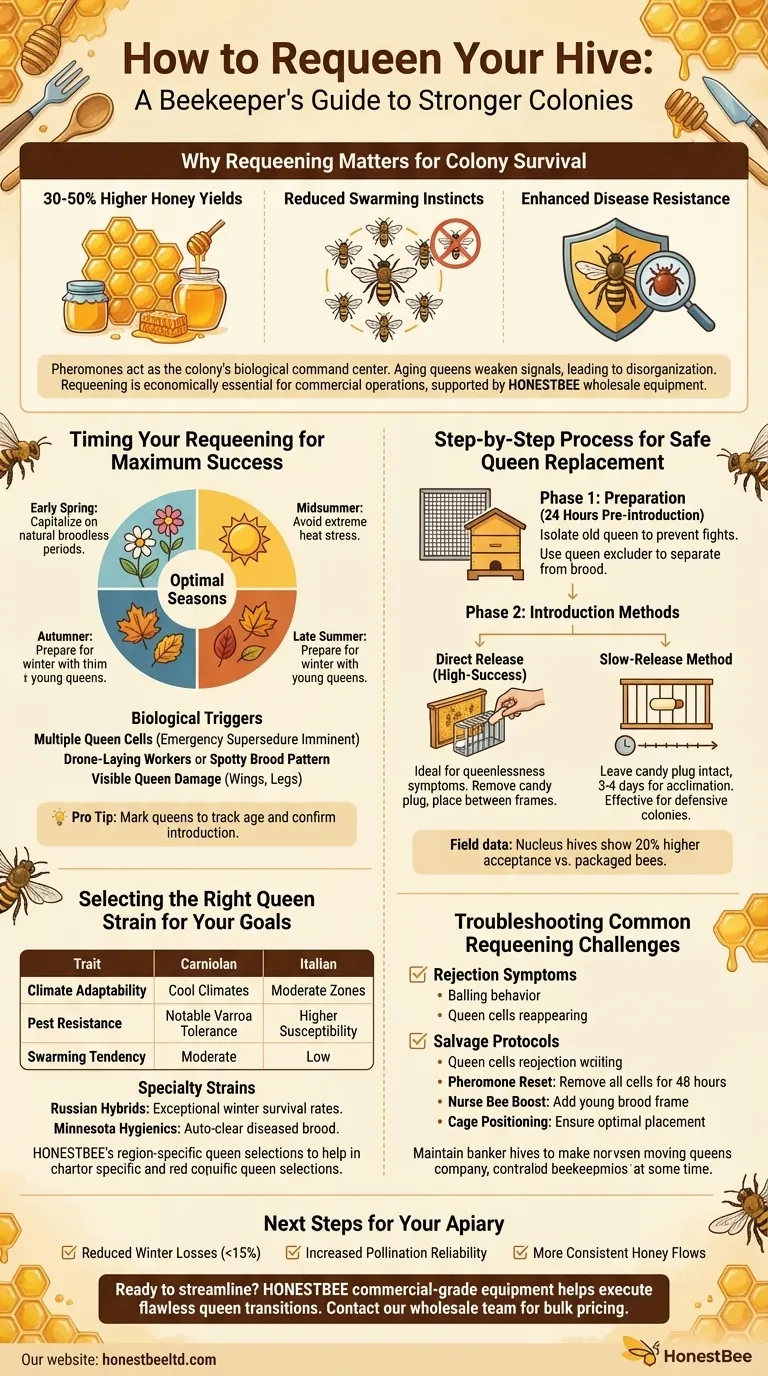
Every thriving apiary shares one commonality: proactive queen management. Research shows colonies with young, vigorous queens exhibit:
- 30-50% higher honey yields due to consistent brood patterns
- Reduced swarming instincts, keeping your workforce intact
- Enhanced disease resistance, particularly against Varroa mites
The pheromones produced by a high-quality queen act as the colony's biological command center. As queens age beyond their prime laying period (typically 1-2 years), these vital signals weaken. The result? Disorganized foraging, spotty brood patterns, and increased susceptibility to pests.
Have you noticed erratic brood patterns or unexplained hive aggression? These often signal it's time for requeening.
For commercial operations, scheduled requeening isn't just beneficial—it's economically essential. HONESTBEE's wholesale equipment supports large-scale requeening projects with specialized tools that minimize colony disruption.
Timing Your Requeening for Maximum Success
Optimal Seasons
- Early Spring: Capitalize on natural broodless periods during nectar flows
- Late Summer: Prepare colonies for winter with young, winter-hardy queens
- Avoid midsummer heat: High temperatures stress newly introduced queens
Biological Triggers
Watch for these signs demanding immediate action:
- Multiple queen cells with polished interiors (emergency supersedure imminent)
- Drone-laying workers or a "spotty" brood pattern
- Visible queen damage (wings chewed, missing legs)
Pro Tip: Marking queens with non-toxic paint (as referenced in apiculture studies) helps track age and confirms successful introduction versus accidental supersedure.
Step-by-Step Process for Safe Queen Replacement
Phase 1: Preparation (24 Hours Pre-Introduction)
- Isolate the old queen to prevent accidental requeening fights
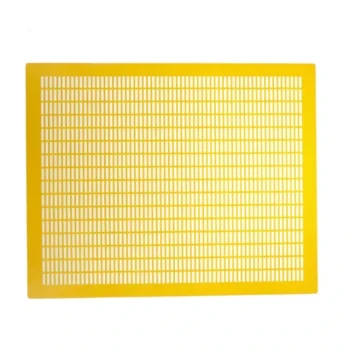
- Use a queen excluder to separate her from the brood nest
Phase 2: Introduction Methods
-
Direct Release (High-Success Variation)
- Ideal for hives showing queenlessness symptoms
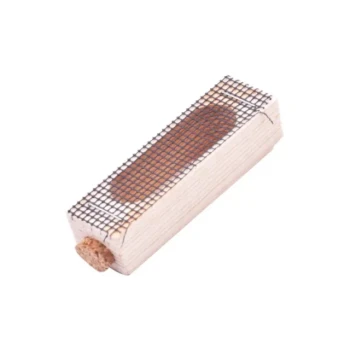
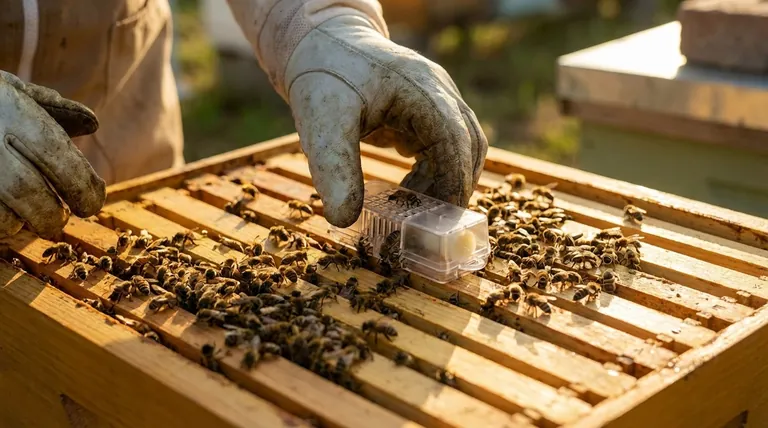
- Remove candy plug from queen cage and place between frames
-
Slow-Release Method
- Leave candy plug intact, allowing 3-4 days for pheromone acclimation
- Particularly effective for defensive colonies
Field data indicates that colonies started from nucleus hives (nucs) show 20% higher acceptance rates versus packaged bees—a critical consideration for wholesale operations sourcing bulk queens.
Selecting the Right Queen Strain for Your Goals
Carniolan vs. Italian: A Practical Comparison
| Trait | Carniolan Queens | Italian Queens |
|---|---|---|
| Climate Adaptability | Excel in cooler climates | Prefer moderate zones |
| Pest Resistance | Notable Varroa tolerance | Higher mite susceptibility |
| Swarming Tendency | Moderate | Low |
For apiaries battling mites, Carniolans' genetic advantages align with IPM strategies. Italian queens remain preferred for honey production in temperate regions.
Specialty Strains
- Russian Hybrids: Exceptional winter survival rates
- Minnesota Hygienics: Auto-clear diseased brood effectively
HONESTBEE's wholesale program offers region-specific queen selections to match your operational priorities—whether maximizing pollination contracts or honey harvests.
Troubleshooting Common Requeening Challenges
Rejection Symptoms
- Balling behavior (workers clustering around the new queen)
- Queen cells reappearing post-introduction
Salvage Protocols
- Pheromone Reset: Remove all queen cells for 48 hours before retrying
- Nurse Bee Boost: Add a frame of young brood to distract aggressive workers
- Cage Positioning: Ensure the cage isn't in direct sunlight or drafty areas
For distributors managing bulk requeening: Maintaining backup "banker hives" preserves valuable genetics if primary introductions fail.
Next Steps for Your Apiary
Requeening transforms theoretical beekeeping knowledge into measurable colony improvements. By implementing these protocols, commercial operators can expect:
✔ Reduced winter losses (under 15% with proper timing)
✔ Increased pollination contract reliability
✔ More consistent honey flows year-over-year
Ready to streamline your requeening process? HONESTBEE's commercial-grade equipment—from queen excluders to introduction cages—helps large-scale operations execute flawless queen transitions. Contact our wholesale team today for bulk pricing on proven requeening systems.
Remember: A thriving apiary begins with one decisive action—giving your colonies the queens they deserve.
Visual Guide
Related Products
- Durable Galvanized Steel Spring Queen Bee Cage
- Portable Queen Bee Incubator with 12V Car Adapter for Safe Transport
- Professional Queen Bee Introduction and Transport Cage
- Heavy Duty Stainless Steel Queen Bee Catcher Clip
- Classic Wooden and Mesh California Queen Cage
Related Articles
- An Engineered Truce: The Psychology of the Queen Cage
- Maximizing Queen Cage Value: A Beekeeper's Guide to Safe Reuse & Long-Term Savings
- A Timed Release of Power: The Social Engineering of the Queen Cage
- The Queen Cage's Ledger: A Systems Approach to Apiary Biosecurity
- The Diplomatic Interface: Why Queen Cage Maintenance is a Study in Risk Management