The Unmanaged Variable of Harvest Day
Honey harvest day can feel like controlled chaos. The air is thick with the hum of agitated bees, the smell of smoke, and the roar of a leaf blower. The goal is simple—separate bees from honey—but the process is often frantic and stressful for both the colony and the beekeeper.
For a commercial operation, this chaos is an unmanaged variable, a source of inefficiency and risk. The real objective isn't just to get the honey; it's to create a predictable, scalable, and low-stress system for doing so.
This is where an elegant piece of engineering, the triangle escape board, transforms the harvest from a brute-force extraction into a quiet choreography. It’s a tool that works with bee psychology, not against it.
The Principle: Engineering a Gentle Exodus
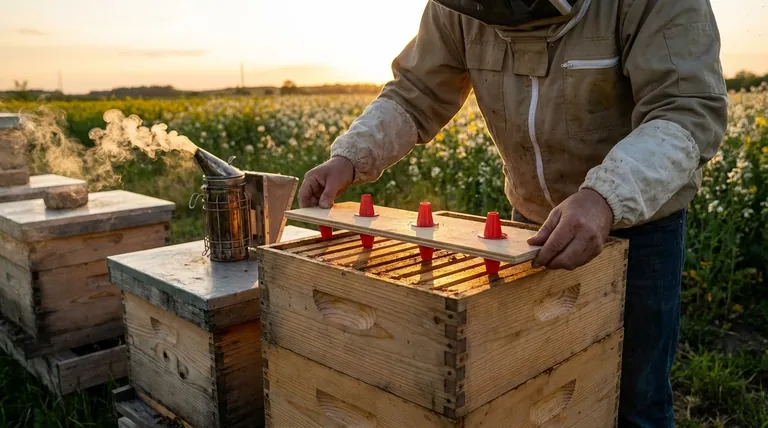
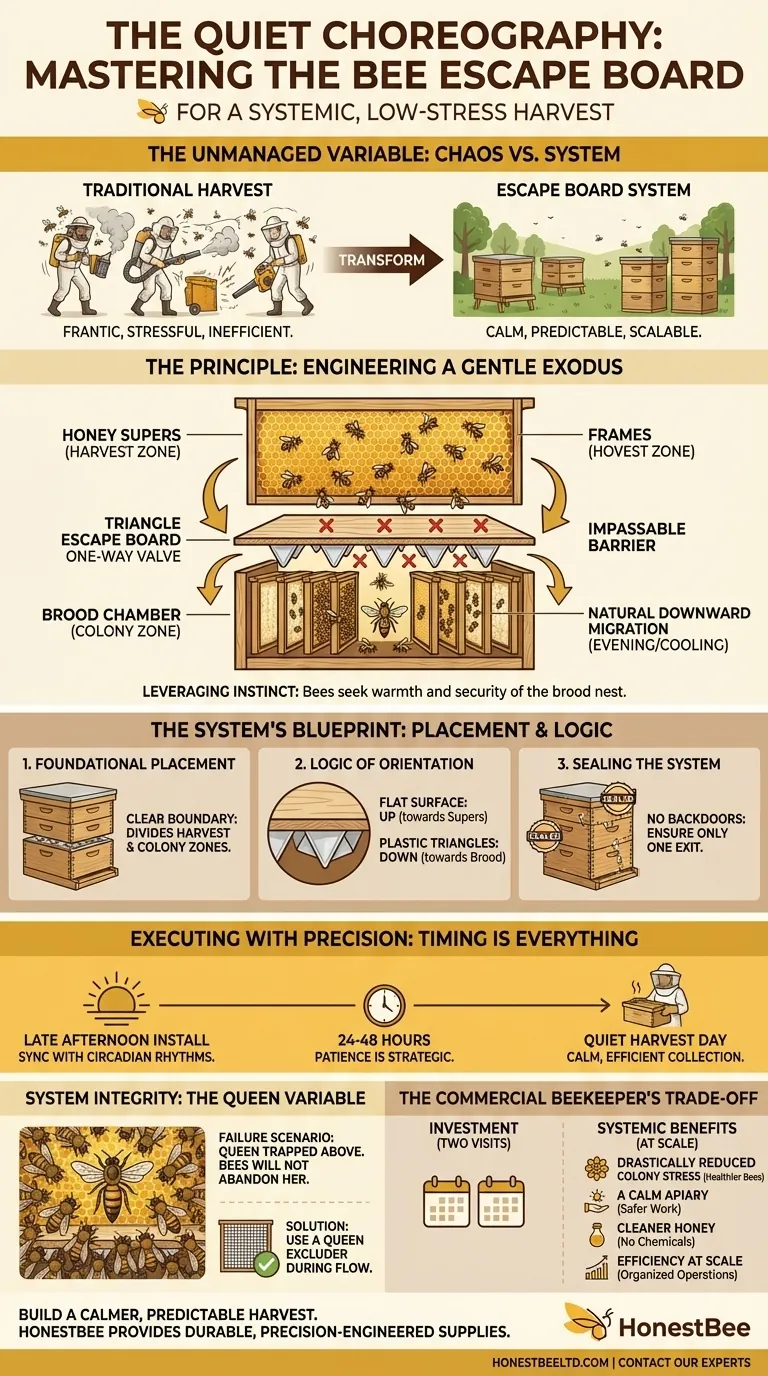
An escape board is, at its core, a one-way valve designed for bees. It creates an easy path down into the brood chamber but a confusing, impassable barrier for any bee trying to return to the honey supers above.
This simple mechanism doesn't force the bees out. Instead, it leverages their most fundamental instincts. As evening approaches and temperatures drop, bees naturally migrate downward, seeking the warmth, scent, and security of the central brood nest.
The escape board simply provides the pathway for this instinctual journey, gently funneling thousands of bees out of the supers without a single puff of smoke.
The System's Blueprint: Placement and Logic
Like any well-engineered system, the escape board's success depends on precise implementation. A small error in setup can render it completely ineffective.
The Foundational Layer
The board’s position is its most critical feature. It must form a clear boundary between the honey supers you intend to harvest and the brood boxes the colony will continue to occupy.
This placement cleanly divides the hive into a "harvest zone" and a "colony zone." You are signaling to the bees which area is being decommissioned.
The Logic of Orientation
The board's orientation is non-negotiable.
- Flat Surface: Faces UP, towards the honey supers.
- Plastic Triangles: Face DOWN, towards the brood chamber.
This design is a masterclass in user experience—for bees. The flat top surface presents no holes or crevices, frustrating any bee attempting to find a way back up. The triangles below offer an obvious and inviting exit.
Sealing the System
For the one-way valve to work, it must be the only way out. Before walking away, ensure all other potential exits from the honey supers are sealed. Cracks in the boxes or a notched inner cover left open will create a "backdoor," and the bees will use it. The system must be closed to be effective.
Executing with Precision: Timing is Everything
A perfectly installed board is only half the equation. Its effectiveness is governed by time and temperature.
Working with Circadian Rhythms
Install the escape board in the late afternoon or evening. This syncs your work with the bees' natural daily cycle. As the air cools, the downward migration begins in earnest. Placing the board in the midday heat is less effective, as thousands of foragers are still actively moving throughout the entire hive.
The 24-Hour Rule
Patience is a strategic requirement. An escape board is not an instant solution. It requires 24 to 48 hours to quietly and completely clear the supers.
Planning to install the boards one to two days before your scheduled harvest transforms the process. It allows you to return to hives that are calm and nearly empty of bees, making the work of lifting heavy supers remarkably peaceful and efficient.
System Integrity: The Queen Variable
There is one scenario where this elegant system fails completely: trapping the queen in the honey supers above the board.
The worker bees' loyalty to their queen is absolute. They will not abandon her. If she is on the wrong side of the barrier, the escape board becomes useless. This highlights the value of using a queen excluder during the nectar flow—it's a foundational tool for ensuring the queen remains in the correct part of the system.
A predictable harvest is built on layers of reliable tools working in concert.
The Commercial Beekeeper's Trade-Off
The primary trade-off of the escape board is that it requires two visits to the apiary: one to install, and one to harvest.
For a commercial operation, this isn't a drawback; it's a strategic decision. You trade a single, frantic day for two calm, predictable visits. The benefits are systemic:
- Drastically Reduced Colony Stress: Healthier, more productive bees.
- A Calm Apiary: Easier and safer working conditions for your crew.
- Cleaner Honey: No risk of contamination from chemical fume boards.
- Efficiency at Scale: While one hive takes longer, managing hundreds of hives becomes a smoother, more organized logistical operation.
A reliable system is built on reliable components. A warped board that doesn't sit flat, or a poorly molded plastic escape that bees can bypass, compromises the entire process. For commercial apiaries and distributors, equipment quality isn't a luxury; it's the foundation of operational success. At HONESTBEE, we provide the durable, precision-engineered beekeeping supplies that large-scale operations depend on to execute their systems flawlessly.
Build a calmer, more predictable, and more profitable harvest. Contact Our Experts
Visual Guide
Related Products
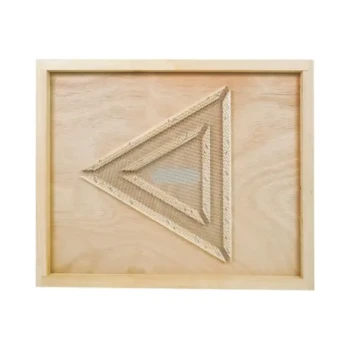
- HONESTBEE Wooden Bee Escape Board with Triangle Mesh Design for Beekeeping
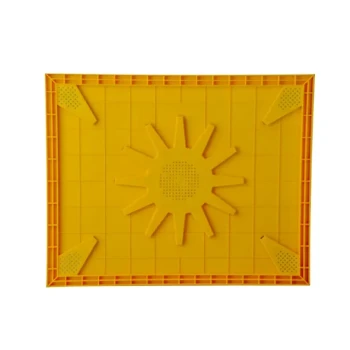
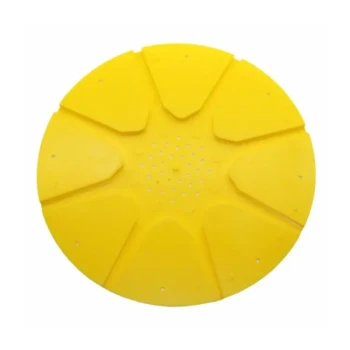
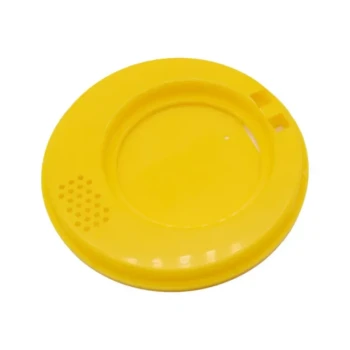
- HONESTBEE Multi Exit Plastic Bee Escape Board for Efficient Honey Harvesting
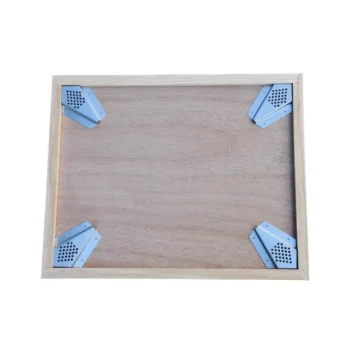
- HONESTBEE 4-Way Metal Corner Wooden Bee Escape Board
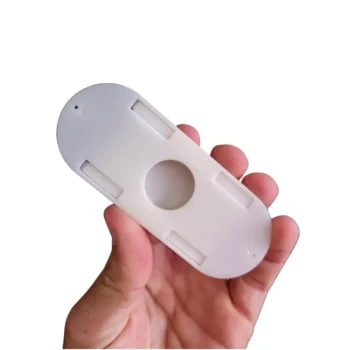
- Slatted Porter Style Bee Escape for Rapid Hive Clearing
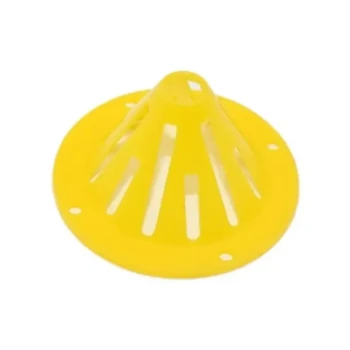
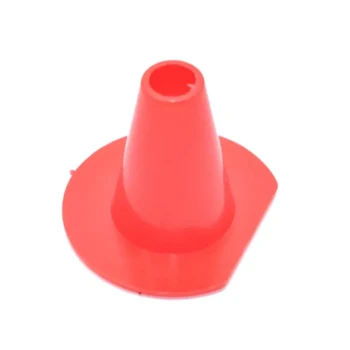
- Professional Cone Style Bee Escape for Efficient Honey Harvesting
Related Articles
- How Bee Escape Boards Enable Ethical Honey Harvests Without Colony Stress
- Engineering Empathy: The Quiet Genius of the Bee Escape Board
- Beyond the 24-Hour Rule: The Psychology of the Bee Escape Board
- The Engineer's Gambit: Why Your Bee Escape Board Fails
- An Elegant Deception: The Behavioral Science of the Bee Escape Board