The Scene of a Silent Failure
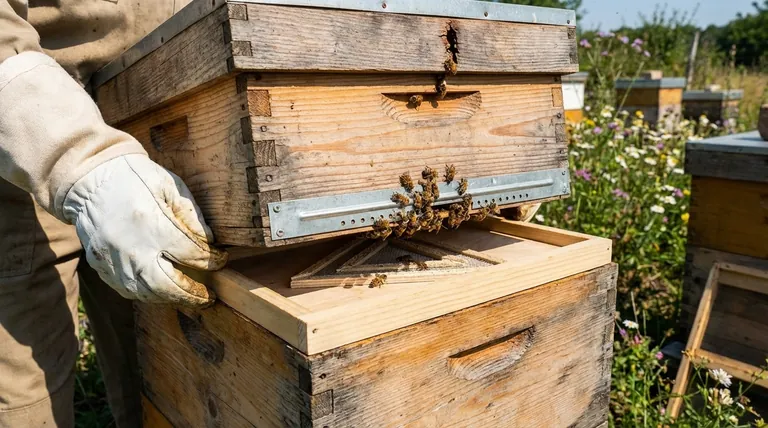
A beekeeper returns to the apiary, anticipating the quiet, satisfying weight of honey supers emptied of their guardians. Twenty-four hours ago, they installed a triangular escape board—a simple, elegant tool designed for a peaceful harvest.
But upon lifting the lid, the supers are still teeming with bees, buzzing with activity. The tool, a perfect one-way gate in theory, has failed.
This scenario isn't about a faulty product. It’s about a failure to appreciate the system. The escape board is less a tool and more a test of the beekeeper's attention to detail—a quiet gambit that hinges on two easily overlooked factors.
The Inevitability of a One-Way Street
At its core, the triangular escape board is a marvel of passive engineering. It relies on a fundamental bee behavior: the nightly migration of workers down into the brood chamber.
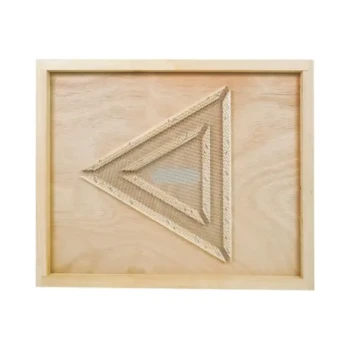
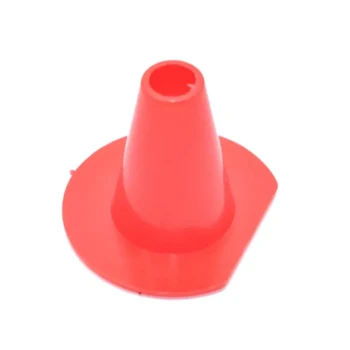
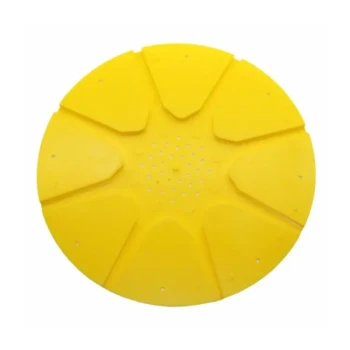
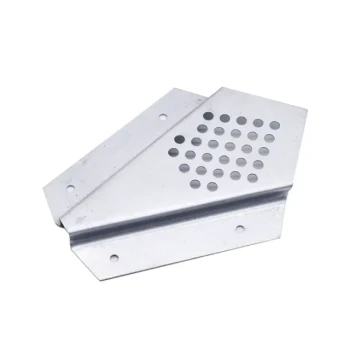
Placed between the honey supers and the brood boxes, the board presents a series of small, triangular tunnels. Bees can easily navigate down through the wide opening, but the narrow exit on the other side makes an upward return journey confusing and nearly impossible.
Unlike the aggressive chaos of a fume board or the disruption of brushing bees from frames, the escape board works silently, overnight. It trades speed for calm, reducing stress on the colony and creating a far more pleasant experience for the beekeeper.
It is an engineer's solution: elegant, passive, and leveraging natural tendencies rather than brute force.
The Two Critical Points of System Collapse
The elegance of the system is also its weakness. Its success is absolute, but its function is fragile, depending entirely on a perfectly closed environment. Failure almost always occurs at one of two points.
1. The Geometry of the Seal
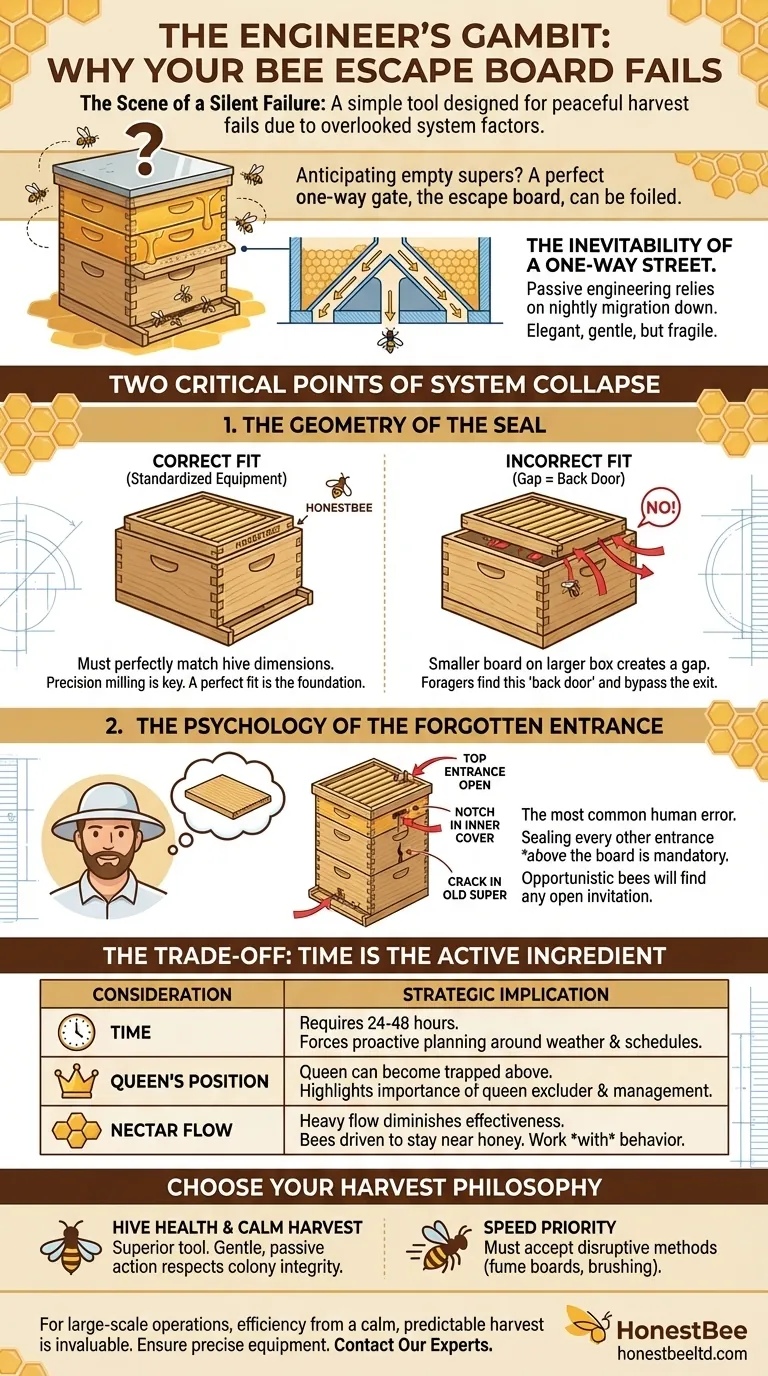
The single most important specification of an escape board is its size. It must perfectly match the dimensions of your hive bodies.
- An 8-frame board must be used on an 8-frame hive.
- A 10-frame board must be used on a 10-frame hive.
Using a smaller board on a larger box creates a gap. To a beekeeper, it may seem insignificant. To a bee, it is a glaringly obvious back door. Foraging bees returning to the hive will find this gap and bypass the one-way exit entirely, rendering the board useless.
For commercial apiaries, equipment standardization is non-negotiable. Using precision-milled equipment, like the correctly sized 8-frame and 10-frame boards supplied by HONESTBEE, eliminates this variable. A perfect fit isn't a feature; it's the entire foundation of the system.
2. The Psychology of the Forgotten Entrance
This is the most common human error. After placing the board correctly (triangles facing down), the beekeeper must seal every other potential entrance above it.
Bees are relentless opportunists. A forgotten top entrance, a small notch in an inner cover, or a crack in an old wooden super is an open invitation. The beekeeper, focused on the main task of installing the board, often suffers from a kind of tunnel vision, overlooking these tiny but critical details.
Sealing the hive isn't just a step; it's a mindset. You must inspect the system from the bee's perspective, actively looking for the path of least resistance.
The Trade-Off: Time is the Active Ingredient
The escape board demands a currency that is often in short supply: patience. It is not an instant solution, and understanding its operational trade-offs is key to success.
| Consideration | Strategic Implication |
|---|---|
| Time | Requires 24-48 hours. This forces proactive planning around weather and schedules. |
| Queen's Position | A queen can become trapped above the board. This highlights the importance of good hive management, including the proper use of a queen excluder. |
| Nectar Flow | During a heavy flow, bees are biologically driven to stay near the honey. The board's effectiveness diminishes, reminding us to work with bee behavior, not against it. |
Choose Your Harvest Philosophy
The triangular escape board isn't just a piece of equipment; it represents a philosophy of beekeeping.
- If your priority is hive health and a calm harvest, it is the superior tool. Its gentle, passive action respects the colony's integrity.
- If your priority is speed, you must accept the trade-offs of more disruptive methods like fume boards or brushing.
For large-scale operations, the efficiency gained from a calm, predictable harvest is invaluable. It hinges on the reliability of every component in the system. Ensuring you have a dedicated, correctly sized escape board for every hive configuration is a cornerstone of operational excellence.
The board's success is a reflection of the beekeeper's process. It reveals that in a complex system, the smallest details—the size of a board, a forgotten crack—are what define the outcome. Ensuring your equipment is precise and reliable is the first step. For professional-grade supplies that remove variables and guarantee a perfect fit, Contact Our Experts.
Visual Guide
Related Products
- HONESTBEE Wooden Bee Escape Board with Triangle Mesh Design for Beekeeping
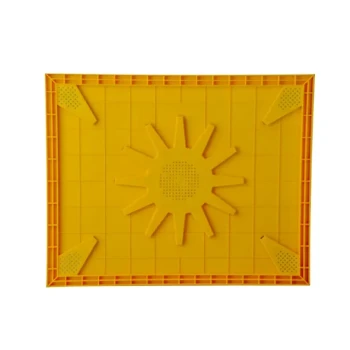
- HONESTBEE Multi Exit Plastic Bee Escape Board for Efficient Honey Harvesting
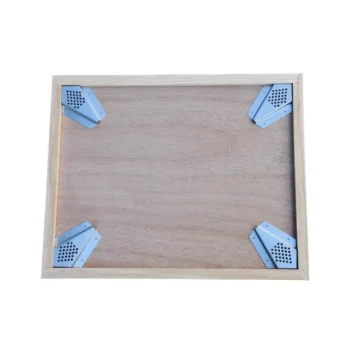
- HONESTBEE 4-Way Metal Corner Wooden Bee Escape Board
- Slatted Porter Style Bee Escape for Rapid Hive Clearing
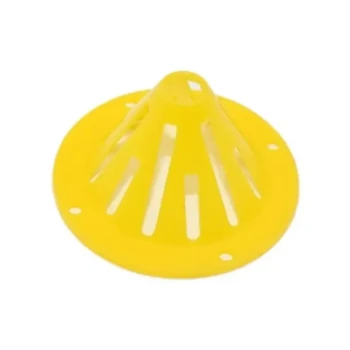
- Professional Cone Style Bee Escape for Efficient Honey Harvesting
Related Articles
- The Quiet Choreography: Mastering the Bee Escape Board for a Systemic Harvest
- How Bee Escape Boards Enable Ethical Honey Harvests Without Colony Stress
- Engineering Empathy: The Quiet Genius of the Bee Escape Board
- Beyond the 24-Hour Rule: The Psychology of the Bee Escape Board
- An Elegant Deception: The Behavioral Science of the Bee Escape Board