Raw honey isn't just a sweetener—it's a living food teeming with enzymes, antioxidants, and delicate floral flavors. But traditional heat processing destroys these benefits. This guide reveals proven, non-thermal methods to manage honey's moisture while preserving its nutritional integrity, whether you're a small-scale beekeeper or a commercial producer.
The Hidden Value of Enzymes in Raw Honey
Honey contains enzymes like glucose oxidase, which generates hydrogen peroxide—a natural antimicrobial agent. Research shows these compounds degrade rapidly when exposed to temperatures exceeding 95°F (35°C), diminishing honey's health-promoting properties.
Why Heat Compromises Honey's Bioactive Components
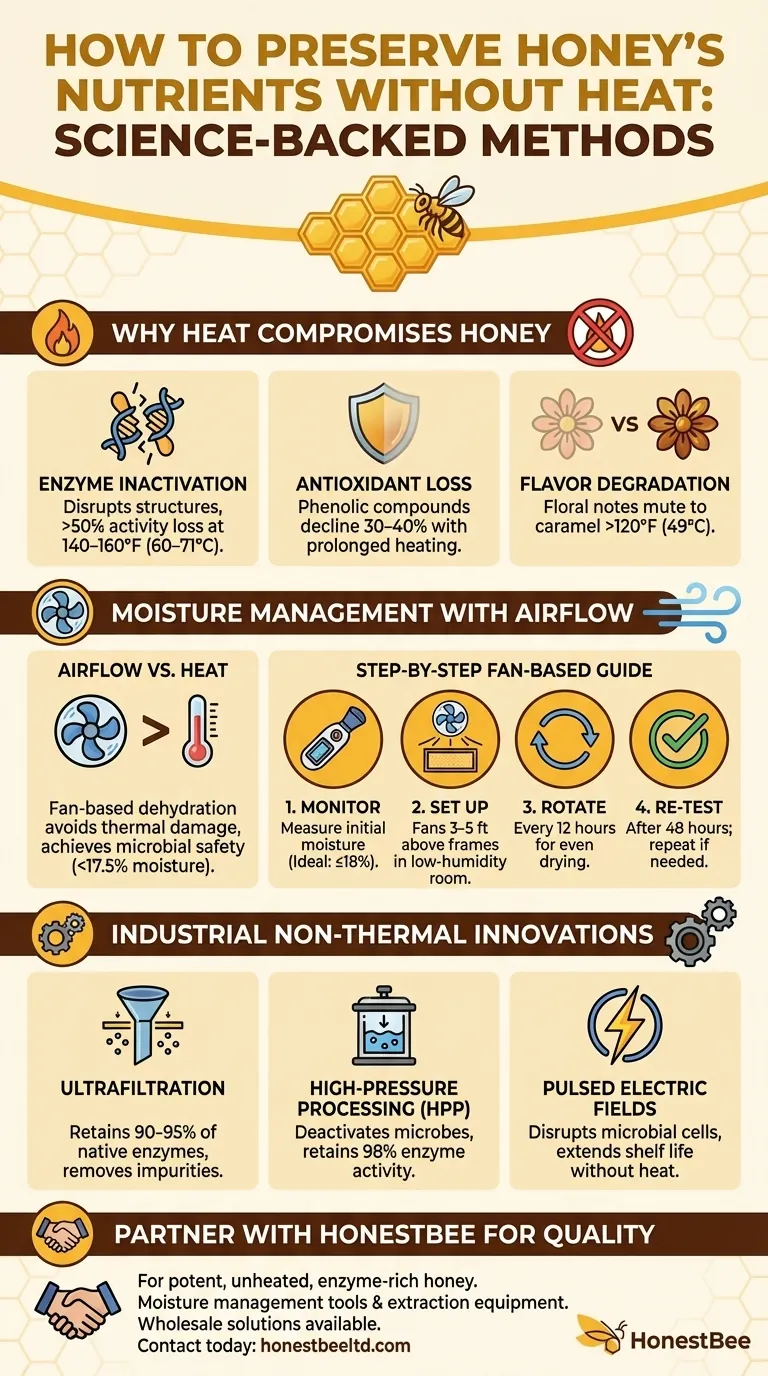
- Enzyme inactivation: Heat disrupts the protein structures of enzymes, reducing their activity by over half within minutes at typical pasteurization temperatures (140–160°F/60–71°C).
- Antioxidant loss: Phenolic compounds, which combat oxidative stress, decline by approximately 30–40% with prolonged heating.
- Texture alteration: Excessive heat accelerates sugar crystallization, leading to uneven graininess.
Quantifying Taste Degradation: From Floral Notes to Caramelization
Heating shifts honey's flavor profile from nuanced (citrus, lavender, or eucalyptus notes) to uniformly caramelized. A 2020 sensory analysis found that even brief heating at 120°F (49°C) muted distinctive floral aromas in 7 out of 10 honey varieties tested.
Practical tip: Store honey below 75°F (24°C) to slow natural fermentation without heat damage.
Moisture Management Without Compromise
High moisture content (>18%) risks fermentation, but heat isn't the only solution. Controlled airflow achieves microbial safety while protecting honey's delicate compounds.
Airflow vs. Heat: Microbial Safety and Quality Retention
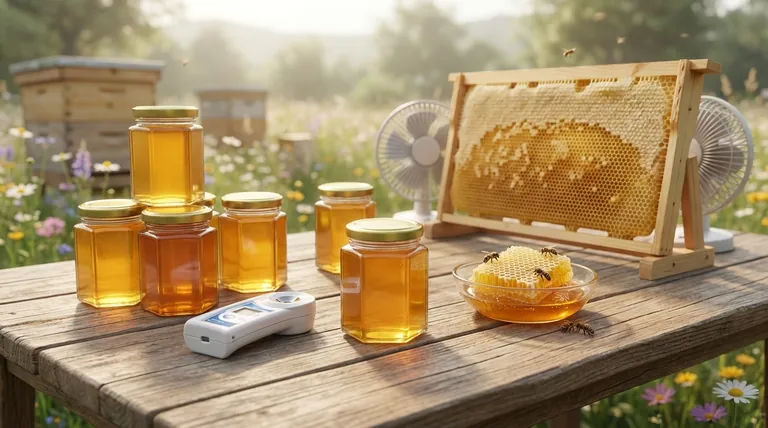
- Fan-based dehydration: Circulating dry air at room temperature reduces moisture by 2–4% per day, avoiding thermal damage.
- Microbial control: Studies indicate that honey with moisture levels below 17.5% inhibits yeast growth naturally, eliminating the need for pasteurization.
Step-by-Step Guide to Fan-Based Moisture Reduction
- Monitor humidity: Use a refractometer to measure honey's initial moisture content (ideal: ≤18%).
- Set up airflow: Position fans 3–5 feet above uncapped frames in a low-humidity (<50%) room.
- Rotate frames: Every 12 hours to ensure even drying.
- Re-test moisture: After 48 hours; repeat if needed.
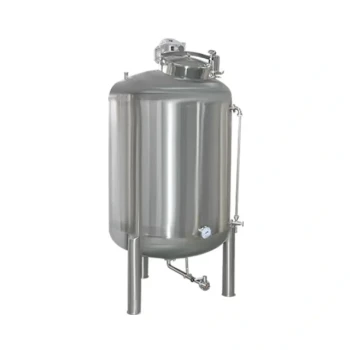
For beekeepers: HONESTBEE's stainless steel uncapping tanks with integrated drainage simplify moisture management during extraction.
Beyond the Kitchen: Industrial Applications and Innovations
Commercial producers increasingly adopt non-thermal methods to meet demand for nutrient-rich raw honey.
How Commercial Producers Preserve Enzymatic Activity
- Ultrafiltration: Removes impurities without heat, retaining 90–95% of native enzymes.
- Fractional crystallization: Separates glucose crystals at low temperatures to prevent fermentation.
Emerging Technologies in Non-Thermal Honey Processing
- High-pressure processing (HPP): Uses pressurized water to deactivate microbes while preserving nutrients. Pilot studies show HPP-treated honey retains 98% of its original enzyme activity.
- Pulsed electric fields: Brief electrical bursts disrupt microbial cells, extending shelf life without thermal degradation.
Industry insight: Leading distributors now prioritize raw honey processed with these methods, as consumers increasingly value authenticity and nutritional benefits.
Preserve More Than Sweetness—Partner with HONESTBEE
Whether you're a beekeeper safeguarding small batches or a distributor supplying premium raw honey, HONESTBEE's moisture management tools and extraction equipment help you deliver honey at its most potent—unheated, enzyme-rich, and full of flavor. Explore our wholesale solutions designed for commercial-scale quality preservation.
Ready to upgrade your honey processing? Contact HONESTBEE today for equipment that protects nature's craftsmanship.
Visual Guide
Related Products
- Professional Honey Storage Tank with Agitation System
- Stainless Steel Honey Storage Tank with Lid for Honey
- Double Nozzle Small Honey Filling Machine Honey Sachet Packing Packaging Equipment
- Small Honey Filling Machine Sachet Packing Equipment Single Nozzle
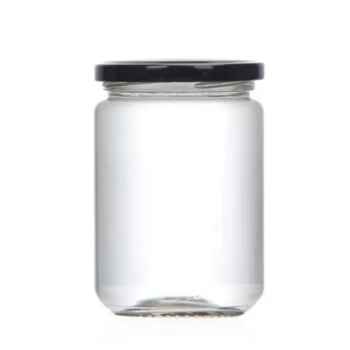
- Classic Round Glass Honey Jar with Lid
Related Articles
- Is Your Honey Tank Holding Your Business Hostage? How to Choose a Size That Fuels Growth, Not Frustration
- Beyond the Shine: The Hidden Physics of Honey Tank Sanitation
- How to Choose Honey Storage Containers That Prevent Spoilage and Extend Shelf Life
- How Honey Storage Science Preserves Nutrients: Temperature, Light & Container Insights
- Is Your Honey Tank a Hidden Hazard? Why Poor Sanitation Can Spoil Your Harvest