Beekeepers know the high stakes of queen introduction—a single misstep can trigger colony rejection, productivity losses, or even queen mortality. This guide reveals how pheromone synchronization and evidence-based timing techniques can dramatically improve acceptance rates, drawing on behavioral science and field-tested hive management strategies.
The Science Behind Queen Introduction
How Pheromones Dictate Hive Hierarchy
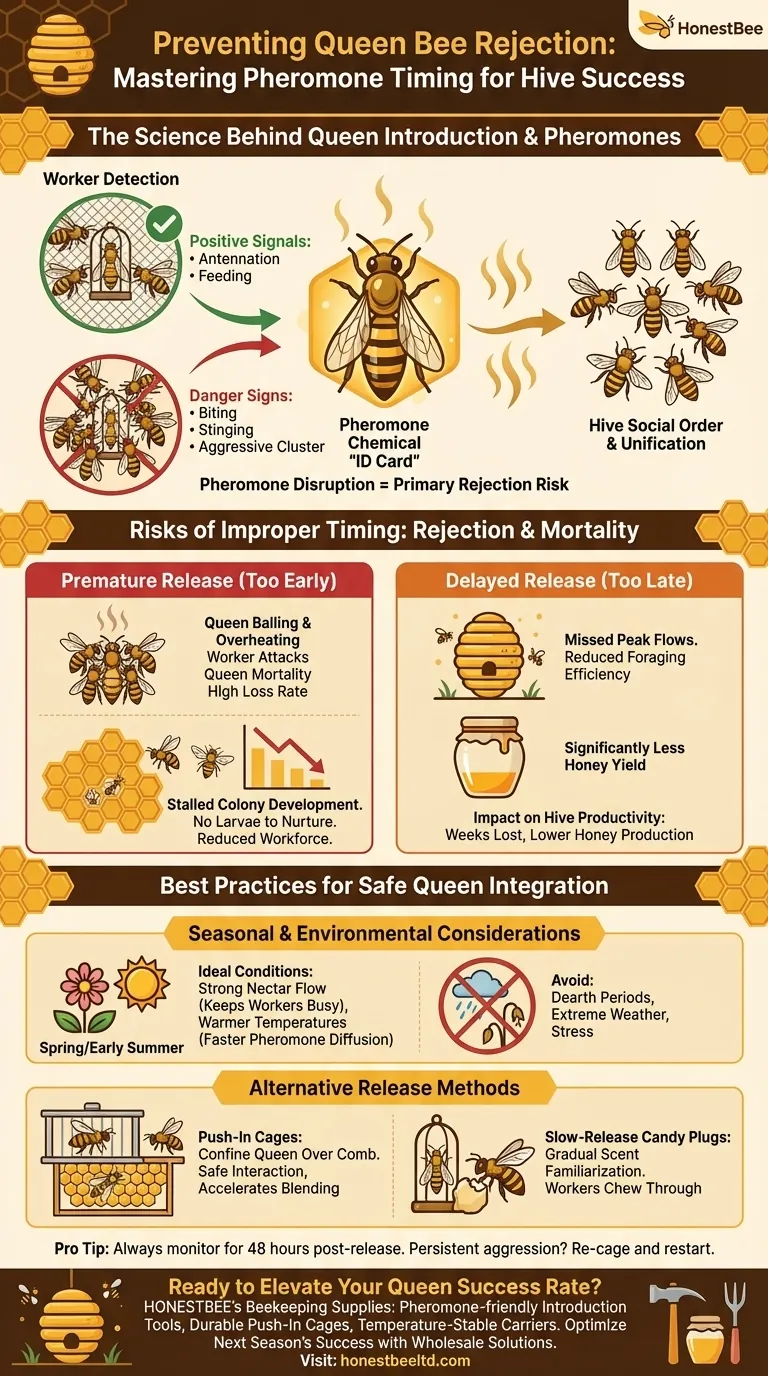
A colony’s social order hinges on pheromones. The queen’s mandibular secretions function as a chemical "ID card," signaling her fertility and unifying the hive. Research shows that workers detect these compounds within hours, using them to distinguish between accepted leaders and intruders.
In packaged hives, where queens arrive in cages, this pheromone disruption is the primary rejection risk. The existing worker population may perceive the new queen as a threat until her scent profile integrates with the colony’s.
Behavioral Indicators of Acceptance
Watch for these critical signs during introduction:
- Positive signals: Workers gently antennate (touch) the cage or feed the queen through its mesh.
- Danger signs: Bees biting the cage, clustering aggressively around it, or attempting to sting the queen through the bars.
Successful queens typically begin laying eggs within two days, creating a mixed-age brood pattern. Delayed egg production or isolated queen-less hive sections suggest integration failure.
Risks of Premature or Delayed Release
Colony Rejection and Queen Mortality
Forced early releases—before pheromone alignment—often trigger worker attacks. Bees may "ball" the queen, surrounding and overheating her to death. Data indicates that improperly timed introductions account for over half of queen losses in new colonies.
Impact on Hive Productivity
A rejected queen stalls colony development by weeks:
- Nurse bees lack larvae to nurture, reducing workforce regeneration.
- Foraging efficiency drops without pheromone-coordinated tasks.
Hives recovering from failed introductions produce significantly less honey—sometimes under half of normal yields—during the next flow.
Best Practices for Safe Queen Integration
Seasonal and Environmental Considerations
Spring/early summer offers ideal conditions:
- Strong nectar flows keep workers occupied, reducing aggression.
- Warmer temperatures accelerate pheromone diffusion.
Avoid introducing queens during dearth periods or extreme weather, as stress heightens defensiveness.
Alternative Release Methods
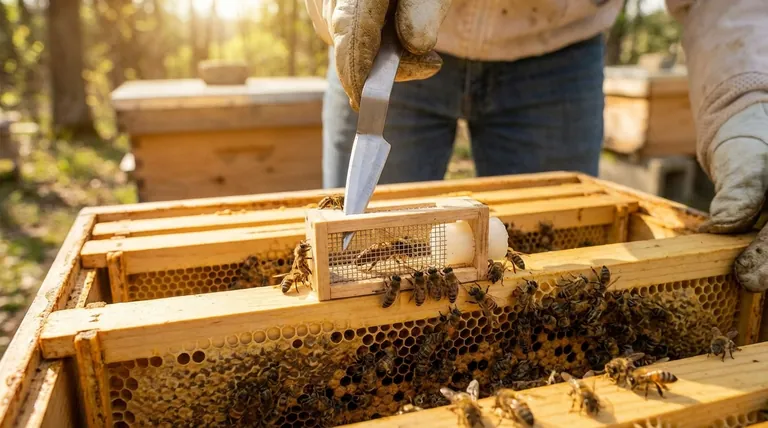
- Push-In Cages: Confine the queen under a mesh dome over drawn comb. Workers interact safely through the screen while she lays eggs, accelerating pheromone blending.
- Slow-Release Candy Plugs: Use cages with sugar barriers that workers chew through over several days, allowing gradual scent familiarization.
Pro Tip: Always monitor for 48 hours post-release. Persistent aggression warrants re-caging the queen for another integration cycle.
Ready to Elevate Your Queen Success Rate?
HONESTBEE’s beekeeping supplies equip commercial apiaries with pheromone-friendly introduction tools—from durable push-in cages to temperature-stable queen carriers. Let’s help your hives thrive with science-backed equipment designed for beekeepers, by beekeepers.
Next Step: Optimize your next season’s queen introductions with wholesale solutions that reduce rejection risks.
Visual Guide
Related Products
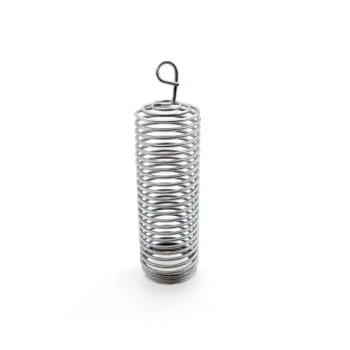
- Durable Galvanized Steel Spring Queen Bee Cage
- Portable Queen Bee Incubator with 12V Car Adapter for Safe Transport
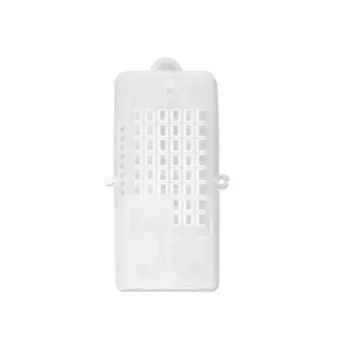
- Professional Queen Bee Introduction and Transport Cage
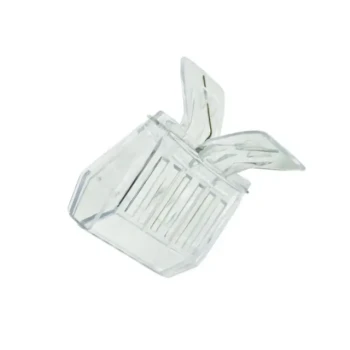
- Heavy Duty Stainless Steel Queen Bee Catcher Clip
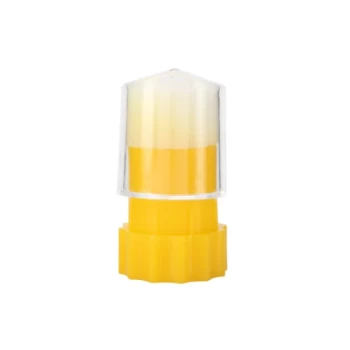
- Queen Bee Catcher Plastic Bee Marker Bottle with Piston Marking Tube
Related Articles
- An Engineered Truce: The Psychology of the Queen Cage
- Maximizing Queen Cage Value: A Beekeeper's Guide to Safe Reuse & Long-Term Savings
- A Timed Release of Power: The Social Engineering of the Queen Cage
- The Queen Cage's Ledger: A Systems Approach to Apiary Biosecurity
- The Diplomatic Interface: Why Queen Cage Maintenance is a Study in Risk Management