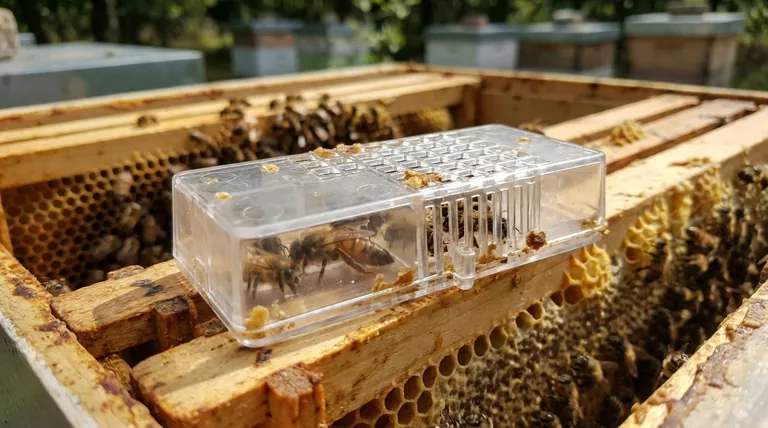
A Cage Is Not Just a Cage
In aviation, checklists prevent catastrophe. In surgery, they save lives. In beekeeping, the humble queen cage serves a similar function: it is a tool for managing a moment of extreme vulnerability and risk.
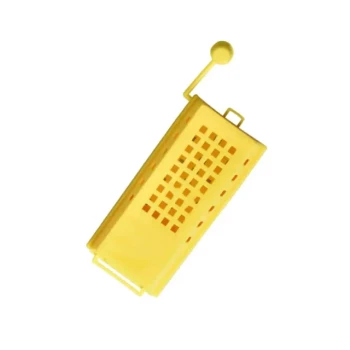
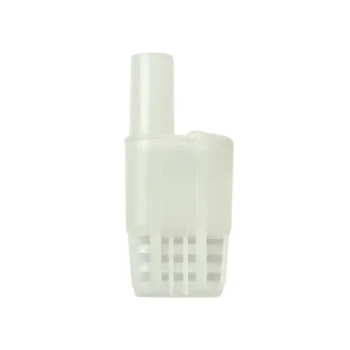
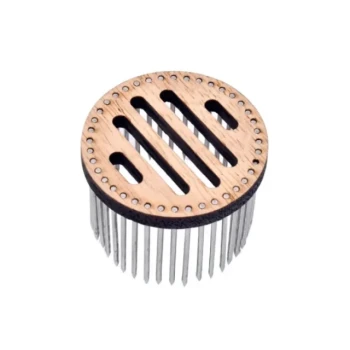
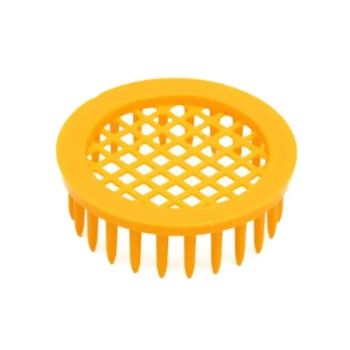
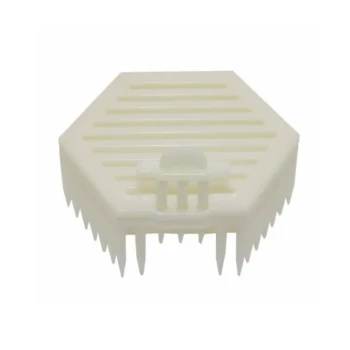
A queen cage is not merely a container. It is a temporary life-support system, a bio-secure airlock, and the diplomatic interface between a colony's future and its potentially hostile present.
The goal of its maintenance is not just cleanliness. The goal is to execute a flawless protocol that guarantees a safe, stress-free environment for the most valuable asset in the apiary. Failure at this micro-level can lead to systemic collapse.
The Physics and Psychology of Acceptance
Every maintenance task is directly linked to the intricate social dynamics of the hive. It's a system of inputs and outputs where small physical variables have profound psychological consequences.
The Medium for a Message: Airflow and Pheromones
The mesh of a queen cage performs two functions, one obvious, one subtle.
The obvious function is ventilation. The queen and her attendants need to breathe.
The subtle, more critical function is communication. The mesh allows the queen's unique pheromones—her chemical signature of royalty and viability—to permeate the hive. This is not just a scent; it is a negotiation. The colony slowly becomes accustomed to her, a process essential for acceptance. Any blockage from propolis or wax stifles this conversation, increasing the odds of rejection.
The Engineering of Security: Structural Integrity
A queen cage must be a fortress with a timed drawbridge. Any crack in its frame, a gap in the mesh, or a faulty gate represents a catastrophic failure point.
- A premature release before the colony has accepted her scent is a death sentence.
- An unauthorized entry by hostile worker bees is an assassination.
There is no room for "minor" damage. In a system governed by instinct, a tiny flaw is an open invitation for failure.
A Protocol for Trust: The Maintenance Routine
For commercial operations, process is everything. Integrating queen cage maintenance into your workflow isn't a chore; it's a discipline.
H3: Step 1: Systematic Inspection
Before and after every use, conduct a tactile and visual inspection. This is your pre-flight check.
- Look for stress fractures in plastic or worn joints in wood.
- Run a finger over the mesh to detect bent or broken wires.
- Ensure plugs and gates fit securely, with no give.
H3: Step 2: Aseptic Cleaning
Clean cages after every introduction. Hardened propolis is exponentially harder to remove.
- Submerge the cage in warm water with a mild, unscented soap.
- Use a soft brush to gently scrub the frame and mesh. Pay obsessive attention to the corners and screen, where residue hides.
- Crucially, never use harsh chemicals. Bleach or strong detergents can leave a residue that is toxic or repellent to bees, guaranteeing rejection.
H3: Step 3: Meticulous Drying and Storage
Rinse every trace of soap from the cage. Then, allow it to air dry completely. Storing a damp cage cultivates mold, turning your clean tool into a vector for disease.
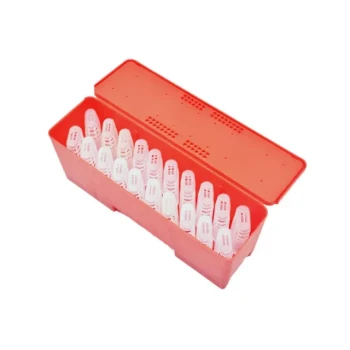
Store clean, dry cages in a sealed container. Protect them from dust, debris, and pests. Your future queen's life depends on this sterile integrity.
The Psychology of Failure: Why We Overlook Small Flaws
The greatest risk is not a lack of knowledge, but a lapse in discipline. It's human nature to see a tiny crack and dismiss it as insignificant. We normalize small deviations from the standard.
But in complex systems, these "minor" oversights cascade. A slightly bent wire is just enough for a worker bee to force entry. A bit of old candy plug debris can harbor bacteria.
This is why starting with high-quality, durable equipment is the first step in risk mitigation. A well-constructed cage from a reliable supplier has fewer potential points of failure from the outset. It is engineered to withstand the rigors of commercial use, making your maintenance protocol more effective.
| Maintenance Task | Key Purpose | Frequency |
|---|---|---|
| Inspect Cage | Check for cracks, bent mesh, or faulty gates | Before & after each use |
| Clean Thoroughly | Remove residue to ensure airflow & prevent disease | After every introduction |
| Dry Completely | Prevent mold growth and contamination | After every cleaning |
| Store Properly | Protect from dust and pests in a sealed container | Between uses |
For commercial apiaries and distributors, equipment reliability is non-negotiable. At HONESTBEE, we supply robust, professional-grade beekeeping supplies designed for operators who understand that success is built on managing details. Our wholesale operation is focused on providing the dependable tools you need to protect your most vital assets.
Your queen's introduction is too important to leave to chance. Contact Our Experts
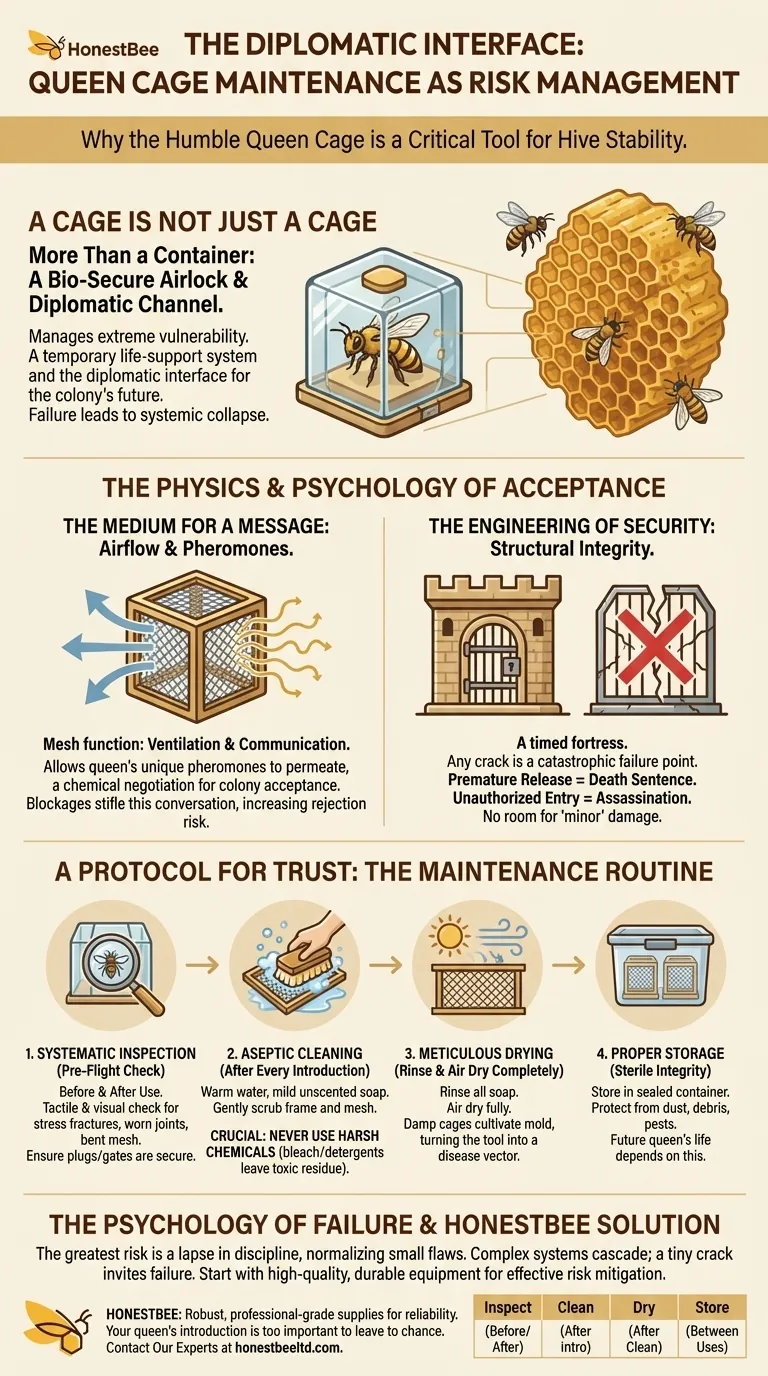
Visual Guide
Related Products
- Durable Galvanized Steel Spring Queen Bee Cage
- Professional Queen Cage with Sliding Gate and Feeder Plug
- Classic Wooden and Mesh California Queen Cage
- Professional Queen Bee Introduction and Transport Cage
- Professional Multi-Functional Queen Bee Cage
Related Articles
- An Engineered Truce: The Psychology of the Queen Cage
- Maximizing Queen Cage Value: A Beekeeper's Guide to Safe Reuse & Long-Term Savings
- A Timed Release of Power: The Social Engineering of the Queen Cage
- The Queen Cage's Ledger: A Systems Approach to Apiary Biosecurity
- How to Introduce a Queen Bee Successfully Using Queen Cages: A Beekeeper’s Guide