Beekeepers know a thriving colony starts with a productive queen. But what happens when she ages? Research shows queen bees experience significant biological changes that directly impact hive viability—from reduced egg-laying to disrupted social order. This guide unpacks the science behind queen aging, its risks, and proactive requeening strategies to safeguard your apiary’s future.
The Biology of Queen Bee Aging
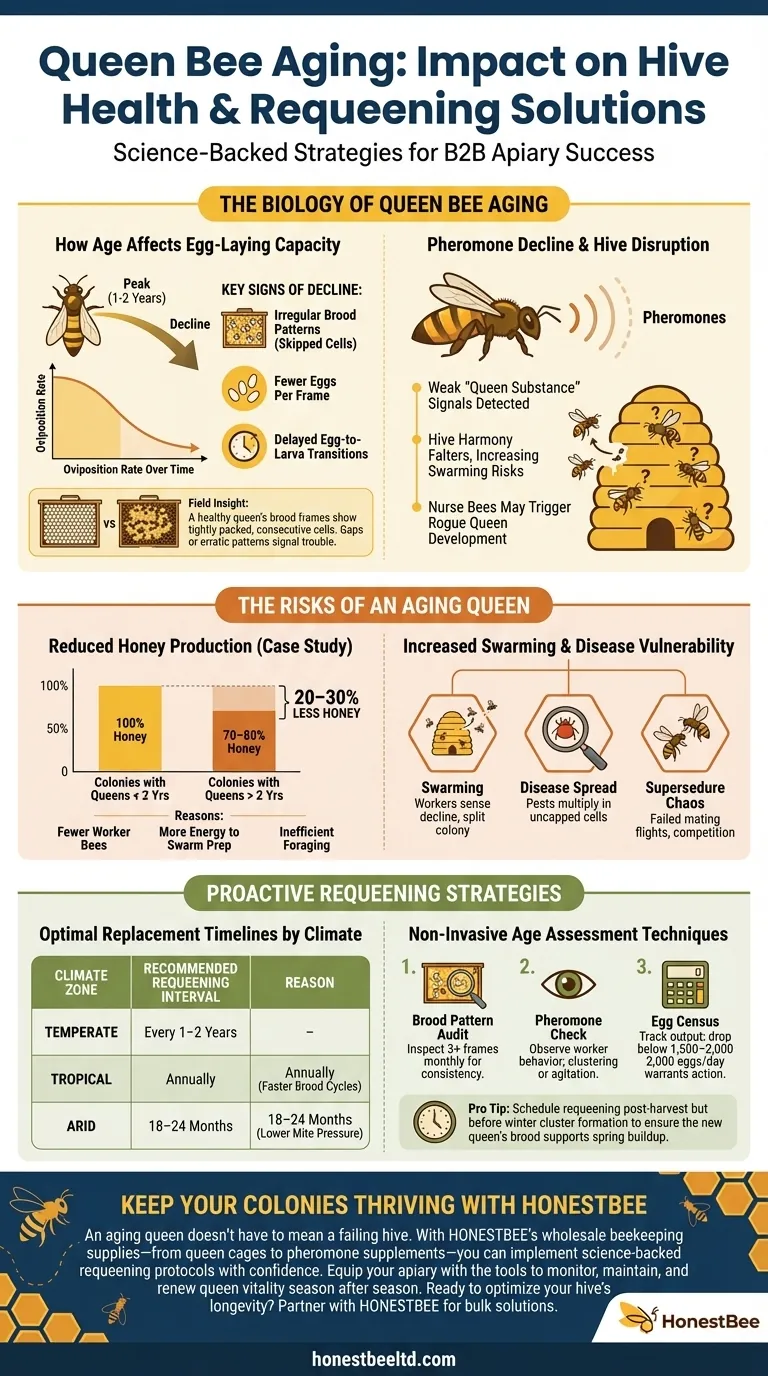
How Age Affects Egg-Laying Capacity
A queen’s reproductive peak lasts 1–2 years. After this period, her oviposition rate declines steadily. Studies reveal older queens lay fewer eggs, and those eggs often contain more yolk protein—a potential survival adaptation to prioritize quality over quantity.
Key signs of declining fertility:
- Irregular brood patterns (skipped cells)
- Fewer eggs per frame
- Delayed egg-to-larva transitions
Pheromone Decline and Hive Disruption
A queen’s pheromones regulate colony cohesion. As she ages:
- Worker bees detect weaker "queen substance" signals
- Hive harmony falters, increasing swarming risks
- Nurse bees may start feeding worker larvae royal jelly, triggering rogue queen development
Field Insight: A healthy queen’s brood frames show tightly packed, consecutive cells of eggs, larvae, and pupae. Gaps or erratic patterns signal trouble.
The Risks of an Aging Queen
Reduced Honey Production Case Study
Colonies with queens older than 2 years produce roughly 20–30% less honey. Why?
- Fewer worker bees (due to low egg output)
- More energy diverted to swarm preparation
- Inefficient foraging from disrupted pheromone cues
Increased Swarming and Disease Vulnerability
Aging queens trigger a cascade of risks:
- Swarming: Workers sense reproductive decline and prepare to replace her, splitting the colony.
- Disease Spread: Slow brood turnover allows pests like varroa mites to multiply in uncapped cells.
- Supersedure Chaos: If workers raise a new queen prematurely, you risk failed mating flights or aggressive competition.
Proactive Requeening Strategies
Optimal Replacement Timelines by Climate
| Climate Zone | Recommended Requeening Interval |
|---|---|
| Temperate | Every 1–2 years |
| Tropical | Annually (due to faster brood cycles) |
| Arid | 18–24 months (lower mite pressure) |
Non-Invasive Age Assessment Techniques
- Brood Pattern Audit: Inspect 3+ frames monthly for consistency.
- Pheromone Check: Observe worker behavior—clustering or agitation may indicate signal weakness.
- Egg Census: Track daily egg output; a drop below 1,500–2,000 eggs/day warrants action.
Pro Tip: Schedule requeening post-harvest but before winter cluster formation to ensure the new queen’s brood supports spring buildup.
Keep Your Colonies Thriving with HONESTBEE
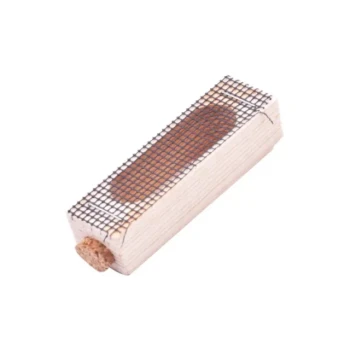
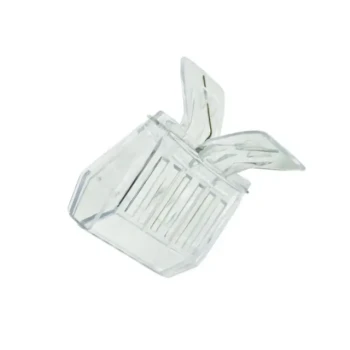
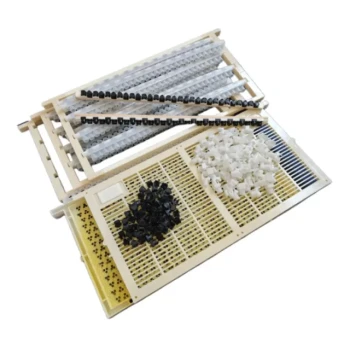
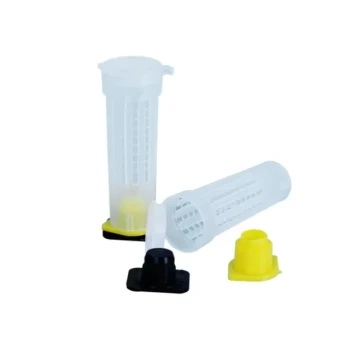
An aging queen doesn’t have to mean a failing hive. With HONESTBEE’s wholesale beekeeping supplies—from queen cages to pheromone supplements—you can implement science-backed requeening protocols with confidence. Equip your apiary with the tools to monitor, maintain, and renew queen vitality season after season.
Ready to optimize your hive’s longevity? Partner with HONESTBEE for bulk solutions tailored to commercial beekeepers and distributors.
Visual Guide
Related Products
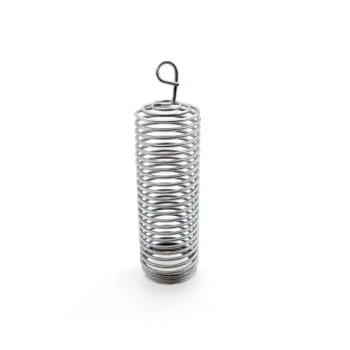
- Durable Galvanized Steel Spring Queen Bee Cage
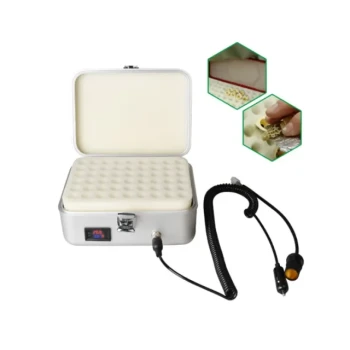
- Portable Queen Bee Incubator with 12V Car Adapter for Safe Transport
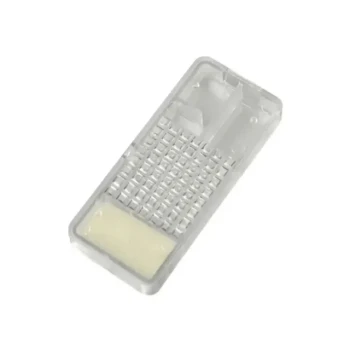
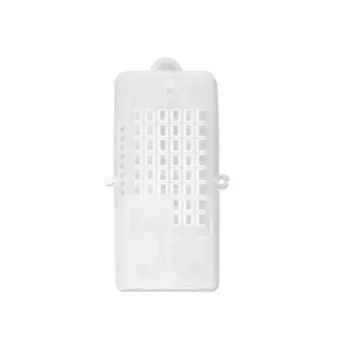
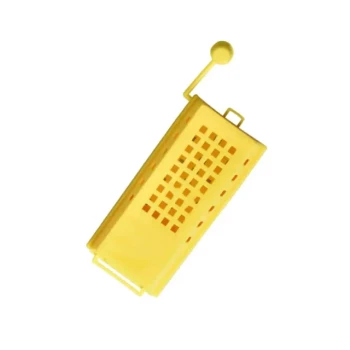
- Professional Queen Bee Introduction and Transport Cage
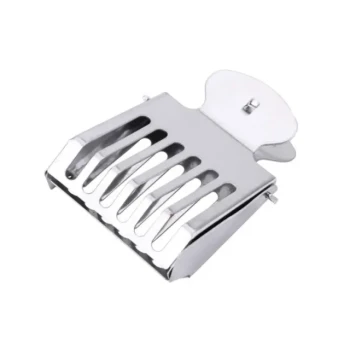
- Heavy Duty Stainless Steel Queen Bee Catcher Clip
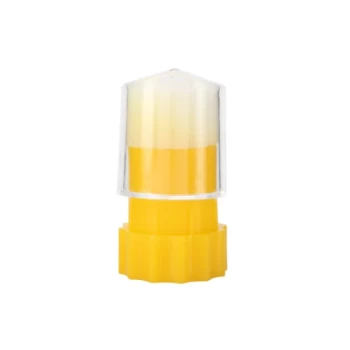
- Queen Bee Catcher Plastic Bee Marker Bottle with Piston Marking Tube
Related Articles
- An Engineered Truce: The Psychology of the Queen Cage
- Maximizing Queen Cage Value: A Beekeeper's Guide to Safe Reuse & Long-Term Savings
- A Timed Release of Power: The Social Engineering of the Queen Cage
- The Queen Cage's Ledger: A Systems Approach to Apiary Biosecurity
- The Diplomatic Interface: Why Queen Cage Maintenance is a Study in Risk Management