A Single Pallet Can Define an Apiary
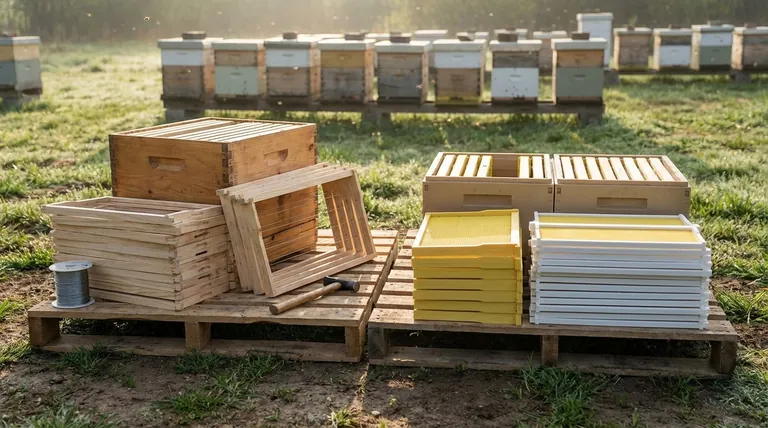
Imagine two pallets arriving at a commercial apiary on a cool spring morning.
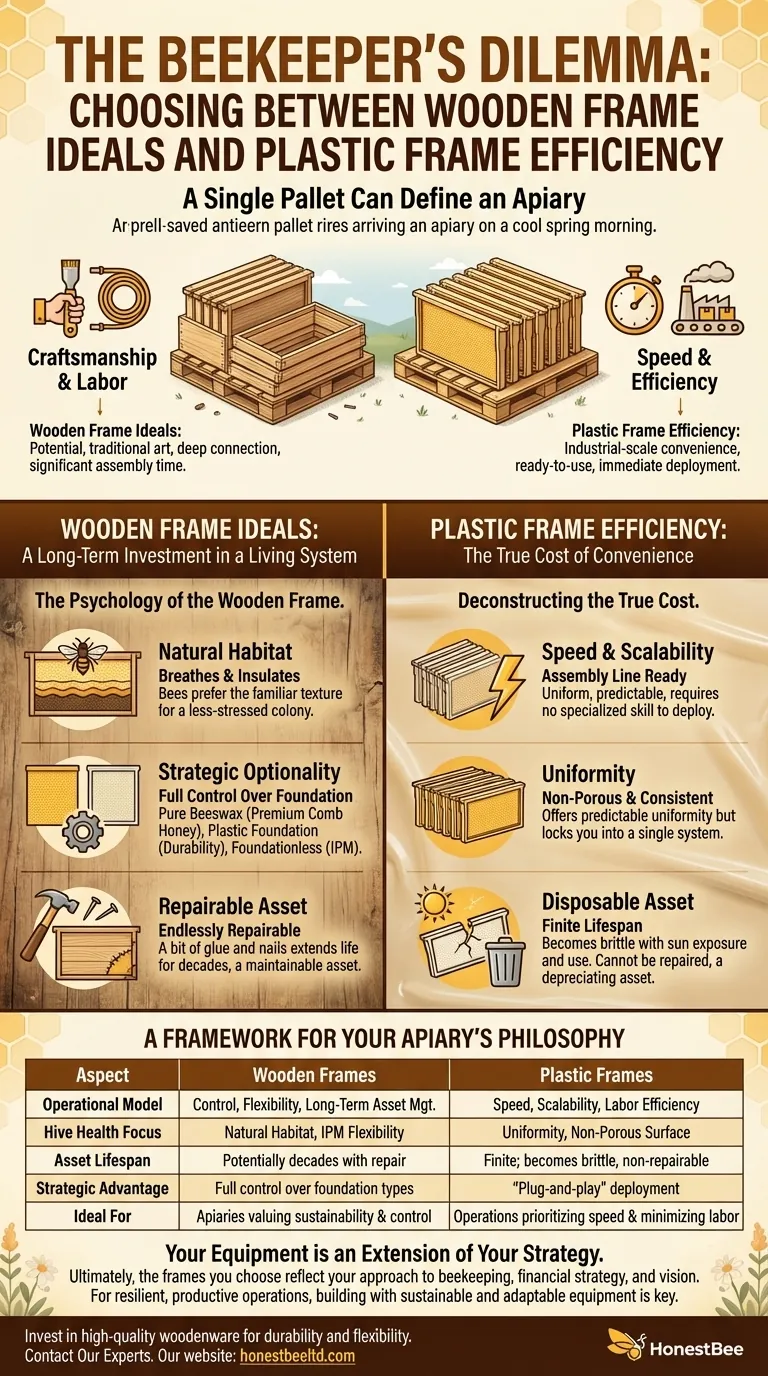
One pallet holds thousands of perfectly milled, unassembled wooden frame components. It represents potential, craftsmanship, and a deep connection to the traditional art of beekeeping. It also represents hours of labor—a mountain of assembly and wiring standing between the beekeeper and hive expansion.
The other pallet holds neat stacks of ready-to-use plastic frames. It represents speed, efficiency, and industrial-scale convenience. A beekeeper can have them inside a hive within minutes.
The choice between these two pallets is not merely about material. It’s a fundamental decision about the philosophy and operational strategy of the entire apiary.
The Psychology of the Wooden Frame
There's a reason wooden frames have been the standard for centuries. The appeal goes beyond simple nostalgia; it’s rooted in a deeper understanding of the hive as a biological system, not just a production unit.
An Investment in a Living System
Wood is not an inert material. It breathes. It offers insulation. It has a texture bees have been working with for millennia.
For beekeepers who view their colonies as partners, providing them with a natural, familiar environment is a non-negotiable first step. This isn't just sentimentality; it's a belief that a less-stressed colony, comfortable in its surroundings, is a healthier and more productive colony. The equipment becomes an extension of the hive’s natural biology.
The Power of Strategic Optionality
This is perhaps the most overlooked, yet most critical, advantage of wood for a professional operation.
Wooden frames grant you options. You retain full control over the foundation:
- Pure Beeswax: For the purist, or for producing premium comb honey.
- Plastic Foundation: For durability when you need it.
- Foundationless: To allow bees to build their own natural-sized comb, a key practice in some Integrated Pest Management (IPM) strategies.
Plastic frames remove these options. You are locked into a single system. In a business as dynamic as agriculture, forfeiting strategic flexibility for upfront convenience is a significant, often hidden, cost.
Deconstructing the True Cost of Convenience
The immediate, undeniable advantage of plastic is the time it saves. In a business where labor is a primary expense, this is a powerful incentive. But we must look past the initial setup and analyze the long-term operational calculus.
The Assembly Line vs. The Workshop
Plastic frames arrive ready for the "assembly line." They are uniform, predictable, and require no specialized skill to deploy.
Wooden frames, when purchased unassembled, demand a "workshop" phase. This time spent is often viewed as a cost. However, it can also be seen as the first step in quality control. The beekeeper touches every frame, ensuring its integrity before it ever houses a bee. This act of building fosters a deeper connection and understanding of the equipment’s role.
A Short-Term Solution to a Long-Term Game
The lifecycle of your equipment is a critical financial metric.
- Plastic: It's incredibly durable until it's not. With sun exposure and use, it becomes brittle. A cracked or broken plastic frame is garbage. It cannot be repaired. It is a depreciating asset with a finite end.
- Wood: It can break from a clumsy hive tool or rot if neglected. But it is also endlessly repairable. A bit of waterproof glue and a few nails can put a wooden frame back into service for years, even decades. It is a maintainable, long-term asset.
For a commercial operation managing thousands of frames, the difference between "disposable" and "repairable" has a profound impact on the bottom line over a ten-year horizon.
A Framework for Your Apiary's Philosophy
Your choice is not about which frame is "best," but which frame best aligns with your operational goals and business philosophy. There is no universally correct answer, only the one that is right for you.
| Aspect | Wooden Frames | Plastic Frames |
|---|---|---|
| Operational Model | Control, Flexibility, Long-Term Asset Mgt. | Speed, Scalability, Labor Efficiency |
| Hive Health Focus | Natural Habitat, IPM Flexibility | Uniformity, Non-Porous Surface |
| Asset Lifespan | Potentially decades with repair | Finite; becomes brittle, non-repairable |
| Strategic Advantage | Full control over foundation types | "Plug-and-play" deployment |
| Ideal For | Apiaries valuing sustainability & control | Operations prioritizing speed & minimizing labor |
Your Equipment is an Extension of Your Strategy
Ultimately, the frames you place in your hives do more than just hold comb. They reflect your approach to beekeeping, your financial strategy, and your vision for the future of your apiary.
For commercial beekeepers who view their equipment not as a disposable commodity but as a long-term investment in hive health and operational control, the choice becomes clear. Building a resilient, productive operation starts with the right foundation, and that foundation is built on equipment that is as sustainable and adaptable as the colonies themselves.
If your strategy is built on durability, flexibility, and a deep commitment to hive health, investing in high-quality woodenware is the logical next step. Contact Our Experts
Visual Guide
Related Products
- Wooden Bee Hive Frames for Beekeeping and Wholesale
- Stainless Steel Bee Hive Frame Wire for Beekeeping
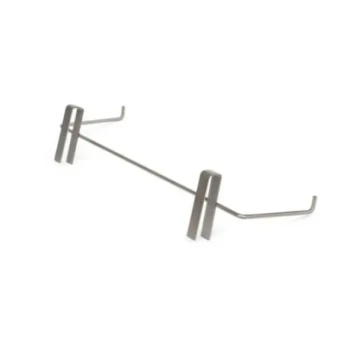
- Heavy-Duty Stainless Steel Clip-On Frame Perch
- Assembled Wooden Bee Frames with Plastic Foundation for Durability and Convenience by HONESTBEE
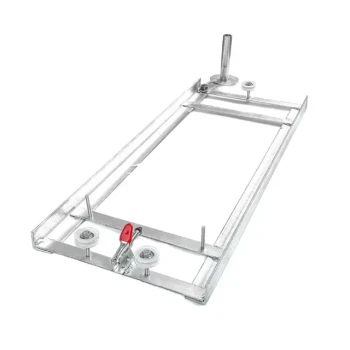
- Professional Galvanized Steel Frame Rest for Beehives
Related Articles
- Wooden vs. Plastic Bee Hive Frames: Balancing Sustainability and Practicality
- Assembled vs. Unassembled Frames: A Beekeeper’s Time-Value Analysis
- The Unseen Enemy: Why Mold on Beehive Frames Is a Symptom, Not the Disease
- How to Wire Beehive Frames for Maximum Durability and Honey Production
- How to Choose Beehive Frames: Balancing Bee Health, Honey Yield, and Beekeeper Convenience