Imagine pulling a heavy frame of honey from a super. It’s capped, golden, and ready for extraction. But as you inspect it, you see the tell-tale pattern of brood—a patch of larvae nestled right in the middle of your harvest. The process just became more complicated, the honey potentially tainted, and future worker bees lost.
This single moment reveals a fundamental tension in beekeeping: the human desire for order versus the beautiful, chaotic nature of a colony.
The queen excluder is the physical manifestation of this tension. It's not just a piece of equipment; it's an idea. It’s the imposition of a simple, rigid rule—a zoning law—on the bustling metropolis of the hive.
Imposing Order on the Superorganism
At its core, a beehive is a self-organizing system. A queen excluder allows the beekeeper to become its architect.
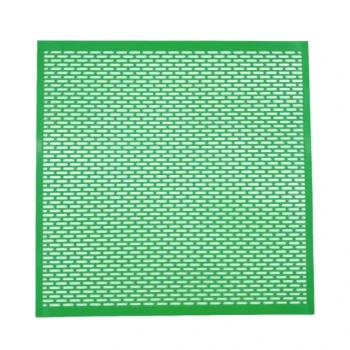
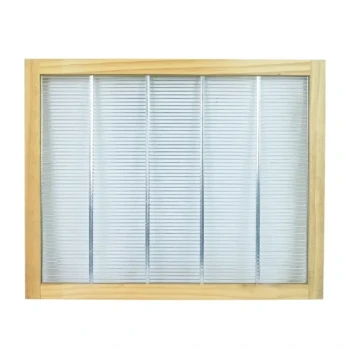
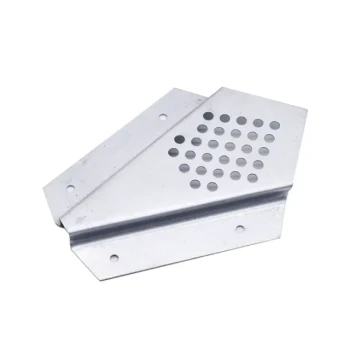
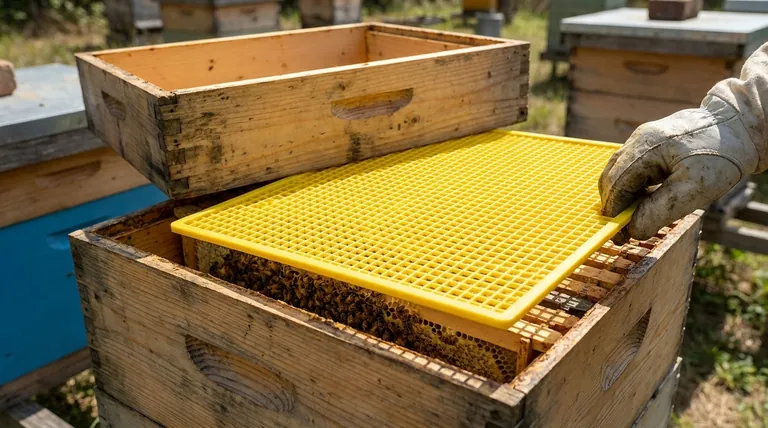
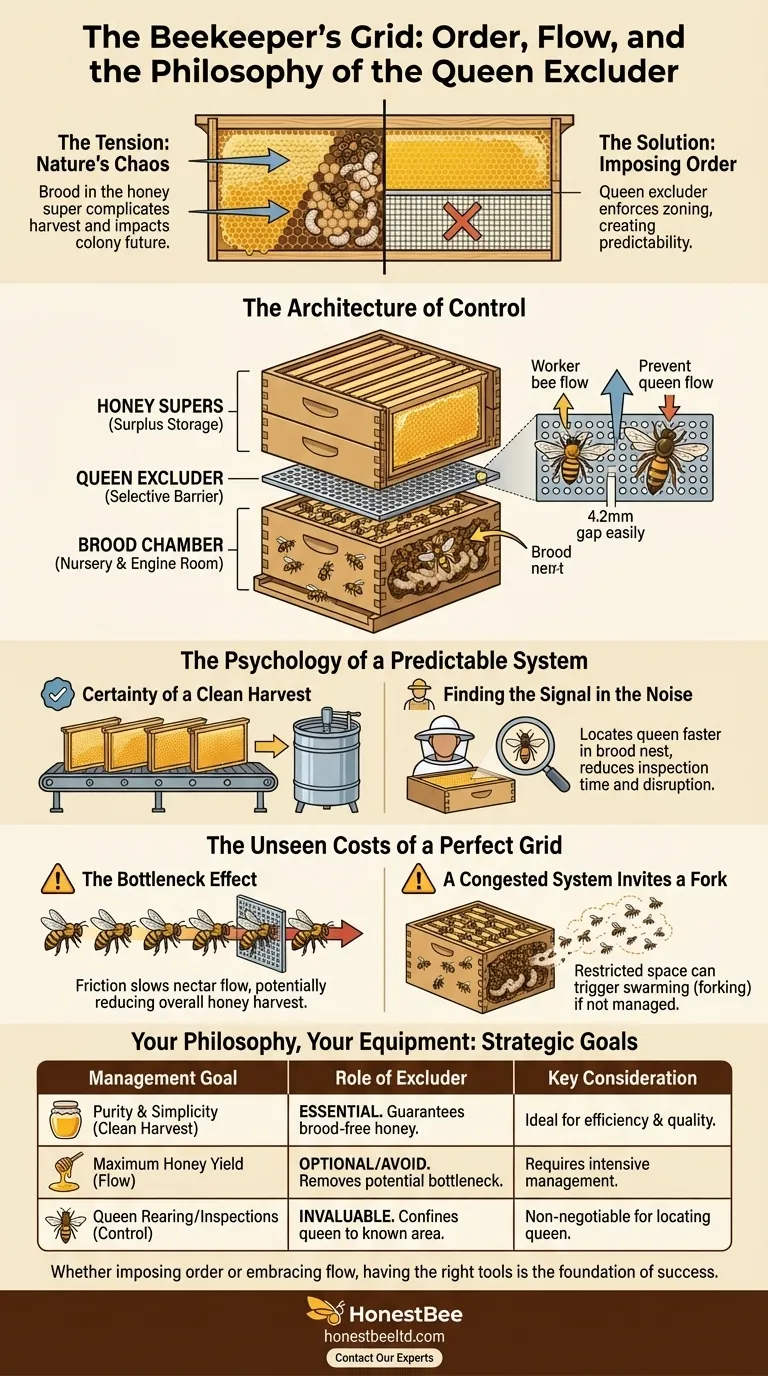
This perforated sheet is a selective barrier, a gatekeeper built on a simple physical truth: worker bees are smaller than queen bees. The gaps, precisely engineered to be around 4.2 millimeters, allow the nimble workforce to pass through while preventing the larger queen and drones from entering the honey supers.
The Architecture of Control
In a standard Langstroth hive, the colony is divided into two distinct zones:
- The Brood Chamber: The lower boxes of the hive. This is the nursery and engine room, where the queen lays her eggs and the colony raises its young.
- The Honey Supers: The upper boxes, intended solely for the storage of surplus honey—the beekeeper's harvest.
The queen excluder acts as a hard ceiling for the queen. Placed between the top brood box and the bottom honey super, it enforces a strict separation between the "residential" and "commercial" districts of the hive.
The Psychology of a Predictable System
For commercial apiaries, predictability is not a luxury; it's a cornerstone of an efficient operation. The queen excluder provides a powerful sense of control, which translates into tangible benefits.
The Certainty of a Clean Harvest
This is the primary motivation for most beekeepers. By guaranteeing honey supers are free of brood, the excluder transforms harvesting from a potentially messy affair into a streamlined, predictable process. Every frame taken from a super is a frame of pure honey, ready for extraction without complication.
This simplifies workflow, reduces labor costs, and ensures a higher quality final product.
Finding the Signal in the Noise
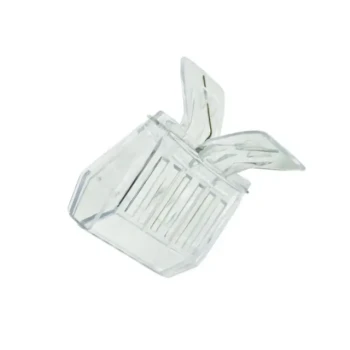
Locating the queen in a hive of 50,000 bees can be like finding a needle in a haystack. For health checks, mite counts, or requeening, time is critical. An excluder cuts the search area in half, or even more.
You know with absolute certainty that she is in the boxes below the grid. This dramatically reduces inspection time, minimizes disruption to the colony, and lowers stress on both the bees and the beekeeper.
The Unseen Costs of a Perfect Grid
No intervention in a complex system comes without trade-offs. The elegant order provided by the excluder has consequences that have led some beekeepers to nickname it the "honey excluder."
The Bottleneck Effect
The core criticism is that the grid creates friction. Worker bees, laden with nectar, may hesitate or struggle to pass through the barrier. While a minor delay for one bee is insignificant, this friction multiplied across thousands of trips per day can create a bottleneck.
This can potentially slow the rate at which bees build comb and store honey, leading to a smaller overall harvest. The system’s total throughput is limited by its tightest constraint.
A Congested System Invites a Fork
By physically limiting the queen's laying space, the brood nest can become congested with brood, pollen, and nectar more quickly. This condition, known as being "brood bound," is a primary trigger for swarming.
The colony, feeling its space is restricted, may decide to "fork"—to split the population by raising a new queen and having the old one leave with half the workforce. A beekeeper using an excluder must be more vigilant about managing space in the brood chamber to prevent this costly event.
Your Philosophy, Your Equipment
The decision to use a queen excluder is not a technical question but a strategic one. It depends entirely on your operational goals. This is where a clear understanding of the trade-offs is essential for a commercial apiary.
| Management Goal | The Role of the Queen Excluder | Key Consideration |
|---|---|---|
| Purity & Simplicity | Essential. Guarantees brood-free honey supers for clean, easy harvesting. | Ideal for operations where process efficiency and product quality are paramount. |
| Maximum Honey Yield | Optional/Avoid. Removes a potential bottleneck for worker bees, possibly increasing production. | Requires more intensive management to keep the queen from laying in honey supers. |
| Queen Rearing/Inspections | Invaluable. Confines the queen to a known area, saving immense time and reducing hive disruption. | A non-negotiable tool for any workflow that requires frequently locating the queen. |
For large-scale operations, the reliability of this simple grid is non-negotiable. A warped or poorly manufactured excluder with inconsistent spacing doesn't just fail at its job; it can injure bees and undermine an entire season's strategy. At HONESTBEE, we focus on supplying durable, precision-engineered beekeeping equipment that commercial apiaries can depend on.
Whether you choose to impose order or embrace the flow, having the right tools is the foundation of success. Ready to equip your operation for its chosen strategy? Contact Our Experts
Visual Guide
Related Products
- High Performance Plastic Queen Excluder for Beekeeping and Apiary Management
- Professional Plastic Queen Excluder for Modern Beekeeping
- Lightweight Durable Plastic Queen Excluder Scraper for Beekeeping
- Metal Queen Bee Excluder for Beekeeping
- Premium Wood Framed Metal Wire Queen Bee Excluder
Related Articles
- How Plastic Queen Excluders Improve Hive Longevity and Colony Health
- Plastic Queen Excluders vs. Alternatives: A Beekeeper’s Guide to Smarter Hive Management
- Why Plastic Queen Excluders Outperform Metal and Wood: Science, Savings, and Hive Protection
- How to Choose Queen Excluders Based on Colony Behavior and Queen Traits
- The Geometry of Order: Why the Queen Excluder is a Beekeeper's Most Strategic Tool