A Tale of Two Springs
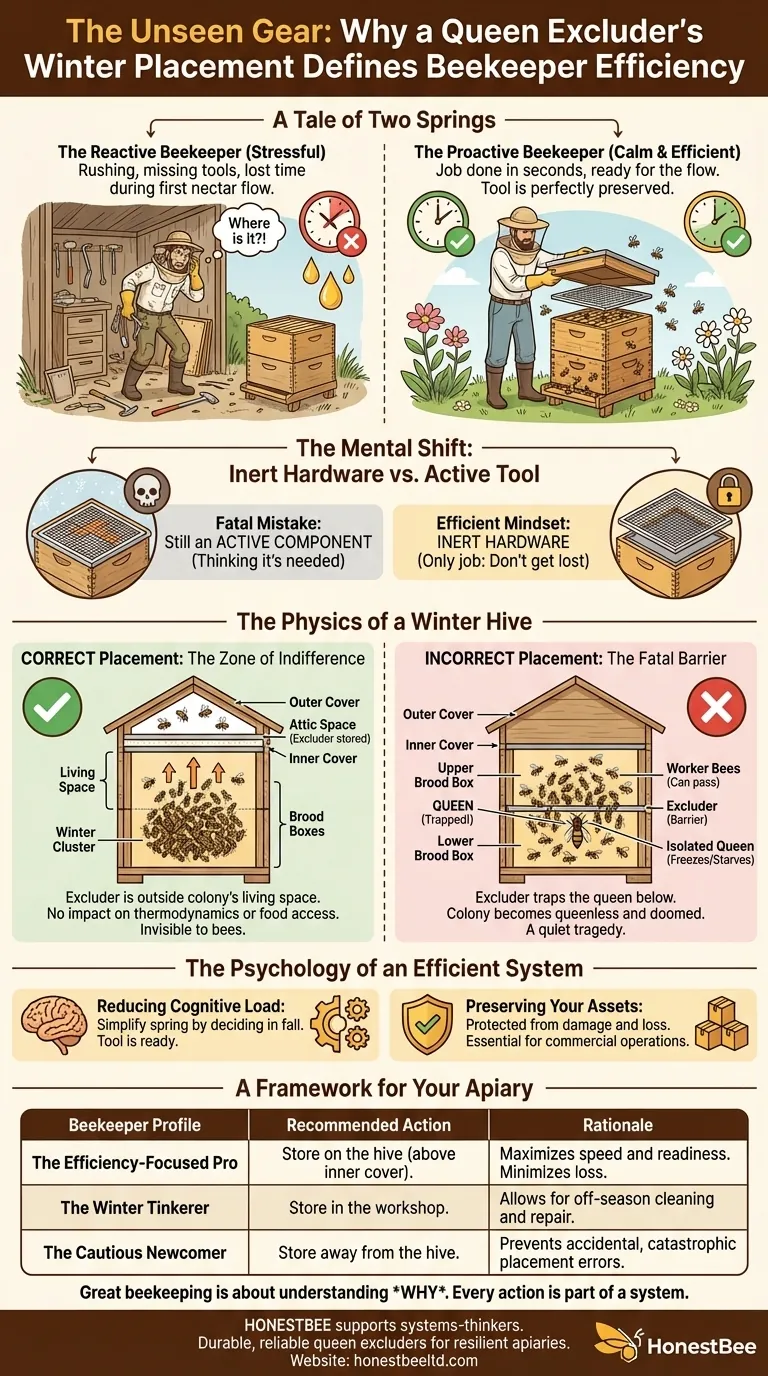
Imagine a cool April morning. The first maples are budding, and the air hums with a new energy. In one apiary, the beekeeper is rushing, pulling queen excluders from a damp shed. Some are bent; one is missing. Time is lost, and the first nectar flow waits for no one.
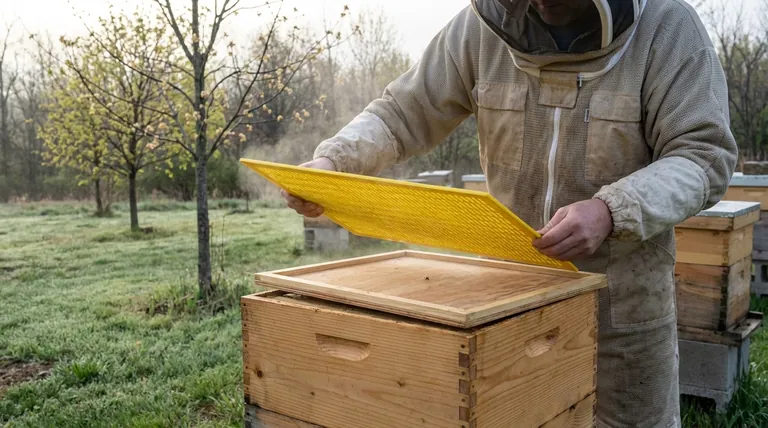
In another yard, the work is calm. The beekeeper simply lifts the outer cover of each hive, moves the perfectly preserved excluder from its winter storage spot into its active position above the brood box, and closes up. The job is done in seconds.
The difference isn't luck. It's a simple, elegant system, born from understanding a single piece of equipment.
The Mental Shift: Inert Hardware vs. Active Tool
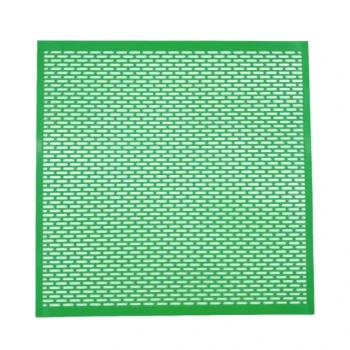
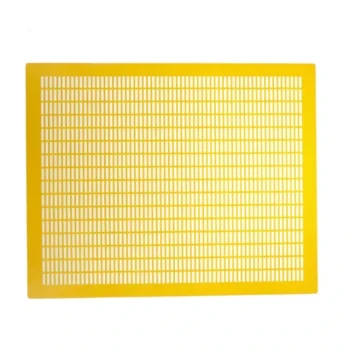
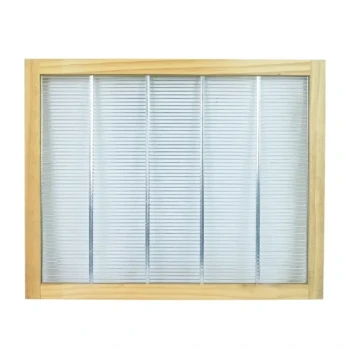
The queen excluder is a tool with a single, specific purpose: to keep the queen and her brood out of the honey supers during the nectar flow. In winter, this function is not needed.
The fatal mistake is a failure of mental models. Beekeepers who lose colonies over winter by misplacing an excluder are still thinking of it as an active component within the hive. They leave it where it was in July.
The efficient beekeeper understands that from the first frost to the first thaw, the excluder becomes inert hardware. Its only job is to not get lost. This simple shift in perspective is everything.
The Physics of a Winter Hive
A honeybee colony overwinters as a single organism—a cluster that generates heat and moves slowly upwards, consuming honey stores. Any obstacle that interrupts this movement can be a death sentence.
Correct Placement: The Zone of Indifference
When you place a queen excluder above the inner cover, it sits outside the colony's living space.
- The inner cover is the ceiling of their home.
- The space between the inner and outer cover is just an attic.
The bees are not moving through this space. The excluder has zero impact on their thermodynamics or their ability to access food. It is, for all intents and purposes, invisible to them.
Incorrect Placement: The Fatal Barrier
Leaving an excluder between brood boxes or below the main honey stores is a catastrophic error.
As the winter cluster eats its way upward, the worker bees can easily pass through the grid. But the queen, slightly larger, cannot.
She is left behind, isolated from the cluster's warmth and food. She will freeze and starve, and the colony, now queenless, is doomed. It’s a quiet tragedy caused by a simple oversight.
The Psychology of an Efficient System
Choosing to store the excluder on the hive is not about laziness. It's about strategic efficiency—a mindset common among engineers and successful commercial beekeepers.
Reducing Cognitive Load
The spring rush is a period of high demand on a beekeeper's attention. Every decision, every search for a tool, consumes mental energy. By storing the excluder on the hive, you make a decision in the fall that simplifies your spring. You've eliminated a future task. The tool is exactly where it needs to be, right when you need it.
Preserving Your Assets
Sheds and barns are harsh environments. Equipment gets damaged, buried, or forgotten. An excluder stored on the hive is protected from being bent by a falling shovel or misplaced behind stacks of old supers. For a commercial operation, where every piece of equipment is a numbered asset, this level of organization isn't a luxury; it's essential for profitability.
A Framework for Your Apiary
How you manage this comes down to your operational style.
| Beekeeper Profile | Recommended Action | Rationale |
|---|---|---|
| The Efficiency-Focused Pro | Store on the hive (above inner cover). | Maximizes speed and readiness for spring. Minimizes equipment loss and damage. |
| The Winter Tinkerer | Store in the workshop. | Allows for off-season cleaning, scraping, and repair, ensuring gear is pristine. |
| The Cautious Newcomer | Store away from the hive. | Prevents accidental, catastrophic placement errors until hive configurations are second nature. |
Ultimately, great beekeeping is about understanding not just what you are doing, but why you are doing it. Every action, no matter how small, is part of a larger system.
At HONESTBEE, we support the systems-thinkers—the commercial apiaries and distributors who know that reliable, well-designed equipment is the foundation of an efficient operation. Our durable, precisely manufactured queen excluders are built to withstand season after season, becoming a seamless part of your workflow. To build a more resilient and productive apiary, you need tools you can trust. Contact Our Experts
Visual Guide
Related Products
- High Performance Plastic Queen Excluder for Beekeeping and Apiary Management
- Professional Plastic Queen Excluder for Modern Beekeeping
- Lightweight Durable Plastic Queen Excluder Scraper for Beekeeping
- Metal Queen Bee Excluder for Beekeeping
- Premium Wood Framed Metal Wire Queen Bee Excluder
Related Articles
- How Plastic Queen Excluders Improve Hive Longevity and Colony Health
- Plastic Queen Excluders vs. Alternatives: A Beekeeper’s Guide to Smarter Hive Management
- Why Plastic Queen Excluders Outperform Metal and Wood: Science, Savings, and Hive Protection
- How to Choose Queen Excluders Based on Colony Behavior and Queen Traits
- The Geometry of Order: Why the Queen Excluder is a Beekeeper's Most Strategic Tool