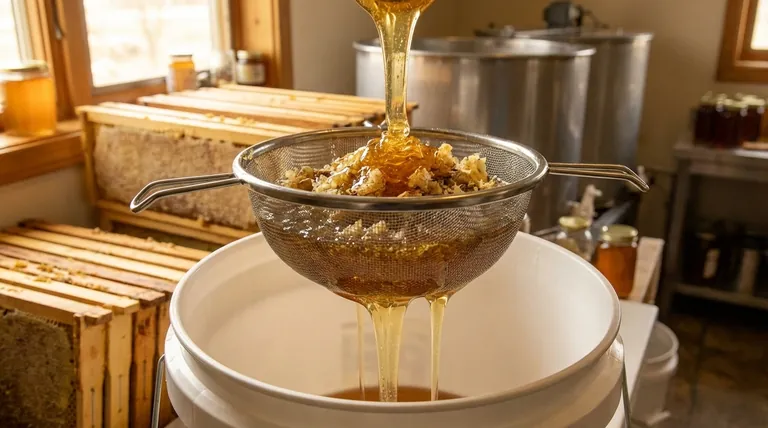
You know the scene. You’ve just completed a long, successful extraction. The air is thick with the sweet smell of honey. But now, at the final step, everything grinds to a halt. The honey, which should be flowing smoothly into its final containers, is barely dripping through the filter. You scrape. You wait. An hour later, it’s clogged again. It's a sticky, frustrating bottleneck that costs you precious time and energy.
The Costly Cycle of "Good Enough" Filtering
This scenario is a daily reality in honey houses everywhere, from burgeoning side-hustles to established commercial apiaries. The common reaction is to fight the equipment—blaming a "thick" batch of honey or simply accepting clogged filters as a cost of doing business. Some might try a coarser filter, only to later field complaints from a distributor about wax flecks or find their product disqualified from a competition.
This isn't just an operational headache; it's a direct hit to your bottom line. Every hour spent scraping a clogged filter is an hour of paid labor wasted. Every production bottleneck delays your ability to get product to market. And every batch that doesn't meet customer expectations, whether from a retail buyer or a competition judge, chips away at your brand's reputation for quality and consistency.
The Real Culprit: A Mismatch Between Your Tool and Your Goal
Here is the truth that can end this cycle of frustration: The problem is rarely the honey and it's not a faulty filter. It's a fundamental mismatch between the tool you're using and the specific goal for that batch of honey.
The key to understanding this lies in a single number: the filter's micron rating.
A micron is a tiny unit of measurement (one-millionth of a meter) that defines the size of the holes in your filter mesh.
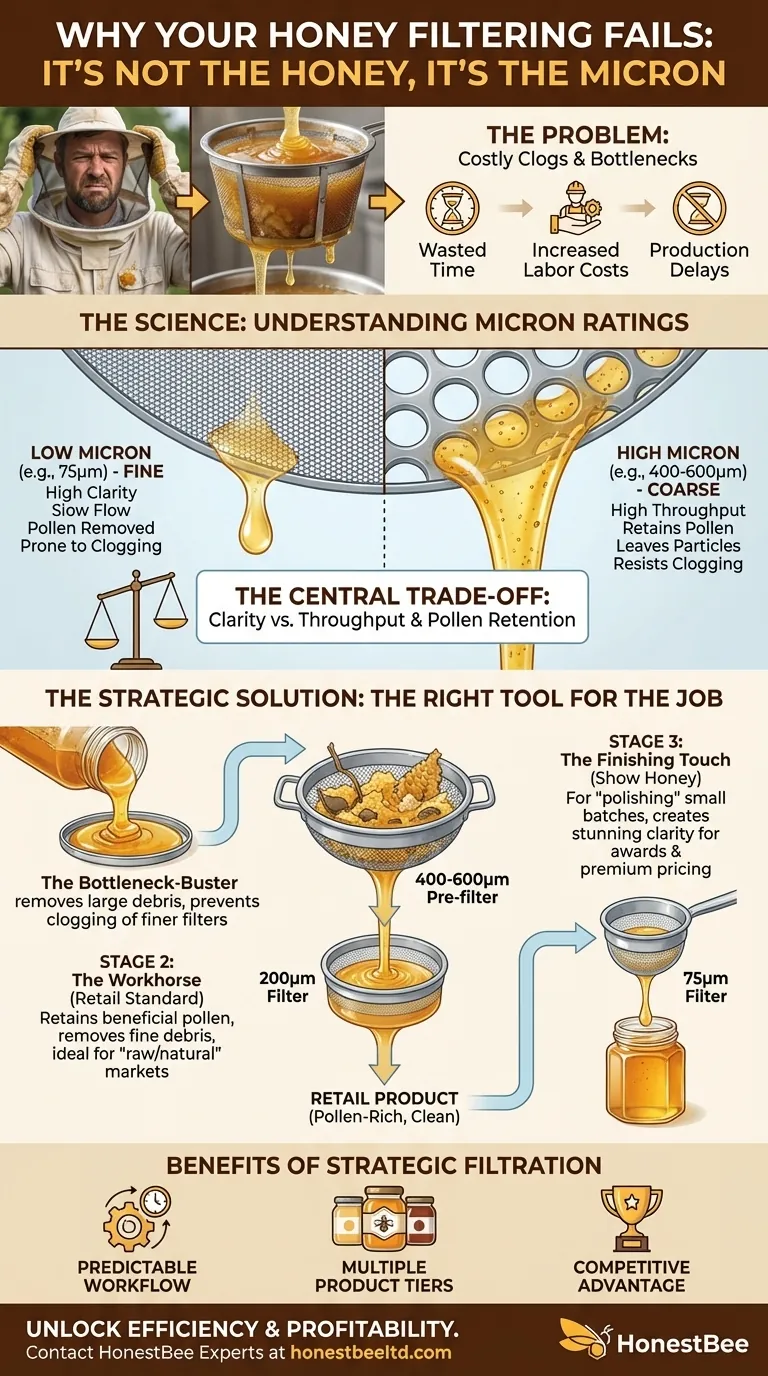
- Low Micron Number (e.g., 75): Tiny holes. Creates incredibly clear, brilliant honey by removing very fine particles. However, it clogs very quickly and also removes much of the desirable pollen.
- High Micron Number (e.g., 200, 400): Larger holes. Allows honey to flow much faster and retains beneficial pollen, but leaves behind finer, suspended particles.
This creates the central trade-off in honey processing: Clarity vs. Throughput & Pollen Retention.
This is why your previous attempts failed. Using a fine 75-micron filter for a 50-gallon batch destined for the farmer's market is like trying to mow a football field with scissors. You’re using a polishing tool for a bulk processing job. Conversely, using a coarse 400-micron strainer for your competition entry will leave it cloudy and guarantee you won't place. You can't fight physics; you have to work with it.
The Right Tool for the Job: A Strategic Filtration System
To master your honey, you don't need a single "magic" filter; you need a strategic toolkit. The goal is not just to filter honey, but to produce a specific type of product with maximum efficiency.
At HONESTBEE, our range of filtration equipment is designed precisely around this principle, providing the purpose-built tools commercial operations need.
The Workhorse for Retail: The 200-Micron Filter
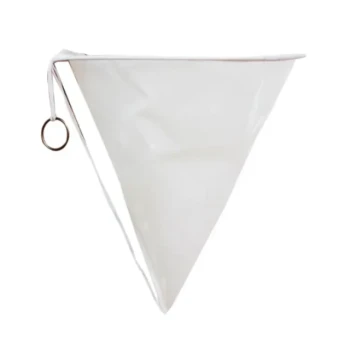
For honey sold as "raw" or "natural" at markets or through distributors, retaining pollen is a key selling point. Our 200-micron filters are the industry standard for this purpose. They are engineered to strike the perfect balance—removing all unwanted hive debris while allowing valuable pollen to pass through, ensuring a clean product that meets consumer expectations without sacrificing its natural character.
The Finishing Touch for Show Honey: The 75-Micron Filter
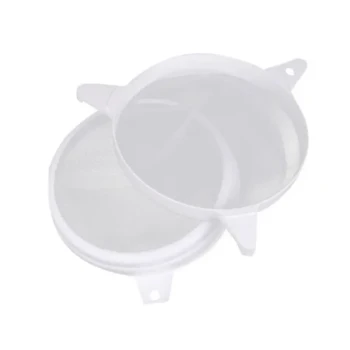
When clarity is the only thing that matters, you need a finishing tool. Our 75-micron filters are designed for that final, "polishing" pass on a small, high-value batch. It’s the tool you use to create the stunning, crystal-clear honey that wins awards and commands a premium price.
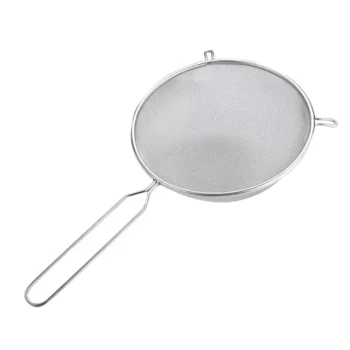
The Bottleneck-Buster for High Volume: The 400-600 Micron Strainer
For any serious commercial operation, efficiency is king. The fastest way to process large volumes is a two-stage system. Our robust 400-600 micron pre-filters act as the first line of defense, rapidly removing all the large wax and hive particles. This prevents your main 200-micron filter from ever clogging, transforming your filtering process from a slow drip into a steady, reliable flow.
Beyond Filtering: Unlocking Efficiency and New Product Tiers
When you stop fighting your equipment and start using it strategically, everything changes. The filtering station is no longer a source of dread. It becomes a predictable, efficient part of your workflow.
This control unlocks new possibilities. You can now confidently and efficiently produce different tiers of honey for different markets—a high-volume, pollen-rich product for your wholesale accounts and a separate, brilliantly clear premium line for specialty shops or competitions. You turn a production bottleneck into a competitive advantage, allowing you to process your harvest faster, meet distributor deadlines without stress, and build a reputation for consistent, superior quality.
Choosing the right filter is more than a technical detail; it's a business decision that impacts your labor costs, production capacity, and brand value. Our team understands the unique challenges of moving from hobbyist to commercial-scale production. We don't just sell equipment; we provide the strategic tools that help your operation grow and thrive. If you're ready to solve your filtration problems for good and optimize your honey house for profitability, we're here to help. Contact Our Experts to discuss your specific operational needs.
Visual Guide
Related Products
- Professional Stainless Steel Honey Filter with Support Handle
- Professional Honey Filter with Tripod Support Stand
- Electric Double Wall Honey Filtering Machine Purifier Equipment for Honey Processing Plant
- Professional Stainless Steel Honey Filtering Machine with Water Bath Heating for Beekeeping
- Honey Concentrating and Filtering Dehumidifier Machine 2T Capacity for Honey
Related Articles
- The Sticky Bottleneck: Why Your Honey Filtering Fails and How to Fix It for Good
- The Quality vs. Scale Dilemma: Why Your Honey Filtering Process Is Broken (And How to Fix It for Good)
- How to Choose the Right Honey Filter for Your Beekeeping Operation
- Why Your Honey Filtering Process is Failing (And It’s Not the Honey’s Fault)
- The Honey Bottleneck: Why Your Filtering Process Is Slowing Growth—And How to Fix It