All Questions
What Are The Top Types Of Honey Bee Feeders? Choose The Right Feeder For Your Hive's Needs
Discover the 3 main types of honey bee feeders: entrance, frame, and hive-top feeders. Learn their pros, cons, and best uses for your apiary.
What Are Some Tips For Effective Feeding With Honey Bee Feeders? Boost Hive Health & Productivity
Learn when and how to feed honey bees, including the correct sugar syrup ratios for spring stimulation vs. fall storage, to prevent starvation and support colony growth.
What Factors Should Be Considered When Choosing A Honey Bee Feeder? Essential Guide For Healthy Colonies
Learn the key factors—bee safety, capacity, ease of use, and durability—to choose the right honey bee feeder for your apiary.
What Are The Benefits Of Honey Bee Feeders? A Strategic Tool For Colony Survival And Growth
Discover how honey bee feeders prevent starvation, stimulate growth, and boost productivity for your apiary. Learn strategic feeding techniques.
What Is The Role Of A Frame Feeder In Queen Rearing? Simulate A Nectar Flow For Success
Discover how a frame feeder simulates a nectar flow to boost queen cell acceptance and quality in your queen rearing operation.
Why Is Timing Important When Feeding Pollen To Bees? Master The Key To Colony Health And Honey Production
Learn why pollen feeding timing is critical for bee colony health. Avoid premature feeding risks and discover the best times to stimulate growth for maximum honey yield.
How Is Pollen Used For Feeding Bees? A Guide To Timing And Methods For Healthy Hives
Learn the two main methods for feeding pollen to bees: patties & dry feed. Understand the critical timing to stimulate brood without stressing the colony.
What Is The Purpose Of The Transparent Cup In The Bee Feeder? Prevent Drowning & Monitor Your Hive
Learn how the transparent cup in a bee feeder prevents bees from drowning and allows beekeepers to easily monitor feeding activity for colony health.
How Do Bees Enter A Bee Rapid Feeder? Discover The Safe Internal Access Design
Learn how bees safely access syrup in a rapid feeder through an internal chimney, minimizing drowning risks for efficient hive feeding.
What Is The Primary Function Of A Bee Rapid Feeder? A Strategic Tool For Colony Health
Learn how a bee rapid feeder prevents starvation, stimulates growth, and aids in comb construction for beekeepers managing their apiaries.
What Is Drivert Sugar And When Is It Preferred For Feeding Bees? The Best Winter Feeding Strategy
Discover why drivert sugar is the preferred dry feed for honey bees in winter, preventing moisture buildup and ensuring colony survival.
How Long Should Bees Be Fed After Hiving? Feed Until The First Brood Box Is Fully Drawn
Learn the key rule for feeding new bee colonies: provide 1:1 sugar syrup until all frames in the first hive box are fully drawn with wax comb.
What Is The Recommended Type Of Feeder And Why? Top Feeders For Superior Hive Health & Efficiency
Discover why top feeders are the best choice for beekeeping, offering convenience, reduced robbing risk, and minimal hive disruption for healthier colonies.
How Should Syrup For Bees Be Prepared? Master The Ratio For A Thriving Hive
Learn the correct 1:1 and 2:1 bee syrup recipes for spring stimulation and winter stores, plus key preparation steps to avoid harming your bees.
What Are The General Considerations When Choosing A Honey Bee Feeder? Ensure Colony Health And Efficiency
Learn how to choose the right honey bee feeder by balancing capacity, bee safety, and robbing risk to support your beekeeping goals.
What Precautions Should Be Taken When Using Entrance Feeders? Minimize Robbing Risk For Your Hive
Learn key precautions for using entrance feeders safely, including timing, colony strength assessment, and how to prevent robbing behavior in your apiary.
How To Feed Dry Pollen Substitute To Bees? Boost Early Brood Production With Open Feeding
Learn the best practices for open-air feeding of dry pollen substitute to stimulate brood rearing and bridge forage gaps in your apiary.
Where Should A Bee Watering Station Be Placed? A Guide To Optimal Bee Safety And Hydration
Learn the best practices for placing a bee watering station to ensure bee safety, accessibility, and effective hydration near their food sources.
How Do You Feed Bees Outside The Hive? Understanding The Risks And Safe Alternatives
Learn how to feed bees outside the hive (open feeding), its significant risks like robbing and disease, and why internal hive feeding is the safer, professional method.
What Is The Best Way To Top Feed Bees? A Safe, High-Volume Feeding Solution For Your Apiary
Discover the best practices for top feeding bees, including choosing the right feeder design, using the correct sugar syrup, and preventing drowning risks.
How To Feed Dry Pollen To Bees? Boost Colony Strength With Effective Supplementation
Learn when and how to feed dry pollen or substitutes to bees using open feeding methods for better brood production and colony health.
What Is An Entrance Feeder? A Guide To Its Simple Design And High Robbing Risk
Learn how entrance feeders work, their pros and cons like robbing risk, and when to use them for water or syrup feeding in beekeeping.
Are Bee Feeders Good For Bees? A Guide To Responsible Feeding For Healthy Hives
Learn when and how to use bee feeders correctly to support colony health without creating dependency or attracting pests.
Where To Put A Bee Feeder In A Hive? Maximize Colony Health And Safety
Learn the best bee feeder placement for your hive type. Compare internal vs. external options to prevent robbing and ensure bee safety.
How To Feed Bees From The Top? A Guide To Safe And Efficient Hive Feeding
Learn how to use top hive feeders to feed bees safely, prevent robbing, and support colony health with minimal disturbance.
Is Sugar Mixed With Water Good For Bees? A Guide To Safe & Effective Supplemental Feeding
Learn when and how to feed sugar water to bees safely. A vital emergency energy source, but not a replacement for natural nectar.
Is It Bad To Feed Bees Sugar? A Guide To Safe & Effective Supplemental Feeding
Learn when and how to safely feed sugar to bees to prevent starvation, support new colonies, and navigate nectar dearths.
How Much Sugar Syrup For Bees? A Beekeeper's Guide To Seasonal Feeding Ratios
Learn the correct 1:1 and 2:1 sugar syrup ratios for bees based on season and goal, from spring stimulation to winter survival feeding.
Can You Feed Bees Too Much Sugar Syrup? Avoid These Critical Beekeeping Mistakes
Learn the hidden dangers of overfeeding bees sugar syrup, including hive robbing, a honey-bound brood nest, and HMF toxicity risks.
What Is The Best Sugar For Bee Syrup? Use Pure White Sugar For Healthy Colonies
Discover why plain white sugar is the safest choice for bee syrup, avoiding harmful alternatives like brown sugar that can cause bee dysentery.
What Is The Ratio Of Sugar To Water For Feeding Bees? A Beekeeper's Guide To Strategic Feeding
Learn the correct 1:1 and 2:1 sugar-to-water ratios for feeding bees. Master spring stimulation and winter preparation for optimal hive health.
How To Make Your Own Bee Syrup? A Simple Guide For Healthy, Thriving Hives
Learn the correct sugar-to-water ratios for bee syrup, proper mixing techniques, and critical mistakes to avoid for successful beekeeping.
When Should I Start Feeding My Bees Pollen? Master The Timing For A Strong Spring Colony
Learn the ideal timing for feeding pollen patties to stimulate brood rearing, align with nectar flows, and build a powerful honey bee workforce.
When To Start Feeding Bees Syrup? A Strategic Guide For Strong, Healthy Hives
Learn the 4 key times to feed bees sugar syrup for colony growth, survival, and winter prep. Get the right ratios and methods to avoid risks.
When To Feed Pollen To Bees? Boost Your Hive's Strength For A Bigger Honey Harvest
Learn the optimal timing for feeding pollen to bees to stimulate brood rearing and maximize your colony's strength for the main nectar flow.
Is Sugar Water Harmful To Bees? A Beekeeper's Guide To Safe Supplemental Feeding
Learn when and how to safely feed sugar water to bees. Discover the benefits, risks, and proper methods to support hive health.
Is Too Much Sugar Bad For Bees? The Hidden Risks Of Sugar Syrup For Colony Health
Discover why an over-reliance on sugar syrup weakens bee colonies and learn the best practices for supplemental feeding.
How Much Sugar Water Can You Give A Bee? A Quick Guide To Safe Bee First Aid
Learn the correct 2:1 sugar water ratio to safely revive a tired bee. Avoid harmful mistakes like using honey or brown sugar.
How Does A Beehive Entrance Feeder Work? A Simple Guide To Supplemental Feeding
Learn how a beehive entrance feeder uses vacuum pressure to feed bees, its advantages like easy monitoring, and key risks like robbing.
Is It Ok To Feed Sugar To Bees? A Strategic Guide For Healthy Colonies
Learn when and how to safely feed sugar to bees, including the right types, timing, and methods to support colony health without harming honey harvests.
Can You Overfeed Bees Sugar Syrup? Avoid A 'Syrup-Bound' Hive And Colony Collapse
Learn why overfeeding sugar syrup can clog the brood nest, weaken your colony, and prevent winter survival. Master responsible feeding practices.
How To Make Bee Feeder Syrup? Master The 1:1 & 2:1 Ratios For Hive Health
Learn the correct 1:1 & 2:1 sugar syrup recipes for bees. Discover when to use each ratio for spring stimulation or winter food stores.
When Should I Start Feeding Bees Syrup? The 4 Critical Times To Support Your Hive
Learn when to feed bees syrup: early spring buildup, summer dearth, autumn prep, and new colonies. Avoid robbing and honey contamination.
How To Make An Entrance Feeder For Bees? A Diy Guide For Safe & Effective Feeding
Learn how to build a simple bee entrance feeder, understand the risks of robbing, and choose the right feeder type for your hive's health.
When Should I Feed My Bees Pollen? Strategic Timing For Stronger Colonies
Learn when to feed bees pollen to boost brood production for honey flows or winter survival. Avoid common timing mistakes that harm hives.
Can You Give Bees Too Much Sugar Water? A Guide To Responsible Supplemental Feeding
Learn why overfeeding sugar water harms bee health and honey quality, and discover the correct times and methods for responsible feeding.
How Do You Make An Entrance Feeder For Bees? A Guide To Safe & Effective Hive Feeding
Learn how to build a simple entrance feeder for bees and compare it with internal top feeders to prevent robbing and drowning.
How To Make A Bee Feeder With Mason Jar? A Simple Diy Guide For Beekeepers
Learn to build a safe Mason jar bee feeder. Step-by-step guide for making a vacuum-sealed feeder to prevent drowning & robbing.
How Long Does It Take A Bee To Recover After Sugar Water? A Guide To Bee First Aid
Learn how sugar water revives an exhausted bee, the recovery timeline, and when this simple intervention is most effective for saving pollinators.
How Often Do You Feed Bees Sugar Water? A Guide To Stimulation Vs. Sustenance
Learn the correct sugar water feeding schedule for bees based on your goal: stimulating colony growth or building winter food stores.
How Does A Bee Hive Top Feeder Work? A Guide To Efficient, Protected Feeding
Learn how hive top feeders work: internal food reservoirs that protect syrup from pests and weather, ideal for large-scale or winter feeding.
How Much Liquid Does A Frame Feeder Hold? Optimize Your Hive's Nutrition With The Right Capacity
Learn the standard 4-gallon capacity of a 10-frame hive feeder and how this volume impacts colony management, from reducing robbing to drowning risks.
What Is A Frame Feeder? A High-Capacity, Secure In-Hive Feeding Solution
Learn how a frame feeder provides secure, high-volume feeding for bees directly inside the hive, minimizing robbing and protecting from the elements.
Are Frame Feeders Good? Maximize Your Hive's Health With The Right Feeding Strategy
Discover when frame feeders excel for beekeeping, their pros and cons for different seasons, and how to choose the best feeder for your apiary's needs.
How Often Should I Feed My Bees Sugar Water? A Guide To Timing And Techniques
Learn the correct sugar water feeding frequency for bees, from spring stimulation to winter prep, based on hive observation and goals.
How Does A Bee Entrance Feeder Work? A Simple Guide To Convenient Hive Feeding
Learn how an entrance feeder uses a vacuum to dispense syrup, its pros and cons, and when it's the right choice for your beehive.
Can You Dilute Honey And Feed It To The Bees? Understand The Critical Risks And Safe Practices
Learn why feeding diluted honey to bees is risky, how to do it safely, and why sugar syrup is the safer alternative for colony health.
Should You Give Sugar Water To Bees? A Guide To Emergency Feeding And Bee Health
Learn when and how to safely use sugar water for bees. Discover the correct 1:1 recipe, key pitfalls to avoid, and better long-term support strategies.
What Is The Best Food To Feed Bees? A Guide To Healthy, Thriving Colonies
Learn the best food for bees, from natural honey and pollen to safe supplemental feeding strategies for colony survival and health.
What Is A Honey Bee's Favorite Food? The High-Octane Fuel Powering The Hive
Discover why nectar is the honey bee's favorite food, providing essential energy for flight and pollination in a vital ecological partnership.
What Is The Best Thing To Feed Honey Bees? Ensure Colony Health With The Right Nutrition
Discover the ideal diet for honey bees, from natural honey and pollen to essential supplemental feeding strategies for colony survival and growth.
How Do I Keep Bees From Drowning In My Fountain? Create A Safe Water Source For Pollinators
Learn simple, effective ways to modify your fountain to prevent bee drownings using stones, marbles, or cork to provide safe landing zones.
How Do You Stop Bees From Drowning? Essential Tips For A Bee-Safe Water Source
Learn effective methods to prevent bees from drowning using rocks, floats, and ladders. Ensure safe water access for hive health and pollination.
How Do I Keep Bees From Drowning In My Frame Feeder? Essential Tips For A Safe Hive
Learn proven methods to prevent bee drowning in frame feeders, from built-in ladders to DIY modifications like floats and textured surfaces.
How Does A Bee Top Feeder Work? A Complete Guide To Efficient Hive Feeding
Learn how a bee top feeder works to provide safe, efficient supplemental feeding for your colony, preventing drowning and protecting syrup from robbers.
How To Use A Top Feeder In A Beehive? A Guide To Effective Beehive Feeding
Learn the proper setup, timing, and benefits of using a top feeder to prevent starvation and stimulate colony growth in your beehives.
Do You Use An Inner Cover With A Top Feeder? Ensure Bee Safety And Efficient Feeding
Learn why using an inner cover with a top feeder is critical for bee safety, proper bee space, and preventing drowning in syrup.
What Is The Difference Between Top Feeders And Bottom Feeders? A Guide For Aquarists And Beekeepers
Clarify the distinct meanings of top and bottom feeders in aquariums (fish behavior) vs. beekeeping (hive equipment) to optimize your setup.
How Do Hive Top Feeders Work? A Guide To Efficient, High-Capacity Bee Feeding
Learn how hive top feeders provide high-capacity syrup feeding with minimal disturbance and protection from robbing. Essential for strategic beekeeping.
Should You Give Bees Honey Or Sugar Water? The Safest Choice For Healthy Hives
Discover why sugar water is the recommended feed for bees to prevent disease transmission, with guidance on ratios and safe practices.
What Is The Best Way To Feed Bees? A Beekeeper's Guide To Seasonal Success
Learn the best way to feed bees with the right sugar syrup ratio and feeding method for your goal, from spring stimulation to winter preparation.
What Food Is Best Feeding Substitute For Bees? Choose The Right Feed For Colony Health
Learn when to use sugar syrup vs. pollen substitutes to prevent starvation or boost brood production. Essential guide for beekeepers.
What Can I Put Out To Feed Bees? A Beekeeper's Guide To Strategic Supplemental Feeding
Learn when and how to feed sugar water to honeybees to prevent starvation and support new colonies, without harming your hive.
Are Entrance Feeders Good For Bees? Prioritize Hive Health Over Convenience
Discover why entrance feeders can harm your hive by encouraging robbing and why safer alternatives like top feeders are better for bee health.
What Is The Best Type Of Feeder For Bees? A Practical Guide To Efficient Colony Support
Discover why top feeders are the best choice for most beekeepers, offering safety, convenience, and large capacity for efficient supplemental feeding.
What Is The Best Bee Feeder For A Hive? Choose The Right Feeder For Your Apiary's Scale
Compare hive-top, in-hive, and entrance feeders. Learn which bee feeder is best for your goals, from hobbyist beekeeping to commercial operations.
What Is The Best Thing To Feed Bees? A Guide To Supplemental Feeding For A Thriving Hive
Learn when and how to feed bees sugar syrup, the best feeder types like top feeders, and why natural honey and pollen are superior for colony health.
What Is The Best Way To Feed Honey Bees? A Strategic Guide For Healthy Hives
Learn the best methods to feed honey bees sugar syrup & pollen substitutes safely. Avoid robbing & disease with our internal feeding guide.
What Is The Best Feeder For Honey Bees? A Guide To Choosing The Right Feeder For Your Apiary
Discover the pros and cons of top, frame, and entrance feeders to choose the best option for your beekeeping goals and colony safety.
How Do I Keep Bees From Drowning In My Top Feeder? Ensure Safe Feeding For Your Hive
Learn how to prevent bee drowning in top feeders with simple solutions like ladders, floats, and alternative feeder designs to protect your colony.
What Is A Top Feeder For Bees? Maximize Colony Health With Efficient Feeding
Discover how a top feeder for bees works, its key advantages like large capacity and reduced robbing, and how to use it effectively.
What Is The Best Feeder For A Beehive? Match The Feeder To Your Colony's Needs
Learn how to choose the best beehive feeder based on your operation's size, season, and goals. Compare hive-top, internal, and entrance feeders.
Do I Need An Inner Cover With A Hive Top Feeder? Optimize Your Hive Setup For Healthy Bees
Learn the correct hive configuration when using a hive top feeder. Discover why you don't use an inner cover during feeding periods.
What Is A Hive Top Feeder? A Guide To Efficient, Low-Stress Beekeeping
Learn how hive top feeders provide supplemental food with large capacity and minimal bee disturbance. Ideal for commercial apiaries and distributors.
Where Should A Bee Feeder Be Placed? The Essential Guide To Hive Safety & Efficiency
Learn the correct placement for bee feeders to prevent robbing, protect your colony, and support hive health. Expert advice for beekeepers.
What Is The Best Method For Feeding Bees? Match Your Goal For A Thriving Hive
Learn the best bee feeding methods for new colonies, spring growth, winter prep, and emergency support. Choose the right feeder and syrup ratio.
What Can I Use As A Bee Feeder? Choose The Right Method To Protect Your Hive
Discover the best bee feeder types, from hive-top to frame feeders, and learn how to feed your bees safely to prevent robbing and ensure honey purity.
What Is The Best Feeder For Bees? Choose The Right Feeder For Your Hive's Success
Discover the best bee feeder for your needs. Compare top, frame, and entrance feeders to support colony growth, prevent robbing, and ensure winter survival.
Related Products
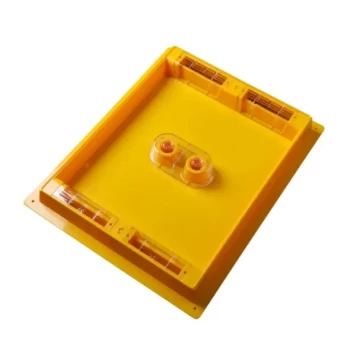
Professional Hive Top Bee Feeder for Beekeeping

Rapid Bee Feeder White Plastic 2L Round Top Feeder for 8 or 10-Frame Bee Hives
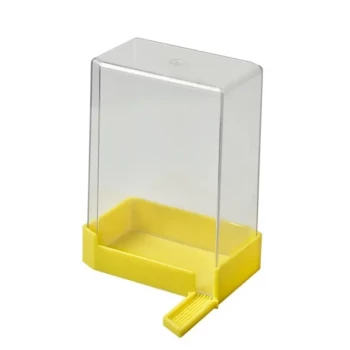
Professional Hive Front Entrance Bee Feeder

3.5L Plastic Beehive Frame Feeder Deep Frame Water Feeder for In Hive Use
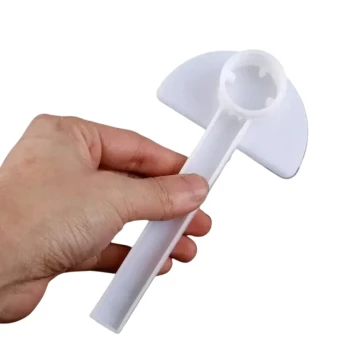
HONESTBEE Entrance Bee Feeder Efficient Hive Front Liquid Feeding Solution for Beekeeping