All Questions
What Type Of Material Is Recommended For Constructing A Top Bar Hive? Choosing Durable, Sustainable Wood
Discover why clear, FSC-certified wood and 3/4-inch thick bars are essential for building a durable, well-insulated top bar hive.
What Is The Procedure For Installing A Bee Colony Into A New Top Bar Hive? Master Successful Hive Establishment
Learn the step-by-step process for installing a bee colony in a top bar hive, from using follower boards to essential feeding techniques.
How Is Comb Alignment Managed In A Top Bar Hive To Prevent Cross-Combing? Master Gravity For Straight Combs
Learn how to prevent cross-combing in top bar hives through precision leveling and early manual correction to ensure a manageable apiary.
How Should The Internal Volume Of A Top Bar Hive Be Adjusted According To The Seasons? Optimize Colony Growth & Survival
Learn how to adjust top bar hive volume using divider boards to prevent swarming in spring and ensure thermal efficiency during winter.
What Are The Requirements For Managing A Top Bar Hive In Winter? Master Overwintering For Colony Survival
Learn essential top bar hive winter management: optimize food stores, regulate internal space, and prevent isolation starvation for your colony.
What Is The Recommended Inspection Frequency For A Top Bar Hive During The Peak Beekeeping Season? - Expert Guide
Learn the ideal top bar hive inspection frequency during peak season to prevent swarming, manage space, and ensure high honey production efficiency.
How Is Honey Harvested From A Top Bar Hive System? Master The Crush And Strain Method For Pure Honey And Beeswax
Learn the step-by-step crush and strain method for top bar hive harvesting. Explore the trade-offs between honey yield, wax production, and tools.
Why Do Top Bar Hives Require Beekeepers To Detach Comb? Master The Detach-Then-Lift Technique For Comb Safety
Learn why honeybees anchor comb to top bar hive walls and how to safely sever these attachments during beekeeping inspections.
How Does The Design Of The Kenya Top Bar Hive Differ From Traditional Frame Hives? Key Differences & Benefits
Discover how the Kenya Top Bar Hive compares to traditional frame hives, highlighting its horizontal design, natural comb building, and low cost.
What Is The Primary Function Of Large Horizontal Lounger-Type Hives In Sunflower Pollination Research? Ensure Data Accuracy
Learn how Lounger-type hives stabilize sunflower pollination research by maximizing colony strength and ensuring representative flight data.
What Are The Ergonomic Advantages And Management Challenges Of Top Bar Hives? Optimize Your Beekeeping Workflow
Learn the ergonomic benefits and technical management challenges of top bar hives, from eliminating heavy lifting to managing natural comb.
What Is The Role Of The Kenya Top Bar Hive (Ktb)? Master Precision Bee Management & Colony Health
Learn how the Kenya Top Bar Hive (KTB) system facilitates non-disruptive inspections, disease control, and optimal colony stability.
What Are The Technical Advantages Of Kenya Top Bar Hives? Revolutionize Your Beekeeping Yield And Sustainability
Learn how Kenya Top Bar Hives outperform wild honey gathering through movable top bars, colony preservation, and superior hygiene standards.
What Is The Key Role Of The Kenya Top-Bar Hive? Bridging The Gap From Traditional To Modern Beekeeping
Learn how the Kenya top-bar hive acts as a vital bridge between traditional and modern beekeeping through sustainable, low-cost management.
How Do Horizontal Hives Compare To Vertical Hives For Natural Beekeeping? Choosing The Best Design For Your Apiary
Compare horizontal vs. vertical hive designs. Learn about ergonomics, natural comb expansion, and thermal retention for your beekeeping goals.
What Role Do Top Bar Hives Play In Modern And Educational Beekeeping? Low-Cost, Sustainable Apiary Solutions
Discover how Top Bar Hives simplify beekeeping with low-cost materials, natural comb building, and non-invasive inspection methods.
What Are The Advantages Of Commercial Top-Bar Hives? Boost Your Apiary's Yield With Sustainable Management
Learn how commercial Top-bar hives outperform traditional methods by enabling non-destructive harvesting and reducing colony absconding rates.
What Are The Technical Advantages Of Vertical Top-Bar Hives? Boost Colony Health With Thermal Efficiency
Learn how vertical top-bar hives optimize thermal regulation and support natural beekeeping by mimicking tree hollows for healthier colonies.
What Technical Advantages Does The Kenya Top Bar Hive (Ktb) Offer? Modernize Your Apiary Management Efficiently
Discover how the KTB hive bridges traditional and modern beekeeping with non-destructive harvesting and sustainable colony management.
How Does The Kenya Top Bar (Ktb) Hive Serve As A Transitional Technology? Bridging Traditional & Modern Beekeeping
Learn how the Kenya Top Bar hive acts as a technological bridge, offering movable comb management and high yields with low initial investment.
What Is The Primary Function Of Kenya Top Bar Hives (Ktbh)? Achieve High-Efficiency Sustainable Beekeeping
Learn how Kenya Top Bar Hives (KTBH) enable low-cost, high-purity honey harvesting and non-invasive colony management for commercial apiaries.
What Technical Advantages Does The Kenyan Top Bar Hive Provide? Boost Honey Yields And Hive Sustainability
Learn how the Kenyan Top Bar hive's movable-bar design increases honey yields by 66% and improves purity over traditional hives.
Why Do Modern Wood Top Bar Hives Offer Advantages Over Traditional Hives? Boost Yields By 600%
Discover why modern Top Bar Hives outperform traditional log hives through non-destructive management, 300-600% higher yields, and better health.
What Is The Role Of The Kenyan Top-Bar Hive? Optimize Commercial Honey Production & Resource Assessment
Discover how Kenyan top-bar hives standardize colony management, simplify harvesting, and help assess floral value for commercial apiaries.
Why Is The Kenya Top Bar Hive (Ktbh) Essential For Mixed Tree-Crop Systems? Boost Your Agroforestry Revenue
Discover how the Kenya Top Bar Hive (KTBH) bridges the economic gap in agroforestry by providing short-term returns and optimizing forest space.
Why Are Hot Wires Or Specialized Cutting Tools Required For Top Bar Hive Comb Management? Master Hive Structural Integrity
Learn why precision tools are essential for managing Top Bar Hives without excluders to prevent comb collapse and ensure surgical honey harvesting.
What Is The Function Of Wires Or Cloth Strips During Bee Colony Transfer? Ensure Stable Top Bar Hive Transitions
Learn how wires and cloth strips provide mechanical stabilization and prevent comb collapse when transferring honeybee colonies to modern hives.
What Are The Benefits Of Using Standardized Materials For Top Bar Hives? Build A Resilient And Scalable Apiary
Learn how timber and iron nails provide technical autonomy, localized supply chains, and easy maintenance for your Top Bar Hive construction.
What Are The Primary Advantages Of Kenyan Top Bar Hives? Boost Yield & Quality In Modern Beekeeping
Discover how Kenyan Top Bar Hives (KTBH) increase honey yield to 11.5L/hive, improve purity, and simplify colony management for commercial success.
What Are The Yield Advantages Of Using A Top Bar Hive? Boost Your Honey Production By Up To 150%
Upgrade from Log Hives to Top Bar Hives to increase honey yields from 3-6kg to 8-15kg through better colony management and disease control.
What Technical Advantages Does The Kenya Top Bar Hive (Ktbh) Provide? Boost Your Modern Honey Production Efficiency
Learn how the Kenya Top Bar Hive (KTBH) enhances beekeeping through movable combs, selective harvesting, and improved hygiene standards.
What Are The Core Technical Functions Of Top Bars In Transitional Beekeeping Hives Like The Kenya Top Bar Hive (Ktbh)?
Learn how top bars in KTBH hives ensure parallel comb alignment, enable non-destructive inspections, and improve honey purity for beekeepers.
What Are The Advantages Of Using The Kenyan Top Bar Hive? Boost Yields And Sustainability In Beekeeping
Discover why the Kenyan Top Bar Hive (KTB) is superior to bark hives for sustainable beekeeping, higher yields, and forest conservation.
What Technical Role Do Removable Top Bars Play In Modern Beekeeping? Optimize Hive Management And Modularity
Discover how removable Top Bars enable modular hive design, non-destructive harvesting, and precise biological monitoring for better colony health.
What Are The Primary Functional Advantages Of The Kenya Top Bar Hive (Ktb)? Enhance Semi-Modern Honey Production
Discover how Kenya Top Bar Hives bridge the gap between traditional and commercial beekeeping with low costs and high-yield operational control.
What Is The Design Significance Of Standardized Wooden Top Bars In Transitional Beekeeping Systems? Master Movable Combs
Explore how standardized wooden top bars enable movable comb technology, improve hive inspections, and support sustainable, low-cost beekeeping.
What Are The Advantages Of Kenyan Top-Bar Hives? Maximize Traceability And Biological Efficiency In Large-Scale Apiaries
Explore the benefits of Kenyan top-bar hives for commercial use, focusing on natural comb building, traceability, and climate adaptation.
What Is The Core Design Principle Of Kenya Top Bar (Ktb) Hives? Low-Cost Solutions For Sustainable Beekeeping
Learn how Kenya Top Bar (KTB) hives use movable top bars to provide a low-cost, efficient bridge between traditional and modern beekeeping.
Why Is The Tanzania Top Bar Hive Utilized For Monitoring Honeybee Colonies? Optimized Design For Varroa Mite Research
Discover how the Tanzania top bar hive enables low-impact observation and rapid sampling for Varroa mite monitoring and colony health assessments.
How Does The Design Of The Wooden Kenya Top Bar Hive (Ktbh) Facilitate Commercial Beekeeping Management? Boost Your Yield
Learn how the trapezoidal KTBH design streamlines hive inspections and honey harvesting while improving bee health for commercial beekeeping.
What Are The Technical Advantages Of Kenyan Hives? Boost Honey Yields With Modern Top-Bar Hive Design
Discover how Kenyan Top Bar Hives increase honey production by 66% through non-destructive harvesting and superior thermoregulation.
What Are The Structural Differences Between A Top Bar Hive And A Langstroth Hive? Compare Design & Efficiency
Learn the key differences between Top Bar and Langstroth hives, focusing on orientation, frame design, and management styles for beekeepers.
How Does The Design Of The Bars In A Top Bar Hive Influence Comb Construction? Master Natural Wax Management
Learn how beveled top bar designs guide bees to build straight, natural combs by leveraging instinct and geometry.
What Role Do Follower Boards Play In Top Bar Hive Management? Master Hive Volume And Thermal Control
Learn how follower boards optimize Top Bar Hive management by regulating temperature, managing colony expansion, and aiding winter survival.
How Can Top Bar Hive Components Be Used To Manage Hive Temperature In Different Climates? Optimize Colony Survival
Learn how to manage Top Bar Hive temperatures using roof insulation, attic space, and solar-reflective paint for extreme climates.
What Is The Function Of A Shuttered Window In A Top Bar Hive? Benefits Of Non-Invasive Hive Monitoring
Learn how shuttered windows in Top Bar Hives enable non-invasive inspections, preserve heat, and reduce bee stress while monitoring comb growth.
What Are The Benefits Of A Mesh Bottom And Removable Bottom Board? Enhance Top Bar Hive Pest Control And Airflow
Discover how mesh bottoms and removable boards improve Top Bar Hive ventilation, Varroa mite management, and seasonal climate regulation.
What Is The Correct Procedure For Handling Bars During A Top Bar Hive Inspection? Master Vertical Gravity Management
Learn the essential vertical handling techniques for Top Bar Hives to prevent fragile wax comb collapse during inspections and honey harvesting.
How Does Space Management Within A Top Bar Hive Prevent Premature Swarming Or Cross-Combing? Master Your Hive Volume
Learn how strategic follower board positioning and maintaining a 3-bar buffer prevent swarming and cross-combing in Top Bar Hives.
What Are The Common Indicators Of A Healthy Hive During A Top Bar Hive Inspection? Boost Your Colony Success
Learn the key signs of a healthy Top Bar Hive, from brood patterns to wax production, for better colony management and higher yields.
What Are The Primary Advantages And Disadvantages Of Using A Top Bar Hive? The Ultimate Guide For Modern Beekeepers
Learn the pros and cons of Top Bar Hives, including ergonomic benefits, natural comb building, and production trade-offs.
How Does The Top Bar Hive Facilitate Natural Comb Construction? Master Hive Geometry For Easy Inspections & Natural Wax
Learn how Top Bar hives use slanted walls and beveled bars to enable natural catenary comb construction while ensuring easy beekeeper inspections.
What Non-Chemical Pest Management Solutions Are Integrated Into A Top Bar Hive? Natural Mite Control For Your Colony
Learn how Top Bar hives use screened bottom boards and bee grooming behavior to manage Varroa mites without using synthetic chemicals.
What Are The Specific Environmental Challenges Of Using A Horizontal Top Bar Hive In Cold Climates? Survival Strategies
Learn why horizontal Top Bar hives struggle in cold climates, from thermal inefficiency to the dangers of lateral colony movement in winter.
Why Are Wooden Kenyan Hives Widely Used? Boost Commercial Apiary Efficiency And Honey Production
Learn why wooden Kenyan hives are essential for commercial beekeeping, offering low-cost maintenance and high honey output for your apiary.
What Are The Technical Advantages Of Transitional Beehives? Boost Your Apiary's Efficiency And Honey Quality
Discover how transitional beehives bridge the gap between traditional and industrial beekeeping with non-destructive harvesting and movable frames.
How Do Top-Bar Beehives Provide Technical Advantages Over Traditional Fixed-Comb Hives? Enhance Honey Quality And Yield
Learn how top-bar hives improve honey production through selective harvesting, non-destructive management, and superior colony health control.
What Are The Technical Advantages Of Using Kenyan-Type Hives? Modernize Beekeeping For Higher Yields And Colony Health
Discover how Kenyan-type hives boost honey production by 66% through movable designs, non-destructive harvesting, and enhanced colony management.
What Are The Design Advantages Of The Kenyan Top-Bar Hive In Modern Sustainable Beekeeping? Boost Your Apiary Success
Discover how the Kenyan Top-Bar Hive optimizes honey yields and colony health through its unique trapezoidal design and horizontal management.
What Are The Core Design Advantages Of The Kenya Top Bar Hive (Ktbh)? Elevate Your Transitional Beekeeping Efficiency
Discover how the Kenya Top Bar Hive (KTBH) design enables movable comb management, higher honey purity, and cost-effective commercial beekeeping.
What Is The Purpose Of Using Curved Top-Bars In The Design Of A Vertical Agave Log Beehive? Optimize Hive Space & Health
Learn how curved top-bars in Agave log hives enable movable-comb management, maximize internal volume, and support sustainable colony inspections.
What Are The Technical Advantages Of Using Kenyan Top-Bar Hives? Boost Your Apiary Yield And Purity
Discover how Kenyan Top-Bar Hives outperform traditional hives with higher yields, superior honey purity, and sustainable colony management.
What Are The Insulation Benefits Of Using Kenya Top Bar Hives In Extreme Climates? Boost Colony Energy Efficiency
Discover how Kenya Top Bar Hives stabilize internal temperatures to reduce bee energy expenditure and boost honey production in extreme climates.
Why Are Wooden Slats Or Top Bars Used Instead Of Full-Frame Structures In Top-Bar Hives? 3 Key Design Benefits
Discover why top-bar slats outperform full frames by reducing pests, lowering costs, and supporting natural bee biology for optimized beekeeping.
How Does The Design Of A Transitional Or Top Bar Hive Improve Honey Quality? Enhanced Hygiene & Simple Management
Discover how top bar hive designs boost honey purity and simplify colony health monitoring through non-destructive, removable comb access.
What Is The Function Of The Tanzanian Top-Bar Hive? Optimize African Bee Management & Safety
Learn how Tanzanian top-bar hives reduce colony disturbance, manage aggressive bees, and guide orderly comb construction.
How Does The Kenya Top Bar Hive Function As A Transitional Technology? Bridging Traditional & Modern Beekeeping
Discover how the KTBH bridges the gap between traditional and modern beekeeping through movable combs, lower costs, and improved honey purity.
Why Is The Dimensional Accuracy Of Top Bars Critical? Unlock Operational Efficiency In Your Modern Beekeeping Process
Learn how precise Top Bar dimensions prevent cross-combing, protect colony health, and streamline honey harvesting for commercial apiaries.
How Do Transitional Top-Bar Hives Balance Construction Costs With Operational Efficiency? Scaling Your Apiary Smartly
Learn how transitional top-bar hives reduce capital investment while maximizing inspection speed and honey harvesting efficiency for beekeepers.
What Are The Advantages Of Modified Kenya Top Bar Hives For Commercial Propolis Production? Boost Your Yield Efficiency
Learn how the 1cm gap in modified Kenya top bar hives triggers bee instincts for high-yield, non-disruptive commercial propolis harvesting.
What Are The Design Advantages Of The Kenya Top Bar Hive (Ktbh) Regarding Harvest Efficiency? Boost Apiary Productivity
Learn how the KTBH V-shaped design prevents wall attachment, enables non-destructive harvesting, and improves honey purity for your apiary.
What Technical Requirement For Top-Bars Ensures Sustainable Hive Management? Master The 1 Cm Rule For Better Harvests
Learn why leaving 1 cm of old comb on top-bars is the vital technical requirement for sustainable honey harvesting and hive organization.
What Are The Technical Advantages Of The Kenyan Top Bar Hive? Boost Commercial Honey Yields & Efficiency
Learn how the Kenyan Top Bar Hive increases honey yields by 66%, improves bee health, and streamlines commercial apiary management.
How Does The Vertical Top-Bar Log-Hive Design Facilitate The Management Of Bee Colonies? Boost Apiary Health And Growth
Discover how vertical top-bar log-hives mimic natural nesting to improve bee health, reduce absconding, and simplify colony management.
What Is The Technical Significance Of The Kenyan Top Bar Hive (Ktbh)? Modernizing Your Apiary Management
Learn how the Kenyan Top Bar Hive (KTBH) bridges the gap between traditional and modern beekeeping with non-destructive harvesting and modularity.
What Are The Structural Characteristics And Materials Used In Traditional Cylinder Or Long-Bar Beekeeping Hives?
Learn how traditional cylinder and long-bar hives utilize local materials like bamboo, straw, and mud for sustainable, low-cost beekeeping.
What Management Challenges Are Associated With Top Bar Hives? Tips For Handling Fragile Combs And Natural Wax
Learn the key challenges of Top Bar Hive management, from preventing cross-combing to the crush and strain harvest method for natural wax.
What Are Some Alternative Beehive Designs? Discover Top Bar, Dadant, And Eco-Friendly Hive Options
Explore alternative beehive designs like Top Bar, Dadant, and Apimaye hives. Compare ergonomics, insulation, and honey production for your apiary.
What Is The Technical Function Of Using Bamboo, Reeds, Or Eucalyptus In Transitional Beehives? Boost Hive Efficiency
Learn how bamboo, reeds, and eucalyptus provide thermal insulation and breathability to improve bee colony health and lower construction costs.
Why Is Agave Wood Specifically Used For Top Bar Frames? Discover The Strength And Workability Of Kacha Wood
Learn why Agave wood (Kacha) is ideal for transitional beehive top bars, offering easy manual splitting and high structural integrity for honeycombs.
Why Is It Necessary To Fix Old Honeycombs To Top Bars? Ensure Colony Success In Transitional Beehives
Learn why fixing honey, pollen, and brood combs to top bars is essential for colony retention, nutritional security, and preventing absconding.
What Are The Technical Advantages Of Using Kenyan-Type Hives With Mobile Frames? Boost Yield And Colony Health
Explore the benefits of Kenyan hives with mobile frames, from non-destructive harvesting to improved honey quality and increased annual yields.
What Are The Primary Advantages Of Using Framed Top Bar Hives? Boost Commercial Yields And Pest Control Efficiency
Discover how Framed Top Bar Hives enhance honey production and simplify pest management through standardized design and active colony management.
What Is The Primary Function Of A Standardized Top Bar Hive In Bee Colony Splitting? Maximize Your Apiary Productivity
Learn how standardized Top Bar Hives streamline colony splitting through seamless resource transfer, reduced bee stress, and prevention of absconding.
What Are The Structural Advantages Of Top-Bar Hives (Tbh)? Improve Colony Health And Harvesting Efficiency
Discover why Top-Bar Hives outperform log hives with non-destructive management, 85% colonization rates, and superior thermal insulation.
How Do Professional Transport Equipment Influence Top-Bar Hive Logistics? Maximize 3X Yield Efficiency
Discover how professional transport and handling equipment turn high-volume Top-Bar Hive yields into profit through economies of scale.
How Does The Chefeka Hive Compare To Industrial Top Bar Hives In Arid Environments? Save 85% On Capital Costs
Discover why the Chefeka hive is a superior, low-risk alternative to industrialized hives for beekeeping in arid and semi-arid regions.
What Are The Management Advantages Of Using The Top-Bar Hive? Scale Your Apiary With Sustainable Beekeeping
Learn how Top-bar hives improve safety, colony survival, and honey purity compared to traditional basket hives for commercial beekeeping.
What Are The Advantages Of Horizontal Lounger Hives? Boost High-Altitude Breeding Efficiency
Discover how horizontal lounger hives optimize high-altitude bee breeding through ergonomic design and precision trait observation.
How Does The Kenya Top Bar Hive (Ktbh) Enhance Safety? Manage Aggressive Bee Species With Modular Hive Design
Learn how the KTBH design minimizes colony agitation and protects beekeepers when managing aggressive African honey bees like Apis mellifera scutellata.
What Are The Technical And Maintenance Characteristics Of The Top Bar Hive In Commercial Beekeeping? Key Insights
Explore the technical benefits, maintenance needs, and trade-offs of Top Bar Hives for sustainable commercial beekeeping operations.
How Does The Design Of The Top Bar Hive Improve Honey Quality? Transition To Pure, Professional Honey Production
Learn how Top Bar Hive design improves honey purity and yield, bridging the gap between traditional and modern beekeeping with movable comb systems.
What Role Do Top Bar Hives And Frame Hives Play In Commercial Beekeeping? Enhance Production With Modern Infrastructure
Discover how top bar and frame hives revolutionize commercial beekeeping through scientific management, modularity, and increased honey purity.
What Is The Process For Extracting Honey And Beeswax From Fixed Comb And Top Bar Hives? A Guide To The Crush And Strain Method
Learn the step-by-step crush and strain method for harvesting pure honey and clean beeswax from top bar and fixed comb hives. Simple, effective, and natural.
What Is The Method For Processing Honey From Top Bar Hives? A Guide To Simple Crush & Strain
Learn the crush and strain method for harvesting honey from top bar hives. A simple, low-cost process perfect for hobbyists and small-scale beekeepers.
How Does Honey Harvesting From A Warre Hive Differ From A Top Bar Hive? Box Vs. Comb Harvesting Explained
Warre hives yield a bulk honey harvest by the box, while top bar hives allow for simple, comb-by-comb collection. Choose the right hive for your goals.
What Is The Quickest Method To Harvest Honey From A Top Bar Hive? A Guide To The Simple 'Cut And Crush' Method
Discover the fastest way to harvest honey from a top bar hive using the 'cut and crush' method, including steps, trade-offs, and best practices.
Where Are The Honey Combs Typically Located In A Top Bar Hive? In The Rear For Easy Harvesting
Learn the predictable layout of a top bar hive: honey is stored at the back for easy, low-stress harvesting. Understand bee logic for better hive management.
What Is The Preferred Time Of Day To Harvest Honey From A Top Bar Hive? Optimize For A Calm & Efficient Harvest
Learn why harvesting honey from a top bar hive in the mid-afternoon on a warm, sunny day is best for a calm colony and a simple, effective process.
When Is It Generally Not Recommended To Harvest Honey From A First-Year Top Bar Hive? Avoid This Common Mistake For Hive Survival
Learn why harvesting honey from a first-year top bar hive risks colony starvation and failure. Essential guide for new beekeepers on hive establishment.
Related Products

Top Bar Beehive for Beekeeping Wholesales Kenya Top Bar Hive

Long Langstroth Style Horizontal Top Bar Hive for Wholesale
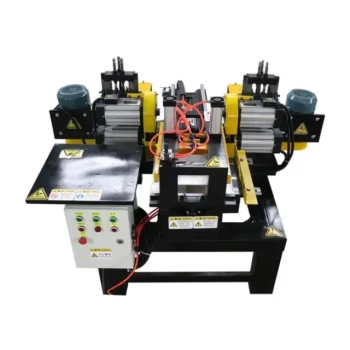
HONESTBEE Top Bar & Bottom Bar Forming Machine | Bee Frame Machine
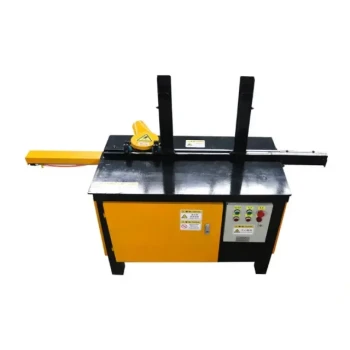
HONESTBEE Bee Frame Grooving Machine | Precision Slotting for Bee Frame Making

Professional Hive Top Bee Feeder for Beekeeping
