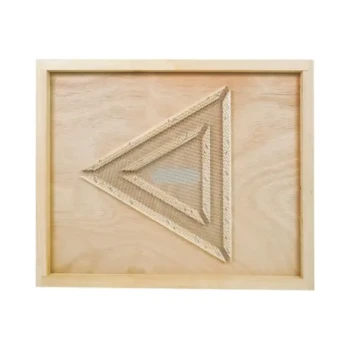
The combination of a mesh bottom and a removable bottom board provides a Top Bar Hive with critical flexibility for environmental regulation and pest management. The mesh acts as a passive filter, allowing debris and mites to fall out of the hive while keeping the bees securely contained. The removable board allows you to manually adjust airflow, enhancing ventilation during warm periods (consistently above 60°F) while allowing for closure during colder weather.
By decoupling the floor of the hive from the hive body, you gain the ability to manage pests and airflow without invasive inspections. This system turns a static wooden box into an adaptable environment that responds to seasonal changes.
Mastering Pest Management and Hygiene
Passive Mite Reduction
The primary biological benefit of a mesh bottom is the mechanical exclusion of pests, specifically Varroa mites. As mites naturally fall off the bees during grooming, they pass through the mesh screen and out of the hive.
Unlike solid floors, where mites might crawl back onto a host, the mesh ensures that once a mite falls, it is permanently removed from the colony.
Non-Invasive Monitoring
This design is essential for Integrated Pest Management (IPM). You can slide a sticky board underneath the mesh to catch falling debris and mites.
This allows you to quantify the mite infestation level accurately. Crucially, you can perform this diagnostic check without opening the hive or disturbing the bees.
Debris Management
General hive debris, such as wax cappings and pollen, falls through the mesh rather than accumulating on the floor.
This prevents the buildup of waste material that can attract wax moths or small hive beetles. It simplifies hive hygiene, allowing the bees to focus energy on foraging and brood rearing rather than cleaning the floor.
Regulating the Hive Environment
Seasonal Ventilation Control
The removable bottom board functions as a massive damper for the hive. When the weather is consistently warm—specifically when temperatures remain above 60°F—the board can be removed entirely.
This creates a substantial draft that helps the bees cool the hive. It prevents overheating during the height of summer, which reduces the stress on the colony.
Moisture Reduction
Bees generate significant moisture during nectar processing and respiration. An open mesh bottom facilitates vertical airflow, helping to wick excess humidity out of the hive.
Proper moisture control is vital for preventing mold growth and ensuring the nectar cures properly into honey.
Understanding the Trade-offs
Temperature Management Risks
While ventilation is a benefit in summer, it is a liability in winter. Leaving the bottom board off during cold snaps or drafty spring days can chill the brood nest.
You must be diligent in monitoring the weather. The board must be re-inserted promptly when temperatures drop to preserve the colony's warmth.
Structural Exposure
A mesh bottom is more fragile than a solid wood floor. If the screen is damaged or tears, it can create an entry point for robbers, mice, or other pests.
High-quality hardware cloth must be used to ensure the screen remains an impenetrable barrier to everything except falling debris.
Optimizing Your Hive Configuration
To maximize the health of your Top Bar Hive, use these features to respond to current conditions rather than following a static schedule.
- If your primary focus is pest monitoring: Insert a sticky board beneath the mesh for 24-hour intervals to get accurate mite counts, then remove it to restore airflow.
- If your primary focus is thermal regulation: Remove the solid bottom board only once daily lows exceed 60°F, and replace it immediately if a cold front approaches.
By actively managing the bottom board, you provide your bees with a responsive home that supports their natural hygiene and climate needs.
Summary Table:
| Feature | Primary Benefit | Operational Guidance |
|---|---|---|
| Mesh Screen | Passive Varroa mite reduction & debris management | Keeps bees in while allowing pests and waste to fall out |
| Removable Board | Adjustable ventilation & moisture control | Remove when temps >60°F; replace during cold snaps |
| Sticky Board (IPM) | Non-invasive pest monitoring | Slide under mesh for 24h to quantify mite infestation levels |
| Open Bottom Design | Prevents mold and aids nectar curing | Increases vertical airflow to wick away excess humidity |
Elevate Your Apiary with HONESTBEE Precision Equipment
At HONESTBEE, we understand that professional beekeepers and distributors require more than just standard supplies—you need specialized tools that optimize colony health. From advanced hive-making machinery to high-performance honey-filling systems, we provide the full spectrum of equipment designed to enhance your operational efficiency.
Why partner with HONESTBEE?
- Comprehensive Wholesale Range: One-stop sourcing for beekeeping tools, machinery, and essential consumables.
- Scalable Solutions: We cater to commercial apiaries and distributors with hardware built for durability and precision.
- Industry Expertise: Our portfolio includes everything from specialized hardware to honey-themed cultural merchandise.
Ready to scale your production or upgrade your wholesale inventory? Contact us today to discover how our professional beekeeping solutions can drive your success!
Related Products
- Solid Bottom Board Australian Pine Wood Langstroth Bottom Board for Wholesale
- Langstroth Solid Bottom Board for Beekeeping
- HONESTBEE Top Bar & Bottom Bar Forming Machine | Bee Frame Machine
- Australian Pine Wood Langstroth Screen Bottom Board for Wholesale
- Langstroth Screen Bottom Board for Beekeeping Wholesale
People Also Ask
- In what conditions is a solid bottom board preferred over a screened bottom board? Maximize Hive Heat and Treatment
- What are the characteristics of a solid bottom board? A Guide to Hive Foundation & Climate Control
- What is the primary function of a solid bottom board on a beehive? Key Benefits for Hive Stability and Insulation
- What are the benefits of a solid bottom board? Boost Hive Health with Superior Insulation & Defense
- How should a solid bottom board be cleaned? Essential Scraping Tips for Apiary Hygiene