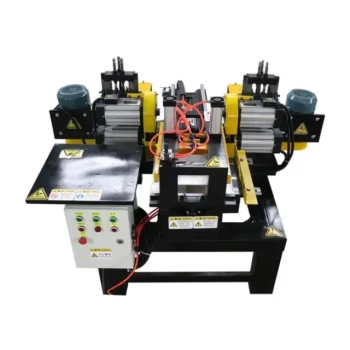
The Kenya Top Bar Hive (KTBH) maximizes harvest efficiency through its distinctive V-shaped, movable top-bar design. This geometry encourages bees to attach honeycomb solely to the top bars rather than the hive walls, allowing beekeepers to extract individual combs for harvesting without cutting, crushing, or destroying the surrounding colony structure.
Core Takeaway The KTBH transforms beekeeping from a destructive process into a manageable, precise operation. By decoupling the honeycomb from the hive body, it allows for individual comb extraction that preserves colony health, increases honey purity, and significantly reduces the labor required for inspection and harvest.
The Mechanics of the V-Shape Design
Preventing Wall Attachment
The defining feature of the KTBH is its V-shaped (or trapezoidal) cross-section. This specific angle is critical because it naturally discourages bees from attaching their wax combs to the sloping sides of the hive.
Independent Comb Manipulation
Because the bees attach comb only to the movable top bars, each bar functions as an independent unit. Beekeepers can lift a single bar to inspect or harvest a specific comb without disturbing the rest of the hive. This eliminates the need for the destructive cutting often required in traditional fixed-comb hives.
Non-Destructive Harvesting
Traditional methods often involve destroying the comb to extract honey. The KTBH standardized top-bar system enables non-destructive harvesting, where only the honeycomb is removed. This allows the colony structure to remain intact, significantly reducing bee mortality during the extraction process.
Operational Efficiency and Safety
Horizontal Workflow
Unlike vertical stacking systems that require heavy lifting of supers (boxes), the KTBH utilizes a horizontal trough-style design. This allows beekeepers to access the hive laterally, removing bars one by one. This reduces labor intensity and equipment costs, making it a viable solution for scaling up apiary operations.
Speed and Safety
The movable top bars allow for rapid access and closure of the hive. This reduces the contact time between the operator and the colony, which is particularly advantageous when managing aggressive species like African bees (Apis mellifera scutellata). Faster operations minimize the risk of stings and lower the stress placed on the bees.
Ease of Inspection
The semi-standardized design allows for precise monitoring of colony health and comb growth. Beekeepers can perform partial inspections to check for disease or readiness without the disruption of dismantling the entire hive.
Quality and Yield Improvements
Enhanced Honey Purity
By enabling the selective removal of specific combs, beekeepers can harvest honey without crushing brood (larvae) combs. This separation leads to significantly higher hygiene standards and improved honey purity compared to traditional crush-and-strain methods.
Increased Yield Potential
The wooden construction of the KTBH provides mechanical durability and thermal insulation, protecting bees from environmental fluctuations. Combined with the reduced stress of non-destructive harvesting, this protection supports stronger colonies and increases the average annual honey yield per hive.
Understanding the Trade-offs
While the KTBH offers significant advantages in efficiency and simplicity, it requires specific handling techniques compared to framed hives.
Comb Fragility
Because the honeycomb is attached only to the top bar and lacks a surrounding wooden frame or wire reinforcement (common in Langstroth hives), the fresh comb is fragile. It must be handled carefully and kept vertical to prevent it from breaking off the bar due to gravity.
Management Limits
The KTBH is described as a tool for "semi-industrial" or medium-scale management. While excellent for transitioning from traditional methods, the horizontal nature of the hive may have footprint limitations compared to the vertical expandability of fully industrial stacking hives.
Making the Right Choice for Your Goal
The KTBH serves as a bridge between traditional beekeeping and industrial management. Here is how to apply this design to your specific needs:
- If your primary focus is Ease of Management: Utilize the horizontal layout to eliminate heavy lifting and simplify inspections, making beekeeping accessible to a broader demographic.
- If your primary focus is Honey Quality: Leverage the movable bars to selectively harvest only capped honey combs, ensuring high purity by avoiding brood contamination.
- If your primary focus is Cost Efficiency: Adopt the KTBH for its low manufacturing costs and the ability to construct the equipment using basic woodworking machinery.
The Kenya Top Bar Hive offers a balanced, simplified approach that prioritizes the ease of the beekeeper and the health of the colony over complex industrial machinery.
Summary Table:
| Feature | Design Benefit | Impact on Harvest Efficiency |
|---|---|---|
| V-Shaped Body | Prevents comb attachment to walls | Rapid removal of individual combs without cutting |
| Movable Top Bars | Decoupled comb structure | Allows selective harvesting and easier colony inspections |
| Horizontal Layout | Side-access trough design | Eliminates heavy lifting of supers; reduces labor fatigue |
| Standardized Bars | Uniform comb sizing | Facilitates faster processing and better honey/brood separation |
| Thermal Insulation | Durable wooden construction | Maintains colony health for higher annual yield potential |
Maximize Your Yield with HONESTBEE Professional Equipment
Transitioning to efficient hive management requires more than just a plan—it requires high-precision tools and reliable machinery. HONESTBEE specializes in supporting commercial apiaries and distributors with a full spectrum of wholesale beekeeping solutions.
How we empower your business:
- Advanced Machinery: From hive-making machines to automated honey-filling lines, we streamline your production.
- Comprehensive Tools: We supply the full array of beekeeping hardware and essential industry consumables.
- Expert Support: Our portfolio is designed to help you scale operations while maintaining the highest honey purity and colony health.
Ready to elevate your apiary's performance? Contact HONESTBEE today to explore our wholesale machinery and equipment offerings!
References
- R Umaru, Ronald A. W. Bee Keeping; An Alternative Source of Income Generation. DOI: 10.58578/amjsai.v1i1.3522
This article is also based on technical information from HonestBee Knowledge Base .
Related Products
- Top Bar Beehive for Beekeeping Wholesales Kenya Top Bar Hive
- Long Langstroth Style Horizontal Top Bar Hive for Wholesale
- HONESTBEE Classic Pry Bar Hive Tool with High Visibility Finish for Beekeeping
- HONESTBEE Top Bar & Bottom Bar Forming Machine | Bee Frame Machine
- HONESTBEE Square Top Hive Bee Feeder Top Bee Feeder
People Also Ask
- How is burr comb and propolis removed from a top bar hive? A Practical Guide for Hive Maintenance
- How does comb construction differ between a top bar hive and a Langstroth hive? Choose the Best Method for Your Apiary
- Why do top bar hives require beekeepers to detach comb? Master the Detach-then-Lift Technique for Comb Safety
- How does the design of a top bar hive minimize disturbance to the bees during inspection? Achieve a Calmer, More Natural Approach
- What are the main differences between a top bar hive and a Langstroth hive? A Guide to Choosing Your Hive