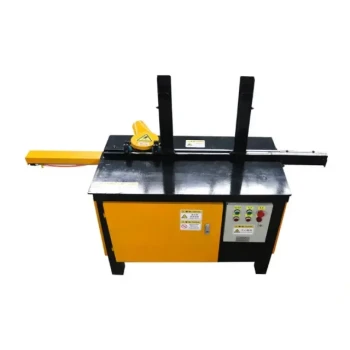
The primary design significance of standardized wooden top bars is the introduction of movable comb technology into a low-cost, transitional system. These bars act as fixed attachment guides where bees construct their comb, allowing each comb to be independently removed from the hive. This specific design feature enables beekeepers to inspect colonies and harvest honey without destroying the hive structure.
Standardized top bars act as the critical pivot point between traditional fixed-comb methods and industrial framing systems. By allowing for non-destructive access and individual comb manipulation, they dramatically increase management sustainability while keeping equipment costs low.
The Mechanics of the Top Bar System
Guided Comb Construction
The fundamental role of the wooden top bar is to provide a fixed attachment point. In natural or traditional settings, bees build comb in arbitrary patterns that adhere to the hive walls.
The standardized bar dictates exactly where the comb is drawn. This forces the colony to build distinct, parallel combs that align with the beekeeper's management needs rather than the bees' random geometric preferences.
Independent Modularity
Because the combs are attached only to the top bars, the hive becomes a modular system.
This design breaks the hive down into individual, manageable units. A beekeeper can lift a single comb to check for the queen, disease, or honey stores without disturbing the rest of the colony.
Operational Advantages
Non-Destructive Harvesting
Historically, harvesting honey from simple hives often required destroying the nest or killing the colony.
With standardized top bars, honey can be harvested by removing specific combs. The overall structure of the hive remains intact, and the colony survives the harvest process with minimal stress.
Efficiency and Sustainability
This design shifts the focus from simple resource extraction to colony management.
By enabling internal inspections, beekeepers can intervene early if health issues arise. This leads to higher survival rates and a more sustainable apiary compared to methods where the internal state of the hive is a mystery until harvest time.
Understanding the Trade-offs
The Requirement for Precision
While the system lowers costs, it demands standardization. If the wooden bars are not uniform in width, bees may build "cross-comb" that connects multiple bars together.
If this occurs, the primary benefit of the system—movability—is lost, effectively reverting the hive back to a fixed-comb vessel that cannot be inspected.
Structural Fragility
Unlike a four-sided frame, a top bar supports the comb only from the top.
This means the wax hanging from the bar is more fragile during inspections. Beekeepers must handle these bars with care to prevent the heavy comb from detaching and breaking off, as there is no bottom or side support.
Making the Right Choice for Your Goal
To determine if this design aligns with your apiary management strategy, consider your primary objectives:
- If your primary focus is cost reduction: Utilize standardized top bars to minimize initial capital investment while retaining the ability to manage the colony effectively.
- If your primary focus is sustainable management: Leverage the removable nature of the bars to perform regular, non-destructive health inspections and harvests.
This design proves that simple, low-cost equipment can still support sophisticated, biological management practices.
Summary Table:
| Feature | Function | Primary Benefit |
|---|---|---|
| Guided Construction | Dictates parallel comb growth | Prevents random, messy cross-combing |
| Independent Modularity | Allows removal of individual combs | Facilitates deep colony health inspections |
| Non-Destructive Design | Harvests specific combs only | Keeps the hive structure and colony intact |
| Standardized Precision | Uniform width requirements | Ensures total interchangeability of equipment |
Scale Your Apiary Operations with HONESTBEE
Are you looking to optimize your production or expand your distribution? HONESTBEE caters to commercial apiaries and distributors with a comprehensive wholesale offering. We provide the full spectrum of beekeeping tools, machinery, and essential industry consumables.
Our portfolio includes specialized hardware to enhance your efficiency, such as:
- Hive-making and honey-filling machines for industrial-scale production.
- Comprehensive beekeeping equipment for every management style.
- Honey-themed cultural merchandise to diversify your retail offerings.
Let us help you improve your management sustainability and operational output. Contact us today to discuss our wholesale solutions and see the value we can bring to your business.
References
- Markos Fisaha Delena, Asrat Diriba. Improved beekeeping practices, honey bee flora potential and flowering calendar in South Ethiopia. DOI: 10.1371/journal.pone.0304259
This article is also based on technical information from HonestBee Knowledge Base .
Related Products
- Long Langstroth Style Horizontal Top Bar Hive for Wholesale
- Top Bar Beehive for Beekeeping Wholesales Kenya Top Bar Hive
- HONESTBEE Top Bar & Bottom Bar Forming Machine | Bee Frame Machine
- HONESTBEE Bee Frame Grooving Machine | Precision Slotting for Bee Frame Making
- Solid Bottom Board Australian Pine Wood Langstroth Bottom Board for Wholesale
People Also Ask
- What are the potential applications of top bar hives in resource-limited settings? Empower Communities with Sustainable Beekeeping
- What are the benefits of extra wax production in top bar hives? A Natural Byproduct for Craft & Efficiency
- What does the general management of a top bar hive entail? Master Horizontal Beekeeping with Ease
- How does the top bar hive help control varroa mites? A Natural Approach to Mite Management
- How is a top bar hive used to start a new colony? Master Incremental Expansion for a Thriving Hive