Precision structural management is the primary reason for using hot wires or specialized cutting tools in Top Bar Hives lacking queen excluders. Because bees in these hives frequently store honey in bands located directly above the brood area, standard harvesting methods are risky. These specialized tools allow the beekeeper to surgically remove honey sections without severing the comb’s connection to the top bar, preventing the heavy brood comb below from collapsing.
Core Insight Without the physical barrier of a queen excluder, honey and brood often share the same comb structure. Specialized cutting tools provide the necessary precision to harvest honey bands while preserving essential structural attachment points, ensuring the hive's delicate architecture remains intact.
The Challenge of Mixed-Use Combs
The Brood-Honey Interface
In hives without queen excluders, the colony naturally organizes resources. They often place capped honey in distinct bands above the brood area.
This creates a mechanical challenge for the beekeeper. You cannot simply remove a whole frame of honey, as the bottom portion contains developing bees (brood).
The Risk of Collapse
In a Top Bar Hive, combs hang freely from the top bars without bottom or side support.
If a beekeeper were to indiscriminately cut the honey band located at the top of the comb, they would sever the connection to the bar. This would cause the brood section below to detach and fall, potentially killing the developing bees and damaging the hive.
The Function of Specialized Tools
Achieving Surgical Precision
Hot wires and specialized cutters are required to execute precise, non-destructive cuts.
Unlike standard scraping tools, these instruments allow the beekeeper to target specific sections of honeycomb. They slice through wax without the dragging or tearing associated with blunt tools.
Preserving Structural Integrity
The defining feature of this technique is the ability to remove honey while maintaining attachment points.
By carefully maneuvering the tool, a beekeeper can extract the honey bands while leaving specific bridges of wax or sections of the comb attached to the top bar. This ensures the remaining brood comb stays suspended and secure.
Regulating the Hive Environment
Encouraging Comb Renewal
Using these tools is not just about harvesting; it is a method of active hive regulation.
By creating vacant areas where honey once was, the beekeeper triggers the colony's natural instinct to build.
Managing Storage Zones
This process encourages bees to construct new fresh comb in the cleared spaces.
It effectively allows the beekeeper to regulate the honey storage zone within the hive, keeping the colony productive without restricting the queen's movement with an excluder.
Understanding the Trade-offs
The Requirement for Skill
While effective, this method requires a steady hand and significant experience. Imprecise use of hot wires can accidentally sever the wrong support points, leading to immediate comb failure.
Heat Management
When using hot wires, there is a minor risk of cauterizing or overheating adjacent wax if the wire is too hot or moving too slowly. This can occasionally impact the bees' willingness to rebuild on that specific edge immediately.
Making the Right Choice for Your Goal
To effectively manage a Top Bar Hive without excluders, consider your primary objective:
- If your primary focus is Harvesting Honey: Use specialized tools to surgically remove only the capped honey bands, ensuring you do not disturb the brood below.
- If your primary focus is Colony Health: Prioritize leaving substantial attachment points during the cut to guarantee the heavy brood comb remains securely suspended.
Mastering these tools allows you to work with the bees' natural organization rather than forcing artificial separation.
Summary Table:
| Tool Type | Primary Function | Benefit for Top Bar Hives |
|---|---|---|
| Hot Wires | Precision slicing | Minimizes wax dragging; protects brood attachment points |
| Specialized Cutters | Surgical honey removal | Allows harvesting from mixed combs without severing the top bar link |
| Manual Scraping Tools | Bulk removal (Avoided) | High risk of causing heavy brood comb collapse in excluder-free hives |
| Thermal Regulators | Heat management | Prevents overheating adjacent wax to encourage faster comb rebuilding |
Elevate your beekeeping operations with professional-grade equipment from HONESTBEE. Whether you are a commercial apiary or a global distributor, we provide the precision tools and machinery needed for complex hive management—from hive-making and honey-filling machines to essential consumables. Ensure the structural integrity of your colonies and maximize productivity with our comprehensive wholesale solutions. Contact our experts today to optimize your equipment portfolio!
References
- A. J. Kent. Beekeeping In the Gambia An Update. DOI: 10.1080/0005772x.2012.11417494
This article is also based on technical information from HonestBee Knowledge Base .
Related Products
- HONESTBEE Top Bar & Bottom Bar Forming Machine | Bee Frame Machine
- Beehive Handle and Frame Rest Cutting Machine: Your Specialized Hive Machine
- HONESTBEE Loop Handle Frame Wire Crimper
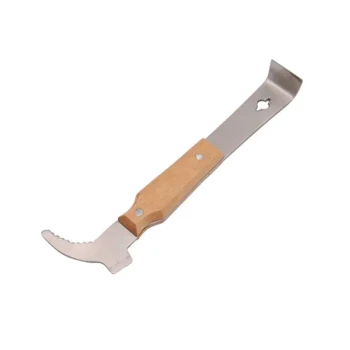
- HONESTBEE Professional Long Handled Hive Tool with Precision Cutting Blade
- HONESTBEE Classic Pry Bar Hive Tool with High Visibility Finish for Beekeeping
People Also Ask
- What is the primary function of the Top Bar and Bottom Bar Forming Machine? Automate Hive Frame Production Excellence
- How does the Top Bar and Bottom Bar Forming Machine process wooden strips? High-Precision Frame Component Production
- What is the operational sequence of the Top Bar and Bottom Bar Forming Machine? Precision Beekeeping Frame Manufacturing
- What are the key benefits of investing in the Top Bar and Bottom Bar Forming Machine? Scale Your Hive Production Now
- What customization options are available for the Top Bar and Bottom Bar Forming Machine? Engineered for Any Hive Standard