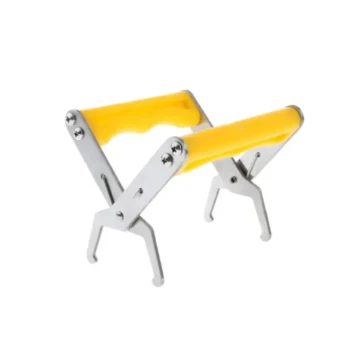
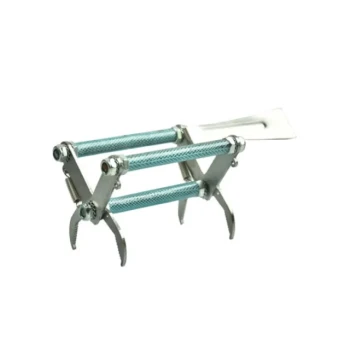
The defining structural advantage of Frame and Top-bar Hives is the integration of movable frames or bars. This modular design allows beekeepers to perform essential inspections and harvest honey without destroying the internal architecture of the nest. Unlike traditional fixed-comb hives, which often require dismantling the hive to access resources, modern structures preserve the colony's integrity.
Core Takeaway By decoupling honey harvesting from comb destruction, movable-component hives transform beekeeping from a resource-depleting activity into a sustainable management system. This structural shift drastically lowers colony stress and absconding rates while unlocking exponential increases in commercial honey yield.
The Impact of Movable Architecture
The shift from fixed-comb to movable structures is the fundamental innovation in commercial beekeeping.
Non-Destructive Inspection
The primary reference highlights that movable-frame structures facilitate efficient management. This design enables beekeepers to lift out individual combs to check for disease, honey stores, or the queen, and then return them exactly as they were found.
reducing Colony Stress
In traditional hives, harvesting often involves cutting out combs, which physically disturbs the bees and destroys their home. Modern hives eliminate this destruction, significantly reducing environmental stress. This stability lowers the incidence of absconding (the colony fleeing the hive), ensuring long-term hive population consistency.
Enhancing Production Efficiency
For commercial operations, the structural changes translate directly to economic output.
Preservation of Energy and Resources
When honey is harvested from Frame or Top-bar hives, the wax comb remains intact. Because bees do not need to consume vast amounts of honey and energy to rebuild their home after every harvest, they can focus entirely on production. This "continuous productivity" is a major driver of efficiency.
Exponential Yield Increases
The structural capacity for non-destructive harvest leads to massive gains in output. While traditional hives may yield roughly 3.5 kg to 8 kg annually, modern Frame Hives can produce between 15 kg per harvest and up to 60 kg annually. The standardized internal space optimizes every cubic inch for storage rather than just structural support.
Advanced Management Capabilities
The internal geometry of these hives is designed for active manipulation, not just storage.
Precision Biological Monitoring
Standardized frames allow for the precise monitoring of the queen’s egg-laying patterns and larval development. This accessibility allows beekeepers to split colonies manually and exchange honeycombs between hives, significantly improving the efficiency of disease control and population management.
Top-Bar Specific Advantages
Top-bar hives offer a unique structural variation designed to simulate a natural nesting environment, particularly beneficial in tropical regions. By utilizing a movable top-bar without a full frame, these hives reduce bee mortality during inspections and eliminate the need to strip bark from trees (common in traditional log hive construction), thereby protecting forest resources.
Understanding the Trade-offs
While modern hives offer superior yields, it is important to understand the operational shifts they require.
The Shift to Standardization
Traditional hives often utilize found materials (like hollow logs) with irregular dimensions. Modern Frame and Top-bar hives rely on standardized physical structures. This requires an investment in precise equipment to ensure frames are interchangeable and maintain the correct "bee space" to prevent the bees from fusing parts together.
Management Intensity
The structure of these hives is designed for interaction. To fully realize the benefits of high yields and disease control, the beekeeper must engage in regular, non-invasive inspections. The advantage is lost if the hive is treated as a passive container rather than an actively managed system.
Making the Right Choice for Your Goal
The structural differences between these hive types should dictate your commercial strategy.
- If your primary focus is Maximum Commercial Output: Prioritize Frame Hives, as their standardized vertical stacking and preservation of drawn comb offer the highest potential honey yields (up to 60kg/year).
- If your primary focus is Low-Cost Sustainability: Prioritize Top-bar Hives, which offer the benefits of movable inspections and high honey purity while simulating natural conditions and protecting local forest resources.
Ultimately, the move to a movable-component structure is the single most effective hardware upgrade for stabilizing bee populations and increasing apiary profitability.
Summary Table:
| Feature | Traditional Hives | Top-bar Hives | Frame Hives |
|---|---|---|---|
| Internal Structure | Fixed-comb (Permanent) | Movable bars | Movable frames |
| Harvest Method | Destructive | Non-destructive | Non-destructive |
| Honey Yield | 3.5kg - 8kg / year | High (Sustainable) | 15kg - 60kg / year |
| Bee Stress | High (Comb destroyed) | Low (Natural simulation) | Low (Comb preserved) |
| Management | Passive / Minimal | Active / Sustainable | Intensive / Commercial |
Scale Your Apiary with HONESTBEE Professional Equipment
Transitioning from traditional methods to high-yield commercial beekeeping requires the right infrastructure. HONESTBEE provides commercial apiaries and distributors with the premium tools needed for success. Whether you are looking for standardized frame hive components, honey-filling machines, or specialized hive-making machinery, our comprehensive wholesale offering ensures your operation runs at peak efficiency.
Why partner with HONESTBEE?
- Full Spectrum Supply: From essential consumables to heavy-duty machinery.
- Commercial Grade: Durable equipment designed for maximum productivity and yield.
- Market Growth: Enhance your brand with our honey-themed cultural merchandise.
Ready to upgrade your production? Contact us today to explore our wholesale solutions!
References
- Chala Kinati. Opportunities and challenges of honey production in Gomma district of Jimma zone, South-west Ethiopia. DOI: 10.5897/jaerd11.047
This article is also based on technical information from HonestBee Knowledge Base .
Related Products
- Wooden Bee Hive Frames for Beekeeping and Wholesale
- Plastic Bee Frame Beekeeping Hive Frames for Wholesale
- Ergonomic High Visibility Plastic Frame Grip Handles
- Professional 3-Bar Frame Grip with Integrated Hive Tool
- Professional Galvanized Steel Frame Rest for Beehives
People Also Ask
- How do wooden and plastic hive frames compare in terms of durability? Wood vs. Plastic Longevity & Repairability
- How does balancing the number of frames impact hive productivity? Optimize Your Apiary's Biological Output
- What are the main considerations when choosing between wooden and plastic bee hive frames? Optimize Your Apiary's Efficiency
- How should beehive frames be maintained to prolong their lifespan? 5 Pro Tips for Durable Beekeeping Equipment
- How are plastic frames different from traditional wooden frames? Choose the Right Frame for Your Apiary