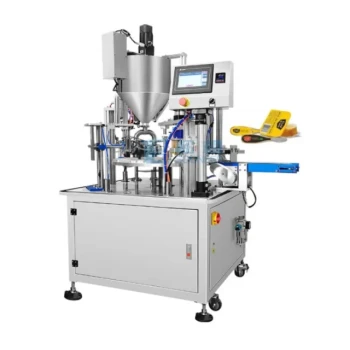
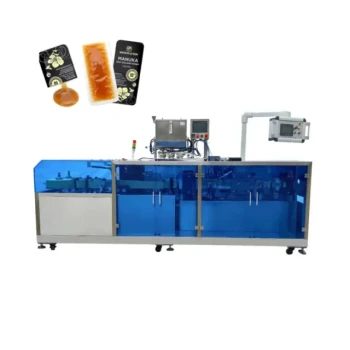
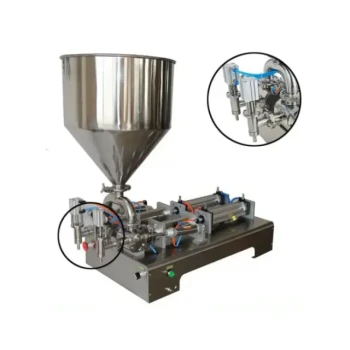
Yes, honey-filling machines are built to be highly durable. They are typically constructed using 304 stainless steel, a material specifically chosen for its robust physical properties. This ensures the equipment can withstand the rigors of production while meeting strict food safety standards.
Core Takeaway: The durability of honey-filling machinery relies on the industry-standard use of 304 stainless steel. This material provides essential resistance to corrosion and wear, ensuring the equipment remains hygienic and operational over a long service life.
The Standard for Durability: 304 Stainless Steel
The Industry Benchmark
Manufacturers prioritize longevity and hygiene by constructing these machines from 304 stainless steel. This is the most common grade of stainless steel used in the food processing industry.
Resistance to Corrosion
Honey is slightly acidic, and food processing environments often involve moisture and frequent washing. 304 stainless steel is chemically engineered to resist rust and oxidation. This prevents the machine from degrading when exposed to water or the product itself.
Structural Integrity
Beyond chemistry, this material provides significant physical strength. It protects the machine’s internal mechanisms from impact and wear during daily operation. A robust chassis ensures consistent filling accuracy by minimizing vibration and flexing.
Food-Grade Compliance
Durability in food equipment is inextricably linked to hygiene. Because 304 stainless steel is non-porous and resistant to pitting, it prevents bacteria from harboring in surface imperfections. This allows the machine to remain "sanitary durable" throughout its lifespan.
Understanding the Trade-offs
The "Wear Parts" Exception
While the main body and contact parts are durable steel, not every component lasts forever. Seals, gaskets, and O-rings are typically made of food-grade silicone or rubber. These soft components are designed to degrade over time and will require scheduled replacement, regardless of the steel's durability.
304 vs. Higher Grades
While 304 stainless steel is the standard, it is not the highest grade available. For facilities using extremely aggressive chemical cleaners or processing highly acidic additives, 316 stainless steel offers superior corrosion resistance. However, 304 remains the cost-effective "workhorse" choice for standard honey production.
Making the Right Choice for Your Goal
When evaluating a honey-filling machine, verify the material specifications to ensure you are getting the durability required for your specific output levels.
- If your primary focus is standard production: Confirm the machine is built with 304 stainless steel to ensure compliance with food safety regulations and resistance to normal wear.
- If your primary focus is aggressive sanitation: Inquire if the manufacturer offers 316 stainless steel upgrades, which provide extra protection against harsh chemical cleaning agents.
Investing in the right material specification ensures your production line remains sanitary, safe, and efficient for the long term.
Summary Table:
| Feature | 304 Stainless Steel (Standard) | 316 Stainless Steel (Premium) | Soft Components (Seals/O-Rings) |
|---|---|---|---|
| Corrosion Resistance | High (Resists honey acidity) | Superior (Best for harsh chemicals) | Low (Wear-and-tear items) |
| Structural Strength | Excellent | Excellent | Low (Flexible for sealing) |
| Food Safety | Industry Standard | Enhanced Grade | Food-grade Silicone/Rubber |
| Maintenance | Low | Low | Requires regular replacement |
Scale Your Honey Production with HONESTBEE
At HONESTBEE, we specialize in empowering commercial apiaries and distributors with industrial-grade beekeeping machinery designed for longevity. Our honey-filling machines are precision-engineered from high-quality stainless steel to ensure your production line meets the highest food safety standards while maintaining maximum uptime.
From advanced filling and hive-making machinery to essential beekeeping tools and industry consumables, we provide a comprehensive wholesale portfolio tailored to your growth. Partner with us to enhance your operational efficiency—Contact HONESTBEE today to request a quote or discuss your custom equipment needs.
Related Products
- Precision Durable Efficient HONESTBEE Rotary Honey Filling Machine
- Commercial Rotary Honey Filling Machine for Production
- Semi Automatic Small Honey Bottle Filling Machine Honey Filler
- Fully Automatic Honey Filling Packaging Machine for Processing Line
- Economy Small Honey Filling Machine Honey Bottle Filler Packaging Machine
People Also Ask
- How do honey filling machines work? Achieve Precision & Speed for Your Apiary
- How do high-precision honey filling machines ensure quality? Optimize Your Commercial Production with HONESTBEE
- How do honey filling and processing machines aid native bee product conservation? Boost Value with HONESTBEE Technology
- What is a key feature of the new generation of the honey filling machine? The Advanced Electronic Control Unit
- What are the common types of bottling machines used for honey? Choosing the Right Solution for Your Apiary