Historical symbols serve as a strategic bridge between ancient tradition and modern branding. Designers utilize specific iconography, such as ancient Egyptian bee hieroglyphs and mythological motifs like the "Tears of Re," by integrating them with contemporary industrial design principles. This fusion transforms standard honey products into distinctive cultural merchandise that carries a deeper narrative weight.
The integration of ancient mythology and traditional ecological knowledge into modern industrial design allows beekeeping enterprises to create diverse, value-added portfolios that significantly enhance brand competitiveness and cultural value.
The Intersection of Mythology and Industrial Design
Utilizing Ancient Iconography
Modern designers frequently look to the origins of beekeeping for visual inspiration. Ancient Egyptian bee hieroglyphs are a primary source of design elements. These symbols are not merely copied but are adapted through modern industrial design techniques to create a sophisticated visual identity for the brand.
Narrative Depth through Mythology
Beyond simple logos, merchandise design often incorporates complex mythological narratives. Elements such as the "Tears of Re"—referencing the sun god Ra's tears turning into bees—provide a storytelling layer. This elevates the product from a simple commodity to a cultural artifact with a rich backstory.
Diversifying the Product Portfolio
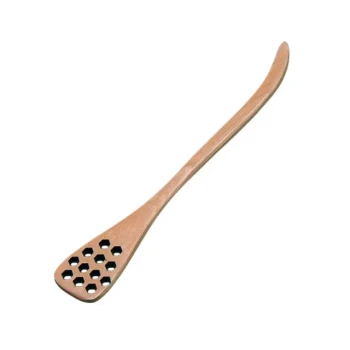
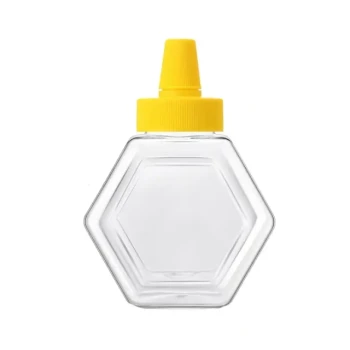
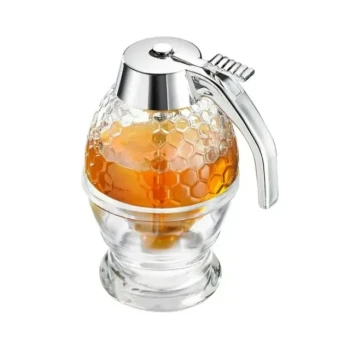
The application of these symbols extends beyond honey jars. By combining cultural symbols with industrial design, manufacturers can expand into a wider range of brand-related products. This diversification is essential for modern beekeeping businesses looking to establish a robust market presence.
Leveraging Traditional Knowledge
The Technical Foundation of Design
While visual symbols provide the aesthetic, honey plant manuals provide the technical narrative. These historical records document traditional knowledge regarding the medicinal uses and applications of specific flora. This data creates a factual foundation that supports the cultural claims of the merchandise.
Creating Value-Added Goods
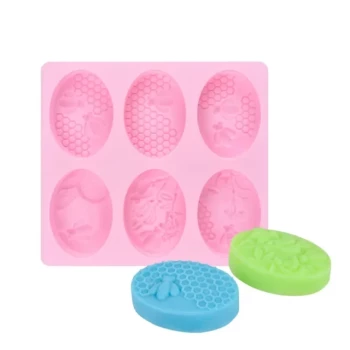
Enterprises use this traditional knowledge to develop specialized cultural merchandise. For example, brands may produce beeswax soaps infused with specific plant essences identified in historical texts. This approach transforms historical data into tangible, high-value consumer goods.
Understanding the Trade-offs
The Balance of Culture and Utility
When incorporating historical elements, there is a risk of prioritizing aesthetics over function. Modern industrial design acts as the stabilizing force, ensuring that while the product honors the past, it remains usable and relevant for the contemporary consumer. A product that is culturally rich but functionally poor will fail in the mass market.
Complexity in Brand Messaging
Using deep historical references requires educating the consumer. While referencing the "Tears of Re" adds depth, it can also complicate the brand message if the audience is unfamiliar with the mythology. The design must be intuitive enough to convey quality even if the specific historical reference is not immediately understood.
Making the Right Choice for Your Goal
To effectively utilize historical symbols in your product design, consider your specific business objective:
- If your primary focus is Visual Differentiation: Prioritize the adaptation of distinct historical iconography, such as Egyptian hieroglyphs, to create a unique logo and packaging identity that stands out on the shelf.
- If your primary focus is Product Expansion: Use traditional honey plant manuals to identify historical applications (like soaps or medicinal blends) that allow you to legitimately introduce new categories to your product line.
Success lies in using history not just as decoration, but as a tool to build a cohesive, competitive, and culturally valuable brand.
Summary Table:
| Design Element | Historical Source | Modern Application | Brand Benefit |
|---|---|---|---|
| Iconography | Egyptian Bee Hieroglyphs | Logo & Packaging Design | Instant Visual Differentiation |
| Narrative | Tears of Re Mythology | Brand Storytelling | Enhanced Emotional Value |
| Technical Data | Honey Plant Manuals | Infused Soaps & Medicinals | Scientific & Historical Authority |
| Functionality | Industrial Design | Ergonomic Product Design | Mass Market Usability |
Elevate Your Beekeeping Brand with HONESTBEE
Are you looking to transform traditional beekeeping into a high-value cultural brand? HONESTBEE specializes in supporting commercial apiaries and distributors with a comprehensive range of solutions. From specialized hive-making and honey-filling machinery to a full spectrum of professional tools and consumables, we provide the industrial foundation you need to scale.
Beyond hardware, we help you diversify your portfolio with honey-themed cultural merchandise that resonates with modern consumers. Partner with us to combine professional-grade equipment with innovative product strategies that enhance your market competitiveness.
Contact HONESTBEE Today to Scale Your Operation
References
- J. ZDAREK. Book review: Kritski G. 2015: The Tears of Re: Beekeeping in Ancient Egypt.. DOI: 10.14411/eje.2016.032
This article is also based on technical information from HonestBee Knowledge Base .
Related Products
- Modern Honeycomb Pattern Wooden Honey Dipper for Stirring and Drizzling
- Heart-Shaped Comb Honey Frame and Honeycomb Cassette
- Honey Tank Heater Drum Heating Blanket for Honey Barrel
- Classic Beehive Honey Bottle Jar with Squeeze Dispenser Lid
- Professional Plastic Honey Dipper for Easy Honey Drizzling
People Also Ask
- What is the proper method for cleaning a honey dipper? Maintain Pure Flavor with These Easy Pro Tips
- What is a honey dipper and what is it used for? A Guide to Mess-Free Drizzling
- What is a honey dipper? Master the Art of the Perfect Drizzle with This Essential Tool
- What is a honey taking spoon called? Discover the Tool for a Perfect, Mess-Free Drizzle
- How do you clean and store a honey dipper? Simple Steps for Long-Lasting Performance