Uncapping tools are utilized to physically remove or pierce the wax seals bees place over honey cells, preparing the frame for centrifugal extraction. By stabilizing the frame on a dedicated support unit—often a comb capper mounted on a bucket—you use specialized knives, scratchers, or rollers to strip away these wax cappings, exposing the liquid honey inside without destroying the comb structure.
Core Takeaway To extract honey using a spinner (centrifugal extractor), the airtight wax seal on the honeycomb must be breached. The goal of uncapping is to slice or perforate this layer efficiently while keeping the underlying cell structure intact for the bees to reuse later.
Setting Up the Uncapping Station
Before you begin cutting, you must establish a stable work environment. The primary reference highlights the importance of specific hardware to manage the mess and safety of this process.
The Stability System
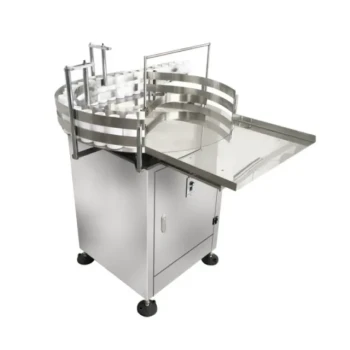
You cannot safely uncap a frame while holding it in mid-air. You need a comb capper, which is a device designed to fit securely onto a standard five-gallon bucket or bottling pail.
This setup creates a designated "uncapping tub." The comb capper provides a bridge or rest where you can balance and stabilize the heavy honey frame.
Waste Management
As you slice off the wax cappings, they fall directly into the bucket below. This keeps your "honey house" floor clean and collects the beeswax, which is a valuable byproduct you can process later.
Tool Selection and Technique
Once your frame is stabilized on the comb capper, you utilize specific handheld tools to remove the wax. The choice of tool depends on your budget and the volume of honey you are processing.
Cutting Tools (Knives)
The most common method involves slicing the wax layer off the top of the cells.
- Electric Uncapping Knives: These contain an internal heating element. The heat allows the blade to glide smoothly through the wax, similar to a hot knife through butter. This minimizes damage to the cell walls.
- Cold Uncapping Knives: These are sharp, serrated blades used without electricity. To mimic the effect of an electric knife, you should dip the blade into very hot water periodically to help it melt through the wax friction-free.
Perforating Tools
Instead of slicing, some tools pierce the caps.
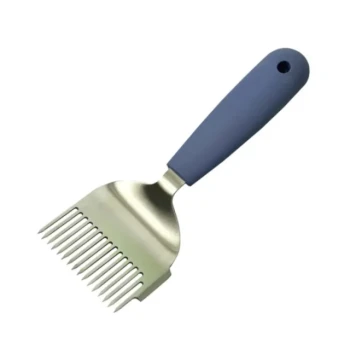
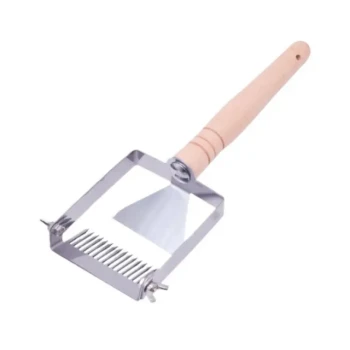
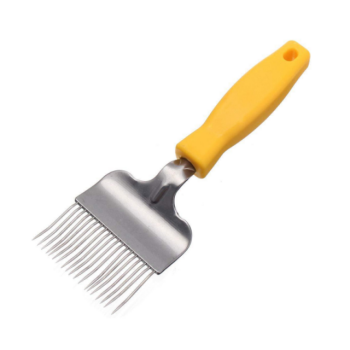
- Rollers and Scratchers: These tools have tines or spikes. You roll or scratch them over the surface to puncture the wax seals.
- Slicers: These shave the caps off but may operate differently than a traditional long blade.
Pre-Extraction Inspection
Before using any tool, ensure the honey is ripe. Look for frames that are at least 75% capped with wax. This indicates the bees have reduced the moisture content to a stable level, preventing fermentation.
Understanding the Trade-offs
While all these tools achieve the same basic goal, they come with operational differences you must consider.
Heat vs. Precision
Electric knives are faster and require less physical force, making them ideal for larger harvests. However, they can darken the honey slightly if the blade gets too hot or moves too slowly.
Cold knives prevent heat damage but require more physical effort. If the knife is not kept hot via water dipping, it may tear the comb rather than slice it, creating more work for the bees later.
Slicing vs. Scratching
Slicing (using knives) is generally the standard for centrifugal extraction because it fully opens the cell.
Scratching (using a fork or roller) is excellent for uneven comb surfaces where a straight knife cannot reach, but it can sometimes leave jagged edges or debris that slow down the flow of honey during spinning.
Making the Right Choice for Your Goal
Select your tooling based on the volume of your harvest and your available resources.
- If your primary focus is efficiency and volume: Use an electric uncapping knife combined with a sturdy comb capper; the heat speeds up the workflow significantly.
- If your primary focus is budget or small-scale hobbyist beekeeping: Use a cold knife and keep a pot of hot water nearby, utilizing a scratcher only for the low spots the knife misses.
- If your primary focus is preserving every bit of comb structure: Use a scratcher or roller carefully to minimize the depth of the cut, though be prepared for a longer spin time in the extractor.
By matching the right tool to a stabilized setup, you ensure clean honey extraction and reusable frames for your hive.
Summary Table:
| Tool Type | Mechanism | Best Use Case | Key Advantage |
|---|---|---|---|
| Electric Knife | Heated Slicing | Large harvests & high volume | Glides through wax; saves time |
| Cold Knife | Manual Slicing | Hobbyists & small-scale | Budget-friendly; no heat damage |
| Scratcher/Fork | Perforation | Uneven comb surfaces | Reaches low spots missed by knives |
| Comb Capper | Stabilization | Essential support for all tools | Safety and efficient waste collection |
Elevate Your Honey Production with HONESTBEE
Maximize your apiary's efficiency with professional-grade harvesting solutions. HONESTBEE specializes in supporting commercial apiaries and distributors with a complete range of beekeeping machinery—from advanced honey-filling machines to durable uncapping tools and hive-making hardware.
Whether you are scaling your extraction line or stocking high-quality consumables, our wholesale offerings provide the reliability your business demands.
Ready to streamline your harvest? Contact us today to explore our full spectrum of beekeeping equipment and industrial tools.
Related Products
- Professional Multi-Function Uncapping Fork with Ergonomic Rubber Grip
- Adjustable Stainless Steel Honey Uncapping Fork with Scraper for Beekeeping
- Wide Adjustable Stainless Steel Honey Uncapping Fork with Scraper
- All-Stainless Steel Pivoting Honey Uncapping Fork for Beekeeping
- Professional Honey Uncapping Roller for Efficient Harvesting
People Also Ask
- What is the primary use of an uncapping fork in beekeeping? A Guide to Precision Honey Harvesting
- What is the use of an uncapping fork? A Precision Tool for Hive Management and Honey Harvesting
- What is the original purpose of an uncapping fork? Mastering Precision Honey Extraction and Comb Preservation
- How is an uncapping fork used to uncap honey frames? Precision Techniques for Perfect Honey Extraction
- What is an uncapping fork? A Precision Tool for Efficient Honey Harvesting