Honey uncapping is the essential gateway step in the honey harvesting process, involving the removal of the thin wax layer that seals honeycomb cells. Before honey can be extracted—usually by spinning frames in a centrifuge—this wax seal must be physically breached. Without uncapping, the honey remains trapped inside the comb, making extraction impossible.
Uncapping serves a dual purpose: it grants the beekeeper access to the harvest while preserving the comb structure for the colony. By allowing bees to reuse empty cells rather than building new ones from scratch, you significantly conserve their energy for future production.
The Strategic Importance of Uncapping
Facilitating Efficient Extraction
The primary mechanical function of uncapping is to expose the liquid honey. Once the wax caps are removed, the frames can be placed in an extractor.
Centrifugal force then pulls the honey out of the open cells. If the caps are left intact, the honey will simply remain locked within the wax structure, regardless of how fast the extractor spins.
Conserving Colony Energy
Beyond harvesting, uncapping is vital for the long-term productivity of the hive. By carefully removing only the caps, you allow the bees to reuse the existing cells.
Building wax requires a tremendous amount of energy and food resources from the bees. When you return intact, empty combs to the hive, the bees can immediately begin refilling them rather than wasting time and calories constructing new foundations.
Methods and Tools
Manual Uncapping
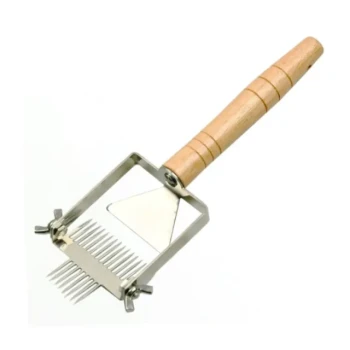
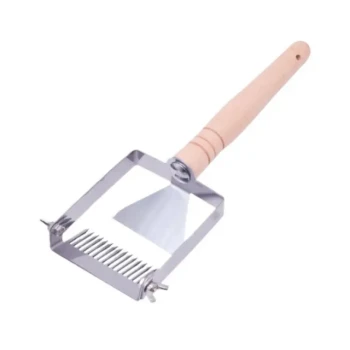
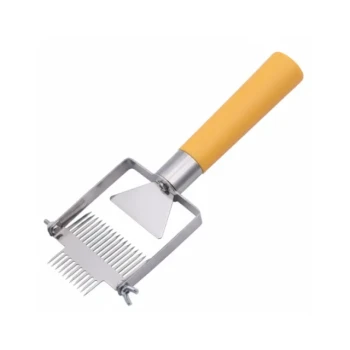
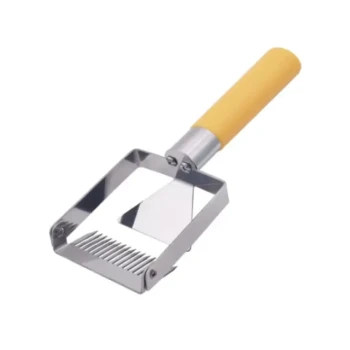
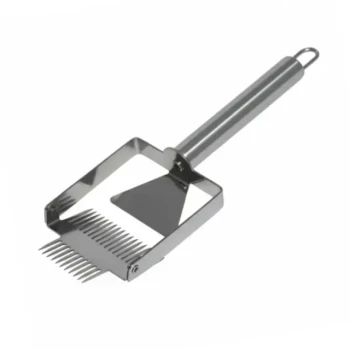
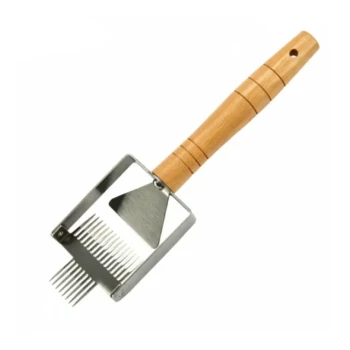
For smaller operations or precision work, beekeepers often use a capping scratcher or a hand knife.
A scratcher is particularly useful for opening low spots or uneven areas that larger tools might miss. However, relying solely on manual scratching is labor-intensive and tends to be messier than other methods.
Automated Processing
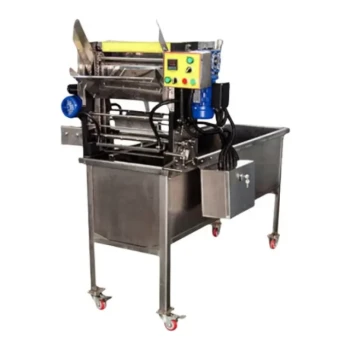
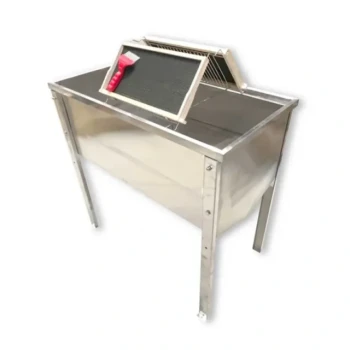
In professional or high-volume settings, an automatic honey uncapping machine is the standard. These machines replace manual labor to ensure high efficiency.
They provide a uniform cutting depth, which minimizes the amount of honey wasted with the removed wax. This equipment is essential for standardized, mechanized production where processing speed is critical.
Understanding the Trade-offs
Speed vs. Mess
Manual tools like scratchers are inexpensive and accessible but are time-consuming and often result in a sticky workspace.
Conversely, automatic machines offer speed and cleanliness but represent a significant capital investment. They are generally only viable for commercial scales where volume justifies the cost.
Depth of Cut
A critical trade-off involves how deep you cut into the comb.
Cutting too deep ensures all cells are open but removes more wax than necessary, forcing bees to rebuild the cell walls. Cutting too shallow preserves the comb but may miss low-lying capped cells, requiring follow-up work with a scratcher.
Optimizing Your Harvesting Strategy
Choosing the right approach depends heavily on the scale of your apiary and your long-term goals for the colony.
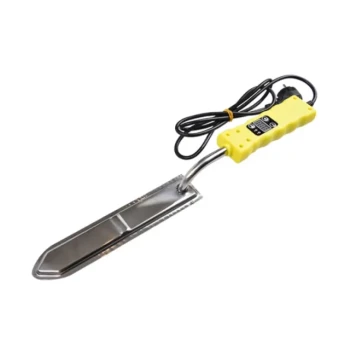
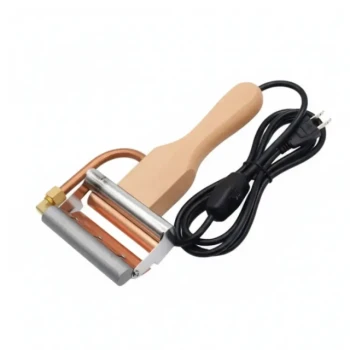
- If your primary focus is small-scale or hobby beekeeping: Rely on manual tools like a capping scratcher or electric knife to keep costs low and maintain control over individual frames.
- If your primary focus is commercial volume: Invest in an automatic uncapping machine to standardize cutting depth and maximize daily processing throughput.
- If your primary focus is colony efficiency: Prioritize methods that remove the cap cleanly without damaging the cell walls, ensuring the bees can immediately refill the comb.
Effective uncapping strikes a balance between accessing the harvest today and preserving the colony's resources for tomorrow.
Summary Table:
| Uncapping Method | Operation Scale | Key Benefit | Resource Impact |
|---|---|---|---|
| Manual Scratcher | Small-scale / Hobby | Low cost & precision | High labor, messy workspace |
| Uncapping Knife | Small to Medium | Faster than scratching | Requires heat & skill |
| Automatic Machine | Commercial Apiaries | High speed & consistency | Significant capital investment |
| Comb Preservation | All Scales | Rapid hive refilling | Conserves bee energy & wax |
Scale Your Honey Production with HONESTBEE
Are you ready to transition from labor-intensive manual work to high-efficiency commercial harvesting? HONESTBEE empowers commercial apiaries and distributors with a full spectrum of professional beekeeping solutions. From precision honey-filling machines to advanced automatic uncapping systems, we provide the machinery and essential consumables needed to maximize your throughput and protect your colony's resources.
Our value to you:
- Comprehensive Wholesale Catalog: Access everything from specialized hardware to hive-making machinery.
- Industry Expertise: We supply the tools that balance high-speed extraction with colony health.
- Global Distribution: Reliable support for distributors looking to expand their portfolio with honey-themed merchandise and professional equipment.
Take your apiary to the next level. Contact our team today to discuss wholesale solutions!
Related Products
- Professional Honey Uncapping Roller for Efficient Harvesting
- Automatic Honey Frame Uncapper Machine for Beekeeping
- Professional Electric Honey Uncapping Knife with Heated Digital Temperature Control for Beekeeping
- Adjustable Stainless Steel Honey Uncapping Fork with Scraper Beekeeping Tool
- Wide Adjustable Stainless Steel Honey Uncapping Fork with Scraper
People Also Ask
- What other tools are available for honey uncapping besides knives? Find the Right Tool for Your Apiary's Scale
- What are the methods of uncapping honey? A Guide to Tools for Efficient Harvests
- What tools are available for uncapping honey? A Guide to Choosing the Right Tool for Your Operation
- What tools can be used to uncap honey cells? Expert Guide to Efficient Honey Extraction Equipment
- What are the essential tools for uncapping honey frames? Choose the Right Tool for Your Apiary