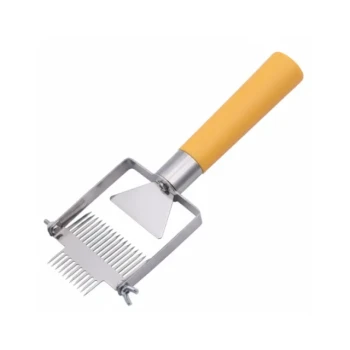
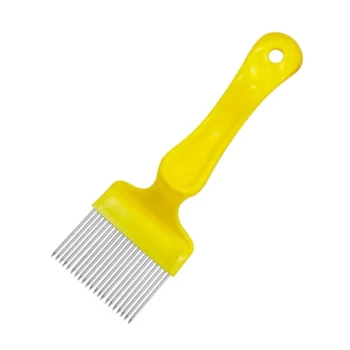
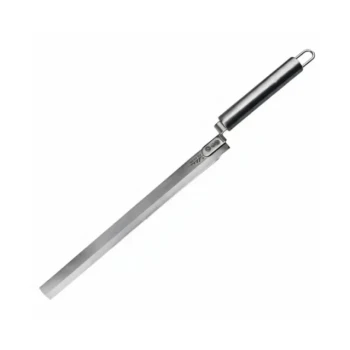
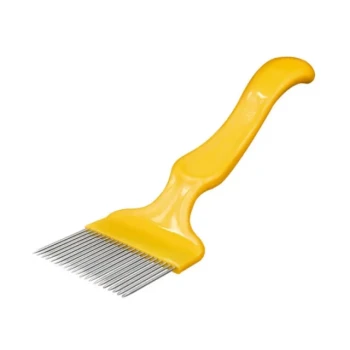
The definitive method for determining harvest readiness is visual inspection of the wax capping on the honeycomb. You must examine the frames to ensure the bees have sealed the cells with a layer of wax, which serves as the biological signal that the honey is fully processed and ready for long-term storage.
Core Takeaway Honey is considered "ripe" and safe for extraction when the bees have reduced its moisture content to below 18%. To prevent spoilage, you should generally wait until at least 80% of the frame is capped with wax, though 100% capping is the ideal standard for maximum quality.
The Visual Standard: Wax Capping
The Capping Indicator
The primary signal for a beekeeper is the state of the honeycomb cells in the supers. When bees have finished processing nectar into honey, they seal the cell with a distinct layer of wax.
The 80% Threshold
While a frame that is 100% capped is perfect, practical experience dictates that a frame is harvestable once it is at least 80% capped.
If significant portions of the frame remain uncapped (open cells), the honey is likely still in the nectar phase. Harvesting below this 80% threshold carries significant risks regarding the quality and stability of your product.
The Science Behind the Seal
Moisture Content and Stability
Bees only cap the honey once the water content has dropped below 18%. This dehydration process is critical because it transforms volatile nectar into stable honey.
The Risk of Fermentation
If you harvest frames that are not sufficiently capped, you are extracting honey with high water content. Excess moisture allows yeast to thrive, which causes the honey to ferment and spoil.
By waiting for the wax cap, you are essentially letting the bees perform quality control for you. This ensures the extracted product will remain shelf-stable without souring over time.
Common Pitfalls to Avoid
The First-Year Trap
New beekeepers often feel pressured to harvest during their first season. However, you generally should not harvest honey in the first year.
A new colony needs its entire store of honey to survive its first winter. Harvesting too early in the colony's life cycle can deplete their food source and lead to colony collapse during cold months.
Over-Harvesting
Even in established hives, there is a trade-off between maximizing your yield and ensuring colony survival. The goal is to collect the surplus, not the essentials.
Beekeepers typically harvest in late summer (August or September). Always ensure you leave enough capped frames behind to nourish the bees through the winter when forage is sparse.
Making the Right Choice for Your Goal
To ensure you are harvesting responsibly and successfully, apply the following guidelines based on your specific situation:
- If your primary focus is maximum shelf-life: Wait until the frames are close to 100% capped to guarantee the lowest possible moisture content.
- If your primary focus is general production: Proceed with extraction once the frames are 80% capped, as this is the standard safety threshold for ripe honey.
- If your primary focus is colony longevity: Inspect the hive to ensure ample capped frames remain after your harvest to support the bees through winter.
- If your primary focus is a new hive: Defer all harvesting until the second full year to prioritize the colony's winter survival.
Trust the bees; when they seal the comb, they are telling you the work is done.
Summary Table:
| Harvest Readiness Factor | Threshold/Standard | Importance/Risk |
|---|---|---|
| Wax Capping Percentage | 80% to 100% | Prevents high moisture and spoilage |
| Moisture Content | Below 18% | Ensures shelf stability and prevents yeast growth |
| Timing (General) | Late Summer (Aug/Sept) | Balances yield with colony winter survival |
| Colony Age | 2nd Year + | 1st-year hives need stores for winter survival |
Maximize Your Harvest Efficiency with HONESTBEE
At HONESTBEE, we understand that precision in harvesting is the difference between premium honey and a lost batch. Whether you are a commercial apiary or a distributor, we provide the full spectrum of professional tools needed to process your ripe honey frames. From high-capacity honey-filling machines to durable hive-making equipment, our comprehensive wholesale offering ensures your operations are seamless.
Our value to you:
- Industrial Grade: Heavy-duty machinery designed for large-scale extraction.
- Total Solutions: We supply everything from hardware to honey-themed cultural merchandise.
- Expert Support: Specialized consumables to maintain hive health and product quality.
Ready to scale your beekeeping business? Contact HONESTBEE today to access premium beekeeping tools and machinery at wholesale prices!
Related Products
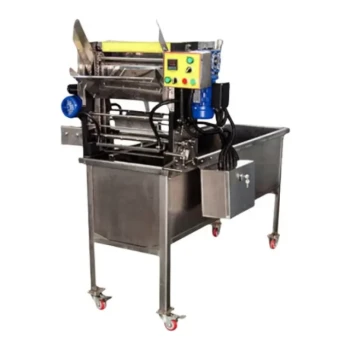
- Automatic Honey Frame Uncapper Machine for Beekeeping
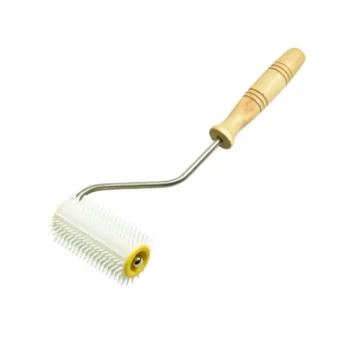
- Professional Honey Uncapping Roller for Efficient Harvesting
- Honey Wax Separating Wax Press with Metal Screw Wax Separator Machine
- Lightweight Plastic Uncapping Roller with Tines
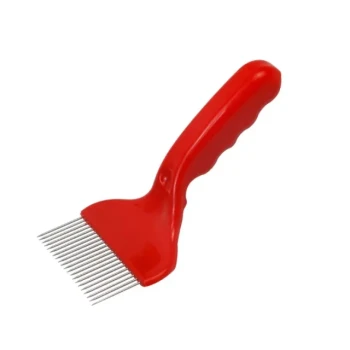
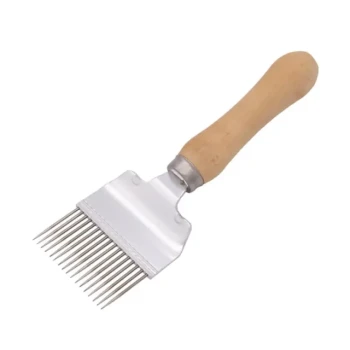
- Professional Wide Head Honey Uncapping Fork for Beekeeping
People Also Ask
- What is the primary goal when choosing an uncapping method? Maximize Honey Yield & Comb Integrity
- What is the process of uncapping frames in beekeeping? Master the Best Methods for Maximum Honey Yield
- How are honey frames prepared before extraction? Master the Hive-to-Honey-House Process
- What is the process of uncapping honey frames before extraction? Expert Guide to Efficient Honey Harvesting
- What specialized tools are used to uncap honey frames prior to extraction? Top Uncapping Tools for Efficient Harvesting