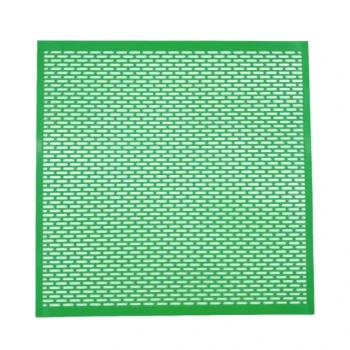
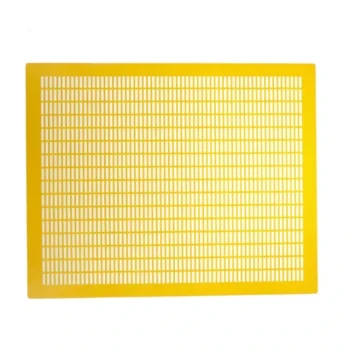
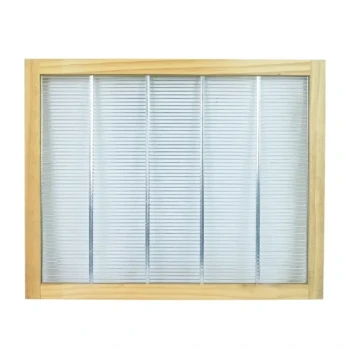
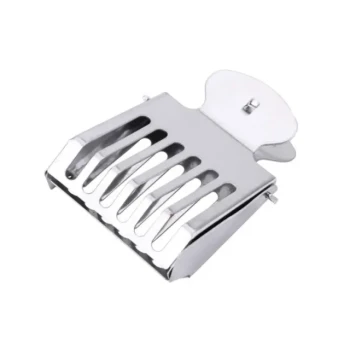
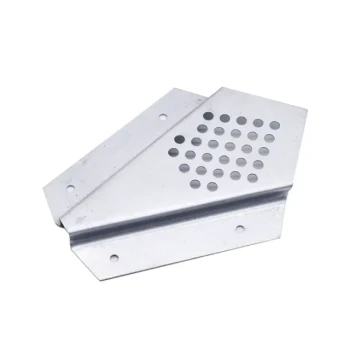
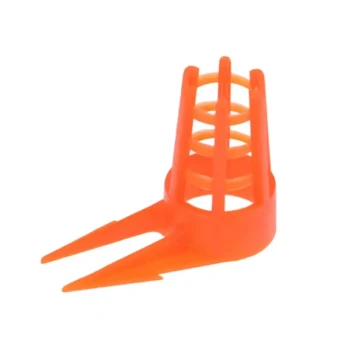
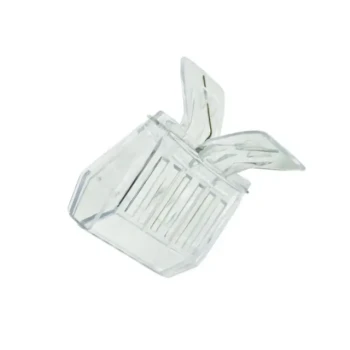
A queen excluder acts as a lethal barrier for drone bees if they are trapped on the wrong side of the device. Because drones are physically larger than the gaps in the excluder grid, they cannot pass through; if a drone is caught above the excluder, it will become stuck and die while attempting to exit the hive.
Core Takeaway Queen excluders function on strict size differentiation, allowing smaller worker bees to pass while blocking larger castes. Since drones are larger than queen bees, they are completely unable to navigate the grid, leading to fatal entrapment if they cannot access an alternative exit.
The Mechanics of Exclusion
Size Differentiation
The fundamental mechanism of a queen excluder is the specific width of its gaps, which typically measure between 4.1 and 4.4 millimeters.
This precise spacing is designed to allow the smaller bodies of worker bees to move freely between boxes.
However, this gap is too narrow for larger bees. While the primary intent is to block the queen, the male drone bees are even larger than the queen and are physically incapable of fitting through.
The "One-Way" Danger
The danger to drones is almost exclusively related to being trapped above the excluder.
If drones are located in the lower brood chamber (below the excluder), they are unaffected because they can exit through the main hive entrance.
However, if a drone is trapped in the honey supers above the excluder, it cannot move downward to leave the hive.
Fatal Entrapment
When a drone trapped above the excluder attempts to leave the hive (for mating flights or cleansing), it will instinctively try to push through the grid.
Because it cannot fit, the drone will eventually get stuck or exhaust itself pressing against the metal or plastic bars.
Unable to bypass the barrier to feed or defecate outside, the drone will eventually die on top of the excluder.
Understanding the Trade-offs
Congestion and Wing Damage
While the excluder is essential for keeping the queen out of honey supers or Doolittle frames during queen rearing, it creates a bottleneck.
Forcing bees to squeeze through these wires can cause congestion, slowing down the movement of nectar and pollen.
There is also a risk of wing damage to the bees as they repeatedly force their bodies through the narrow 4.1 mm gaps.
Managing Drone Populations
If you are rearing queens or manipulating frames, you must be vigilant about where drones are located before placing the excluder.
Accidentally shutting drones into the upper boxes creates a layer of dead bees that the workers must eventually remove, which is an unnecessary stress on the colony.
Strategies for Mitigation
The Upper Entrance Solution
To mitigate the risk of drone death and reduce congestion, you can provide an upper entrance above the queen excluder.
This creates a direct flight path into the honey supers.
With an upper entrance, drones trapped above the excluder can fly out freely, and foraging workers can bypass the excluder entirely, preserving their wings and energy.
Making the Right Choice for Your Goal
To ensure you use a queen excluder without harming your drone population, consider your specific management objectives:
- If your primary focus is Honey Production: Ensure you shake all bees off frames before moving them above the excluder to prevent trapping drones in the supers.
- If your primary focus is Hive Health and Efficiency: Install an upper entrance notch above the excluder to allow trapped drones to escape and to reduce traffic congestion for workers.
Proper management of the excluder ensures the queen stays put without turning your honey supers into a trap for drones.
Summary Table:
| Impact Factor | Effect on Drone Bees | Management Solution |
|---|---|---|
| Physical Size | Drones are too large for the 4.1-4.4mm gaps | Shake bees off frames before adding excluders |
| Hive Location | Trapping above the excluder prevents exit | Provide an upper entrance notch |
| Mobility | Results in exhaustion, wing damage, or death | Monitor drone populations in upper supers |
| Hive Hygiene | Dead drones create extra work for worker bees | Ensure clear flight paths for all castes |
Optimize Your Apiary with HONESTBEE Professional Equipment
Proper hive management starts with precision-engineered tools. At HONESTBEE, we specialize in supporting commercial apiaries and distributors by providing a comprehensive wholesale range of beekeeping essentials. From high-quality queen excluders and specialized hardware to advanced honey-filling machines and hive-making machinery, our portfolio is designed to enhance your operational efficiency and hive health.
Whether you are scaling a commercial honey operation or stocking essential industry consumables, our team is dedicated to delivering the durable equipment you need to succeed.
Ready to elevate your beekeeping business? Contact us today to explore our full spectrum of tools and cultural merchandise tailored for industry professionals.
Related Products
- High Performance Plastic Queen Excluder for Beekeeping and Apiary Management
- Professional Plastic Queen Excluder for Modern Beekeeping
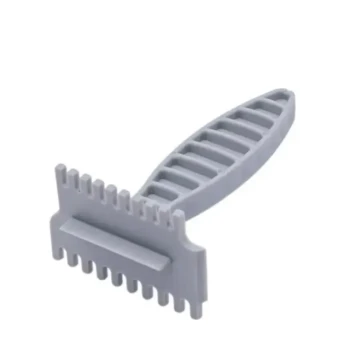
- Lightweight Durable Plastic Queen Excluder Scraper for Beekeeping
- Metal Queen Bee Excluder for Beekeeping
- Premium Wood Framed Metal Wire Queen Bee Excluder
People Also Ask
- What are the characteristics of a plastic queen excluder? Key Benefits for Cost-Effective Beekeeping
- What are the operational and cost advantages of using plastic queen excluders over metal or wire excluders in commercial hive management? Discover how they reduce labor, prevent wing damage, and lower total costs.
- What types of queen excluders are available for beekeepers? Choose the Right Tool for Your Hive
- Why are standardized hive frames and queen excluders essential for maintaining honey purity and quality? Scale Your Purity
- Do plastic queen excluders work? A Cost-Effective Solution for Modern Apiaries