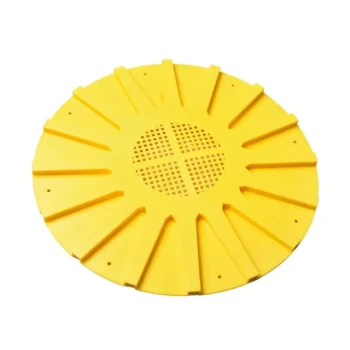
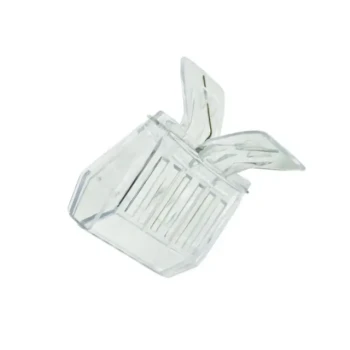
A queen excluder acts as a definitive filter, simplifying the search for a queen by physically restricting her to specific sections of the hive. By preventing the queen from wandering into honey supers or upper boxes, you immediately eliminate vast portions of the hive from your search area, allowing you to focus only on the brood chambers where she is contained.
The excluder is not just a barrier for honey production; it is a diagnostic tool. By temporarily installing it a week prior to inspection, you can use the location of fresh eggs to mathematically narrow your search to a single section of the hive.
The Mechanics of Isolation
Leveraging Physiological Differences
The utility of a queen excluder relies on the specific size disparity between bee castes. The thorax of a queen bee is significantly larger than that of a worker bee.
Precision Engineering
Excluders are manufactured with grid gaps typically measuring between 4.1 and 4.4 millimeters. This precise tolerance allows smaller worker bees to pass through to tend to honey or larvae in other boxes.
However, the gap is too narrow for the queen to navigate. This creates an impassable boundary, ensuring she remains in the lower brood boxes.
The "Temporary Barrier" Strategy
Reducing the Search Field
For beekeepers managing large colonies, finding a queen can feel impossible. The primary reference highlights a specific strategy: using the excluder temporarily to facilitate requeening or inspections.
The One-Week Protocol
To utilize this method, place a queen excluder between hive boxes one week before you intend to find the queen. This splits the hive into two distinct zones.
Identifying the Active Zone
After the week has passed, open the hive and inspect the frames for fresh brood (eggs and young larvae). Because the queen has been unable to cross the barrier, fresh brood will only exist in the section she is currently occupying.
Targeted Inspection
Once you identify the section with fresh brood, you know the queen is there. You can completely ignore the other half of the hive, effectively halving the time and effort required to locate her.
Application in Queen Rearing
Spatial Obstruction
In queen rearing scenarios, finding the queen is secondary to controlling her destruction instincts. The excluder keeps the laying queen away from developing queen cells in upper chambers.
The Physiological Illusion
By separating the queen from the upper rearing chambers, the excluder helps create a "queenless" state in that specific area. This stimulates nurse bees to care for new queen cells while the original queen continues to lay in the isolated lower chamber.
Understanding the Trade-offs
Drone Entrapment
It is critical to remember that drones (male bees) are also larger than workers. They cannot pass through the excluder.
If an excluder is placed above a box containing drones without an upper exit, they may become trapped and die, potentially causing sanitation issues within the hive.
Natural Alternatives
While the excluder is effective, it is not the only way to restrict a queen. Natural barriers, such as a "honey barrier" of full frames or proper timing of super additions, can sometimes confine a queen without metal or plastic grids.
Making the Right Choice for Your Goal
To use a queen excluder effectively as a search aid, consider your immediate objective:
- If your primary focus is finding the queen for requeening: Install the excluder one week early to isolate the queen based on the presence of fresh eggs, ignoring the half of the hive without them.
- If your primary focus is queen rearing: Use the excluder to permanently separate the queen from the cell-building colonies, protecting the new cells from being destroyed.
- If your primary focus is honey purity: Leave the excluder in place to ensure the queen does not lay eggs in the honey supers, keeping the harvest clean.
By using the excluder as a strategic filter rather than just a static barrier, you transform a chaotic search into a logical process of elimination.
Summary Table:
| Feature | Specification/Detail | Benefit for Beekeepers |
|---|---|---|
| Grid Gap Size | 4.1mm - 4.4mm | Allows workers to pass while restricting the larger queen. |
| Search Area | Reduced to Brood Chamber | Eliminates the need to search through honey supers. |
| The 7-Day Strategy | Isolate & check for fresh eggs | Mathematically narrows the queen's location to a single box. |
| Queen Rearing | Spatial Obstruction | Protects new queen cells while maintaining the colony's laying queen. |
| Drone Management | Larger thorax restriction | Requires upper exits to prevent drone entrapment. |
Maximize Your Apiary Efficiency with HONESTBEE
At HONESTBEE, we understand that for commercial apiaries and distributors, time is a critical asset. Our professional-grade queen excluders and hive-making machinery are engineered for the precision required to streamline your operations—from simplifying queen searches to ensuring honey purity.
Whether you are looking for high-quality beekeeping tools, honey-filling machines, or essential industry consumables, we provide a comprehensive wholesale offering tailored to your business needs.
Ready to scale your production and optimize your hive management?
Contact us today to explore our full spectrum of beekeeping equipment!
Related Products
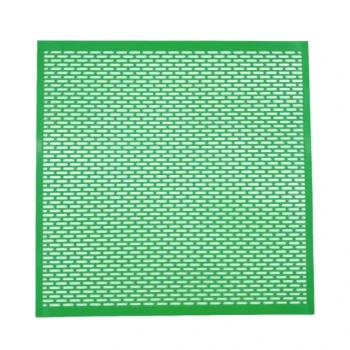
- High Performance Plastic Queen Excluder for Beekeeping and Apiary Management
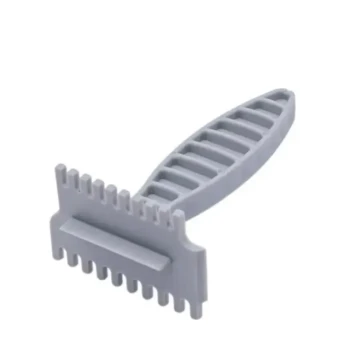
- Lightweight Durable Plastic Queen Excluder Scraper for Beekeeping
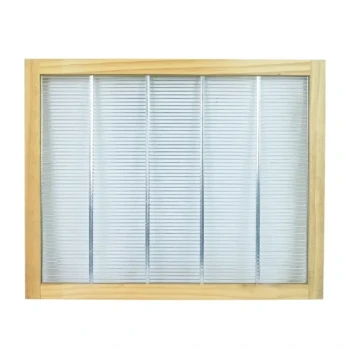
- Premium Wood Framed Metal Wire Queen Bee Excluder
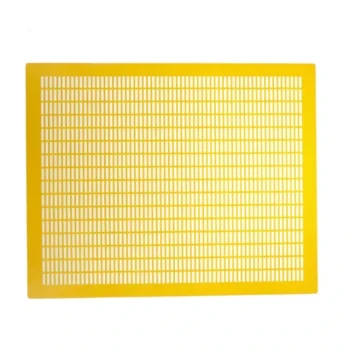
- Professional Plastic Queen Excluder for Modern Beekeeping
- Metal Queen Bee Excluder for Beekeeping
People Also Ask
- What are the characteristics of a plastic queen excluder? Key Benefits for Cost-Effective Beekeeping
- What are the operational and cost advantages of using plastic queen excluders over metal or wire excluders in commercial hive management? Discover how they reduce labor, prevent wing damage, and lower total costs.
- What types of queen excluders are available for beekeepers? Choose the Right Tool for Your Hive
- Why are standardized hive frames and queen excluders essential for maintaining honey purity and quality? Scale Your Purity
- Do plastic queen excluders work? A Cost-Effective Solution for Modern Apiaries