A queen excluder acts as a definitive biological throttle for a colony by physically confining the queen to specific brood chambers. By strictly limiting the space available for egg-laying, you place a hard cap on the colony's population growth, which directly reduces the number of worker bees available for hive defense.
By restricting the queen’s movement, you prevent the colony from prioritizing excessive reproduction over resource storage. This is a critical control mechanism for managing genetics that favor massive brood rearing, ensuring the hive remains at a safe, workable size while mitigating aggressive defensive behaviors.
The Mechanics of Population Control
Physical Isolation of the Queen
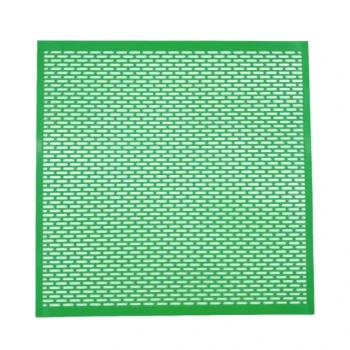
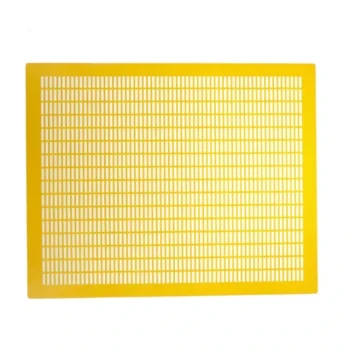
Queen excluders utilize precise grid dimensions that allow smaller worker bees to pass through while blocking the larger queen.
This keeps the queen confined to the lower brood chambers. She is physically unable to enter the upper supers, which prevents her from expanding the brood nest into areas intended for honey storage.
Capping the Brood Cycle
The size of a colony is directly determined by the amount of comb available for egg-laying.
By using an excluder to limit the queen's access to a specific number of frames, you restrict the total volume of brood the colony can produce. This prevents the exponential population spikes that occur when a queen is allowed to roam freely and lay eggs in every available box.
The Link Between Brood and Defensiveness
The Defense-Reproduction Correlation
There is a direct biological link between the amount of brood in a hive and the colony's defensiveness.
Colonies with large amounts of developing larvae (brood) instinctively produce more worker bees to feed and protect that investment. Consequently, a colony with a massive brood nest will display increased defensiveness and aggression toward intruders.
Reducing the Guard Force
By limiting brood production, you automatically limit the adult population.
A smaller population results in a manageable number of guard bees. This makes the colony significantly less aggressive during inspections and reduces the likelihood of dangerous defensive escalations.
Managing Aggressive Genetics
Controlling Africanized Traits
This management technique is particularly effective in zones with Africanized genetics.
Bees with these traits act on a biological imperative to prioritize brood production over honey storage. Without intervention, they will convert every available resource into more bees, resulting in massive, hyper-defensive colonies that are dangerous to manage.
Forcing a Shift to Storage
The excluder acts as a behavioral override.
Because the queen cannot move up to lay more eggs, the worker bees are forced to shift their priority from rearing brood to storing honey in the upper supers. This keeps the colony focus balanced and prevents the hive from becoming an unmanageable "brood factory."
Important Considerations and Trade-offs
Balancing Growth vs. Manageability
While limiting space reduces defensiveness, it also places a ceiling on the colony's maximum biological growth.
You are effectively trading "maximum possible population" for stability and safety. For beekeepers in regions with aggressive genetics, this is a necessary trade-off to ensure the hive remains workable.
Implications for Monitoring
Using an excluder creates a clear separation between brood and food.
This physical isolation ensures that brood development—and associated pests like mites—is confined to the lower boxes. This facilitates standardized monitoring, as you know exactly where the brood (and mite reproduction) is occurring, preventing experimental errors caused by a mixed nest.
Making the Right Choice for Your Goal
To apply this to your apiary management, consider your primary objective:
- If your primary focus is safety and control: Use the excluder to restrict the queen to one or two deep boxes, preventing the population specifically in aggressive colonies from reaching dangerous levels.
- If your primary focus is honey production in Africanized zones: Employ the excluder to force the colony to stop excessive brood rearing and redirect their energy into filling supers with nectar.
A queen excluder is not just a honey harvesting tool; it is a critical governor for colony behavior that converts a potentially dangerous, over-populated hive into a stable, productive unit.
Summary Table:
| Management Feature | Mechanism | Impact on Colony |
|---|---|---|
| Population Capping | Limits egg-laying space in brood chambers | Prevents exponential population spikes |
| Defensiveness Control | Reduces volume of larvae/brood | Fewer guard bees and lower aggression levels |
| Resource Redirection | Blocks queen from upper honey supers | Forces shift from brood rearing to honey storage |
| Genetic Management | Overrides Africanized traits | Stabilizes hyper-defensive or "brood factory" hives |
Maximize Your Apiary’s Productivity and Safety with HONESTBEE
Effective colony management requires the right tools. At HONESTBEE, we specialize in supporting commercial apiaries and distributors with a comprehensive range of high-quality beekeeping equipment. From precision-engineered queen excluders and specialized hive-making hardware to advanced honey-filling machines and industry consumables, we provide everything you need to scale your operations safely.
Whether you are managing aggressive genetics or looking to optimize honey yields, our wholesale portfolio is designed to meet the rigorous demands of professional beekeeping. Contact us today to explore our full spectrum of tools and machinery and see how HONESTBEE can bring value to your business.
Related Products
- High Performance Plastic Queen Excluder for Beekeeping and Apiary Management
- Professional Plastic Queen Excluder for Modern Beekeeping
- Lightweight Durable Plastic Queen Excluder Scraper for Beekeeping
- Metal Queen Bee Excluder for Beekeeping
- Premium Wood Framed Metal Wire Queen Bee Excluder
People Also Ask
- What are the characteristics of a plastic queen excluder? Key Benefits for Cost-Effective Beekeeping
- What are the operational and cost advantages of using plastic queen excluders over metal or wire excluders in commercial hive management? Discover how they reduce labor, prevent wing damage, and lower total costs.
- What types of queen excluders are available for beekeepers? Choose the Right Tool for Your Hive
- Why are standardized hive frames and queen excluders essential for maintaining honey purity and quality? Scale Your Purity
- Do plastic queen excluders work? A Cost-Effective Solution for Modern Apiaries