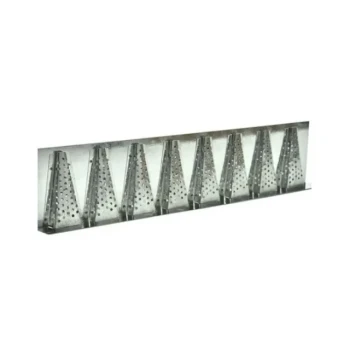
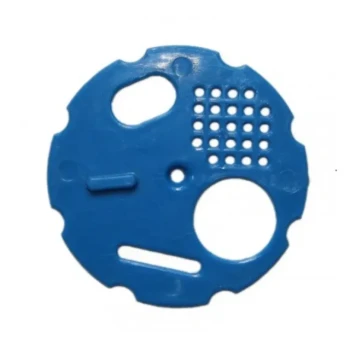
To prevent robbing behavior during honeybee colony strength assessments, specifically in resource-poor seasons, beekeepers utilize field bee tents and physical entrance reducers. These tools act as physical barriers that isolate the colony being inspected, preventing neighboring bees from detecting exposed resources and initiating a robbing frenzy.
Robbing allows stronger colonies to overpower weaker ones during nectar dearths, leading to resource loss and potential colony death. By employing physical isolation tools like tents and reducers, you can create a controlled environment that permits necessary inspections without triggering aggressive competition between hives.
Essential Equipment for Isolation
To safely open hives when nectar is scarce, you must rely on equipment that physically separates the colony from the rest of the apiary.
The Field Bee Tent
This is the most comprehensive tool for conducting extended assessments. A field bee tent is a portable, screened enclosure large enough to fit over the entire hive and the beekeeper.
It allows you to open the hive completely while keeping "robber" bees from neighboring colonies out. The screen mesh contains the colony's scent to a localized area, preventing it from wafting through the apiary and attracting foragers.
Physical Entrance Reducers
While the tent protects the open top of the hive, entrance reducers protect the front door. These are wooden or plastic inserts that significantly narrow the hive's entrance.
By reducing the size of the entry point, you aid the guard bees of the colony being inspected. A smaller opening is easier for a colony to defend against intruders, maintaining stability even while you are manipulating frames.
Operational Strategy and Timing
The primary reference indicates that these tools are critical for enabling assessments during specific high-risk windows.
Managing High-Risk Periods
Assessments are often necessary during early morning or evening hours. However, these times can be risky because the lack of major nectar flow makes bees more prone to opportunistic feeding (robbing).
Using a tent and reducers allows you to work during these times. They neutralize the threat of mutual interference, ensuring that opening a hive does not signal a "free meal" to the rest of the apiary.
Understanding the Trade-offs
While these tools are effective, they introduce specific logistical challenges that you must manage.
Efficiency vs. Safety
Using a field bee tent significantly slows down the inspection process. You must move the tent from hive to hive, which increases physical labor and time spent per colony.
Heat and Visibility
Working inside a screened tent can be stifling, particularly in warm weather. Additionally, the mesh can slightly obscure your vision, making it harder to spot eggs or queens compared to working in open sunlight.
Traffic Congestion
Entrance reducers, while great for defense, can cause congestion if the colony is very populous. You must balance the need for security against the need for the colony to forage and ventilate efficiently.
Making the Right Choice for Your Goal
To apply this to your apiary management, select the tool that matches the intensity of your inspection.
- If your primary focus is quick, non-invasive checks: Rely on entrance reducers to bolster colony defense without the logistical burden of a tent.
- If your primary focus is deep, extended frame inspection: You must use a field bee tent to completely isolate the hive and prevent scent dispersal.
By mechanically isolating the colony, you convert a high-risk inspection into a secure, controlled procedure.
Summary Table:
| Equipment | Primary Function | Best Use Case | Key Benefit |
|---|---|---|---|
| Field Bee Tent | Complete physical isolation | Extended deep frame inspections | Prevents scent dispersal and keeps robbers out |
| Entrance Reducer | Narrows hive entry point | Quick checks and daily defense | Helps guard bees defend against intruders |
| Screen Mesh | Visual and physical barrier | Within tent structures | Maintains ventilation while blocking bee passage |
Secure Your Apiary Productivity with HONESTBEE
Don't let robbing behavior jeopardize your colony strength assessments. HONESTBEE provides professional-grade beekeeping tools and machinery designed for commercial apiaries and distributors. Whether you need specialized hardware like hive-making and honey-filling machines or essential consumables and isolation equipment, we deliver high-quality solutions to safeguard your operations.
Ready to scale your wholesale beekeeping supply? Contact us today to explore our comprehensive portfolio and see how our expertise in beekeeping equipment can add value to your business.
References
- Benjamin Dainat, Jean‐Daniel Charrière. A scientific note on the ‘Liebefeld Method’ to estimate honey bee colony strength: its history, use, and translation. DOI: 10.1007/s13592-019-00728-2
This article is also based on technical information from HonestBee Knowledge Base .
Related Products
- Beehive Entrance Reducer Guardian Metal Hive Entrance for Bees
- Steel Round Disc Entrance Reducer for Flexzion Bee Hive Nuc Box Gate
- Professional Hive Front Entrance Bee Feeder
- HONESTBEE Entrance Bee Feeder Professional Hive Nutrition Solution for Beekeeping
- White Plastic 0.5L Beekeeping Entrance Feeder for Bees
People Also Ask
- Why are entrance reducers used to counter hornet infestations? Protect Your Hive with Strategic Choke Points
- What is the purpose of an entrance reducer for a beehive? Strengthen Colony Defense and Prevent Robbery
- What are the proper guidelines for using hive entrance reducers? Master Temperature Control & Colony Defense
- Why is it critical to maintain a smaller entrance for a newly established bee hive? Boost Colony Growth and Security
- What is the physical mechanism behind the use of hive entrance reducers? Protect Your Bees from Vespa velutina