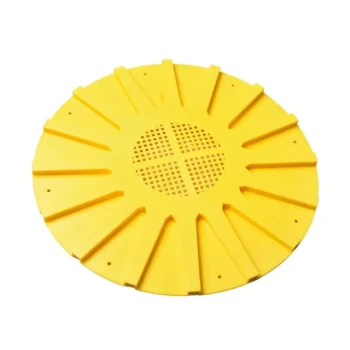
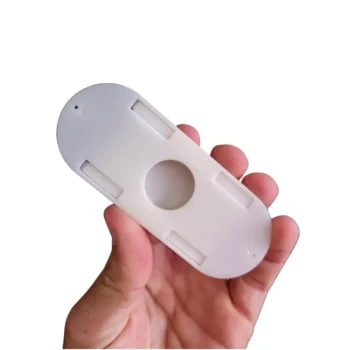
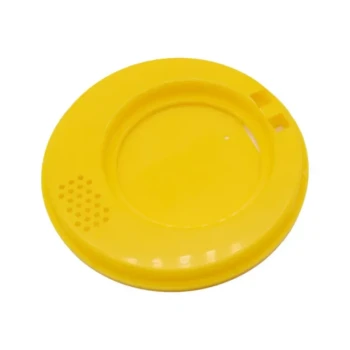
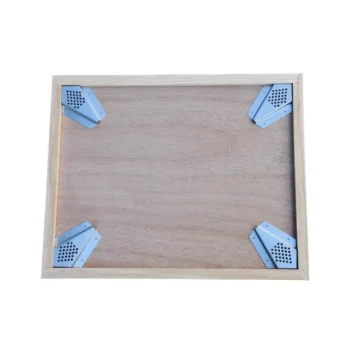
Bee-clearing agents and bee escapes are specialized tools designed to evacuate bees from honey supers prior to harvesting. Instead of removing bees from individual frames—which can be labor-intensive and agitating—these methods coax the colony to move down into the brood chamber voluntarily, leaving the honey frames clear for safe removal.
By utilizing the one-way mechanics of bee escapes or the repellent properties of clearing agents, beekeepers can physically separate the bees from the honey harvest. This significantly reduces stinging risks, maintains hygiene standards, and streamlines the workflow before frames enter the processing facility.
The Mechanics of Bee Escapes
Bee escapes rely on behavioral manipulation rather than chemicals or force. They function as a physical check-valve system.
The One-Way Passage Principle
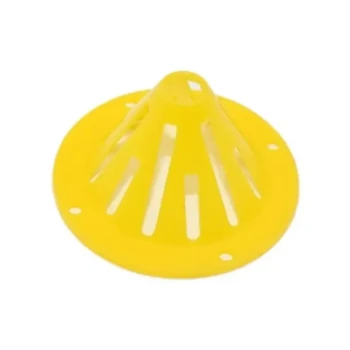
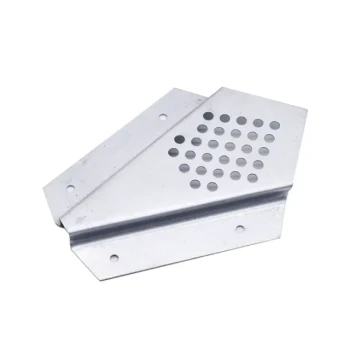
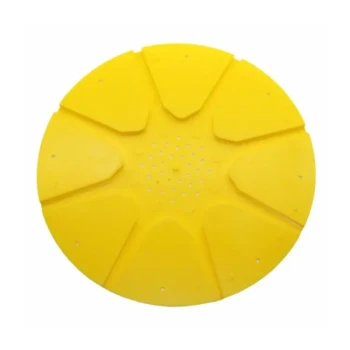
The core mechanism of a bee escape is a one-way passage. Bees can easily exit the honey super to move down toward the brood nest or queen, but the device physically prevents them from returning upwards.
The Bee Maze Board
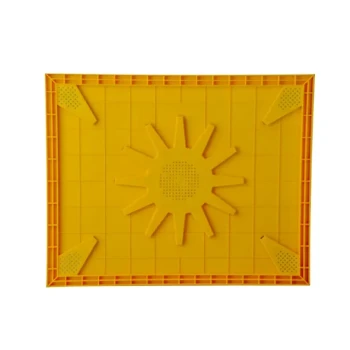
A common variation of this tool is the bee maze. This is a specialized board installed between the brood chamber and the honey super.
The design forces bees to navigate a labyrinth to leave the honey super. Because the path is complex and oriented downward, bees eventually exit but cannot navigate their way back in, effectively clearing the frames.
Passive Operation
Using an escape is a passive process. The beekeeper places the device and leaves it for a period (typically overnight). As the temperature drops, bees naturally cluster in the lower brood box to keep the brood warm, passing through the escape and becoming locked out of the honey super.
The Role of Bee-Clearing Agents
While escapes rely on physical barriers, clearing agents rely on sensory inputs.
Active Coaxing
Bee-clearing agents are substances used to coax honey bees out of the honey super. When applied—typically to a board placed on top of the hive—the scent drives the bees downward away from the honey.
Speed and Efficiency
Unlike escapes, which require time for the bees to move naturally, agents are designed to act relatively quickly. This makes them a useful tool when the beekeeper cannot wait for a passive clearing process or needs to harvest multiple hives in a single visit.
Understanding the Trade-offs
Choosing between these methods involves balancing speed against methodology.
Timing and Logistics
Bee escapes require two trips to the apiary: one to install the board and another to remove the honey. They are slower but extremely calm.
Bee-clearing agents allow for harvesting in a single trip. However, they introduce a foreign substance (the agent) into the apiary environment, which requires careful handling to ensure effectiveness.
Mechanical vs. Non-Contact
Escapes are mechanical and gentle. In contrast, supplementary commercial operations may use high-powered blowers for rapid, non-contact removal.
While blowers are efficient for large-scale operations, escapes and agents are often preferred for maintaining a calmer apiary environment, as they do not physically blast the bees with air.
Making the Right Choice for Your Goal
Selecting the correct tool depends on your operation size and your harvesting timeline.
- If your primary focus is a chemical-free, calm harvest: Use a bee escape or maze board to passively separate bees overnight, ensuring a docile colony during collection.
- If your primary focus is efficiency and speed: Use bee-clearing agents, which allow you to drive bees out and harvest the supers during a single apiary visit.
Effective clearing ensures that honey supers entering your processing facility are free of bees, protecting both the colony and the quality of your harvest.
Summary Table:
| Method | Primary Mechanism | Speed | Visit Requirement | Best For |
|---|---|---|---|---|
| Bee Escape / Maze | Physical One-Way Passage | Slow (Overnight) | Two Trips | Chemical-free, calm operations |
| Clearing Agents | Sensory Repellent | Fast | Single Trip | High-efficiency, rapid harvesting |
| Bee Blower | Forced Air Displacement | Immediate | Single Trip | Large-scale commercial operations |
Elevate Your Commercial Apiary with HONESTBEE Professional Equipment
Maximize your harvest efficiency and minimize colony stress with high-quality tools from HONESTBEE. As a premier partner for commercial apiaries and global distributors, we provide a complete spectrum of wholesale solutions tailored to your needs:
- Precision Machinery: From hive-making to honey-filling machines for seamless production.
- Specialized Hardware: A full range of durable beekeeping tools and hive components.
- Essential Consumables: Every industry-standard supply required for a healthy, productive apiary.
- Cultural Merchandise: Unique honey-themed products to expand your brand's reach.
Ready to scale your beekeeping operation with premium hardware and machinery? Contact HONESTBEE today to discuss our wholesale offerings and discover how our expertise can drive your business growth.
Related Products
- Slatted Porter Style Bee Escape for Rapid Hive Clearing
- Professional Cone Style Bee Escape for Efficient Honey Harvesting
- Heavy Duty Metal Corner Bee Escape for Reliable Hive Clearing
- High-Efficiency Diamond Maze Bee Escape for Clearing Supers
- Efficient Hive Clearing: HONESTBEE 8-Way Plastic Bee Escape
People Also Ask
- How do bee escape boards compare with solar fume boards when clearing bees from honey supers? Speed vs. Simplicity for Commercial Apiaries
- How do bee escape boards and fume boards assist in honey harvesting? Optimize Your Harvest with Low-Stress Tools
- How is a bee escape, or clearer board, used to harvest honey from a Langstroth hive? The Stress-Free Harvesting Guide
- What are the advantages of using a bee escape board? Ensure a Chemical-Free and Sting-Free Honey Harvest
- What happens to the bees when a bee escape board is used? A Gentle, Chemical-Free Harvest Method